
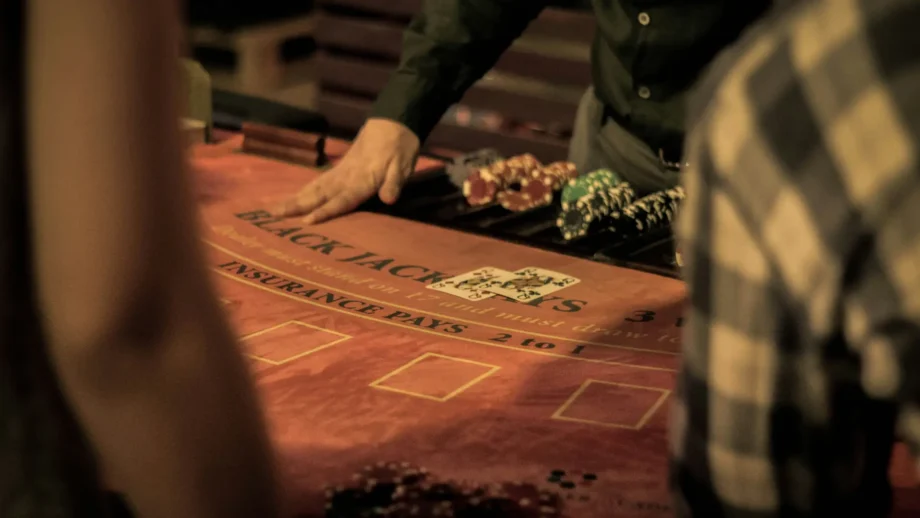
 How to pick up a casino game from scratch, and why it’s never too late to start
When registration closed on this summer’s World Series of Poker Main Event in Las Vegas, the board settled on 9,208 players, the fourth-largest field in the tournament’s 57-year history . A good number of them were British: 356 UK players made the trip, the third-largest national turnout after the United States and Canada. Not bad for a game most people assume is the preserve of sunglasses-wearing professionals who’ve been at it since their teens.
The more interesting story sits with the players who weren’t lifers. Take Desiree Rodriguez, who entered as Casinos.com’s 2026 poker ambassador and reached Day Two, outlasting most of the field. Two years ago, she’d never played a hand. She was a slots person, all lights and levers, until she started learning the tables from the ground up: months drilling on a training site, hours studying hands she didn’t understand at first, slowly building the nerve to sit down against people who do this for a living. On her first day, she looked up and realised Doug Polk, the pro who co-founded the very course she’d been grinding, was two seats away.
That’s the part worth holding onto if you’ve ever fancied learning a proper game as an adult and then talked yourself out of it. The barrier isn’t age, and it isn’t some secret aptitude. It’s the first few hands, when you don’t yet know what you’re doing and would rather not lose money finding out.
Which is where a low-cost introduction can help. Casinos.com, which followed Rodriguez’s run and provides a guide to no-deposit sign-up offers, explains the options available. Some offers allow adults to try selected casino games without making an initial deposit, although what is included varies. The line to read carefully is the wagering requirement: the number of times bonus funds or winnings must be played through before they can be withdrawn. Expiry dates, eligibility rules, game restrictions and maximum withdrawals matter too, so the headline offer rarely tells the whole story.
None of this is niche behaviour anymore. The Gambling Commission’s most recent survey found that 37% of British adults had gambled online in the past four weeks, a figure that’s held steady year on year. Most of that is the lottery and the odd football coupon rather than people methodically learning casino games. Rodriguez’s experience nevertheless shows that, for some players, the appeal lies in studying and improving rather than simply having a quick punt.
“Many people count themselves out of this game before they ever try,” said Rodriguez on Casinos.com. “They think it’s too late, too intimidating, too much of an insiders’ world.” It isn’t. Someone who started from zero two years ago just held her own two seats from Doug Polk. The gap between watching and playing is smaller than it looks.
The honest caveat applies to any game with money attached: the house edge is real, slots are random, and no amount of study changes the maths on a fruit machine. Poker differs because decisions and skill can influence results over time, which is exactly why it rewards the slow, unglamorous route Rodriguez took.
Learn the rules cold, practise where it’s cheap or free, and treat the budget as the price of the entertainment rather than a plan to get rich. Gambling is strictly for over-18s, and you should never stake more than you can comfortably afford to lose. If gambling stops feeling like entertainment, GambleAware offers free advice and support.
If the appeal is the game itself rather than the stake, you’re participating in a much older tradition than you might think. Our look at why board games still capture our hearts makes the case that the pull of a well-made game, the reading of an opponent, and the small daily improvement have almost nothing to do with what’s riding on it. Poker may be the version they play in Vegas, but the learning can begin at the kitchen table or in a free game, without putting meaningful money at risk.