
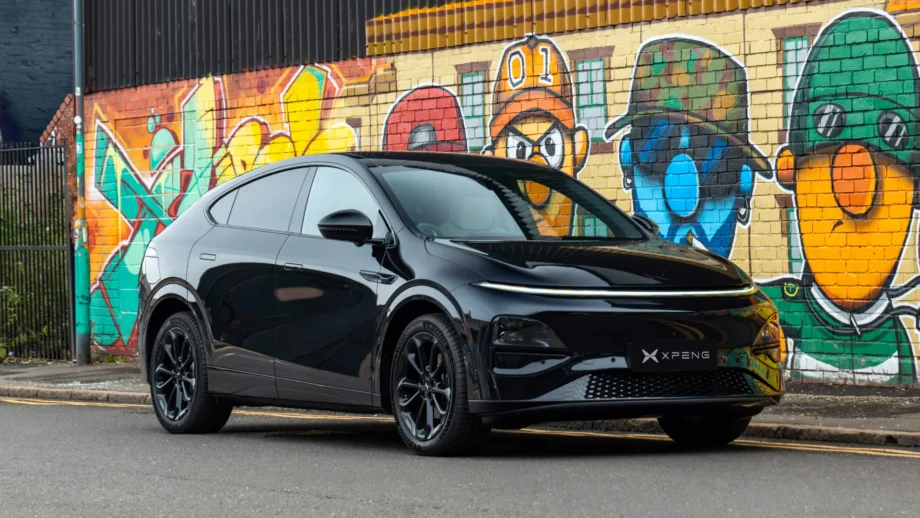
New car brands rarely arrive in the UK without baggage. In the electric era, especially, every newcomer is immediately framed against a familiar set of expectations, whether that’s Tesla’s technological supremacy or the increasingly polished offerings from Europe and Korea. The Xpeng G6 enters this landscape as both an unknown quantity and a quietly confident statement of intent.
Recently revised for European markets, the Xpeng G6 isn’t reinventing the EV, but it is improving one key area. Beneath its sleek, coupé-SUV profile sits an advanced 800-volt electrical architecture paired with lithium-iron-phosphate battery technology, a combination that allows Xpeng to quote charging speeds of up to 451kW. In theoretical terms, that figure is extraordinary, promising a 10–80% recharge in about as much time as it takes to drink a cappuccino.
For now, infrastructure places obvious limits on such capability. Chargers capable of delivering this level of power remain rare in the UK, meaning the G6’s remarkable charging potential serves more as reassurance than a daily advantage.
Interestingly, the company speaks as much about design philosophy as it does about hardware. Rafik Ferrag, head of creative design at Xpeng, describes the brand’s emerging identity as “art in one hand and technology in the other”, an attempt to balance rational engineering with emotional appeal. For a young manufacturer seeking recognition in a crowded global market, visual distinctiveness, he argues, is essential. “We aren’t just building cars,” he explains, “we are translating high-tech capabilities into forms that move people emotionally.”
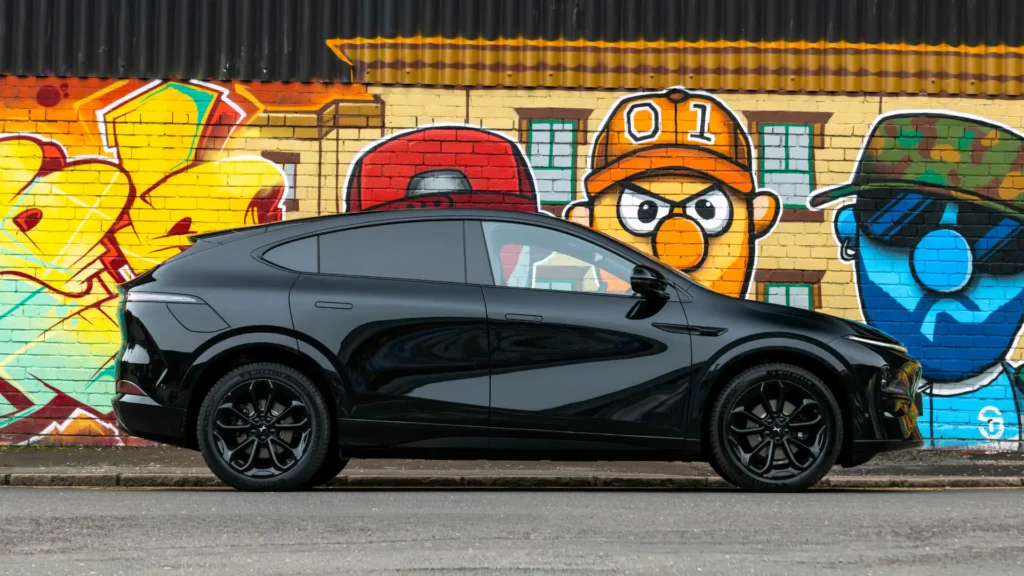
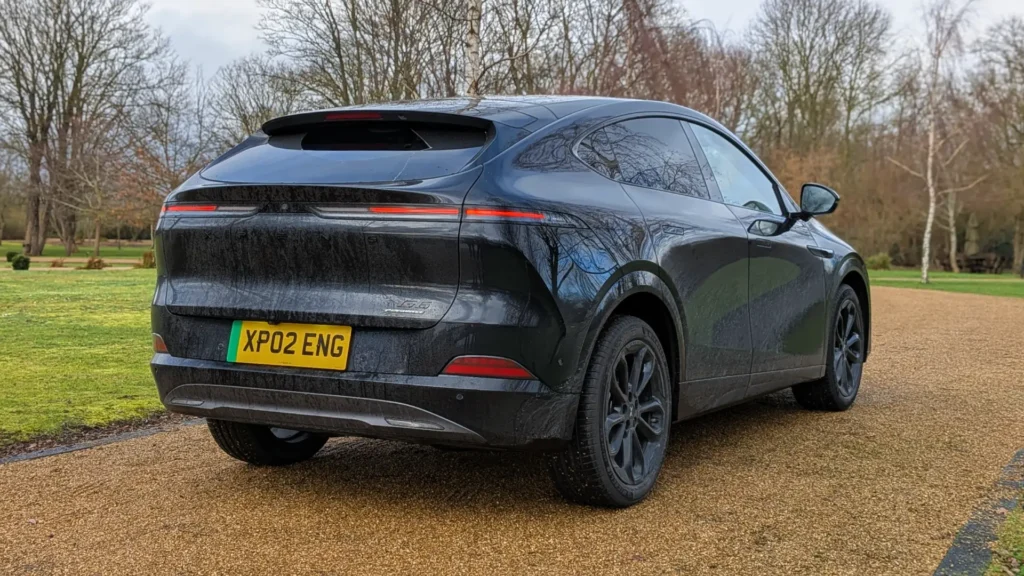
That ambition is visible in the G6’s form, though its identity remains open to interpretation. The silhouette is clean and contemporary, with a smooth, restrained surfacing. There’s an undeniable familiarity to the design language, a sense that, despite touches here and there, we’ve seen it all before. Proportions and details echo themes now common across the electric SUV segment, lending the car a cohesive but somewhat anonymous presence. The result is visually agreeable, but not particularly memorable.
Where the Xpeng G6 asserts a stronger character is in refinement. Noise levels are strikingly low, even at motorway speeds, creating an atmosphere of calm that makes longer journeys easier. Wind and tyre intrusion are impressively subdued, lending the cabin an almost hushed quality that feels distinctly premium, and keeps fatigue levels down. It is a quality that reveals itself gradually, becoming more appreciable with distance.
Performance follows a similarly measured theme. In rear-wheel-drive Long Range form, the G6 delivers brisk progress of the sort expected from a modern EV, with responses that are smooth and predictable. The dual-motor Performance variant introduces greater urgency, yet no extra theatre. The difference is evolutionary rather than transformative, with the undeniably rapid progress not denting the car’s relaxed, comfort-led nature.
This emphasis on effortlessness defines the driving experience. Steering is light and filtered, prioritising ease over tactile communication, while the ride favours compliance. Over uneven surfaces, however, the suspension occasionally betrays a degree of firmness, with the body never feeling quite as settled as the most composed rivals. There’s some harshness over surface cracks and potholes, with a hint of vertical movement – especially at the back of the car – that tempers the otherwise serene character.
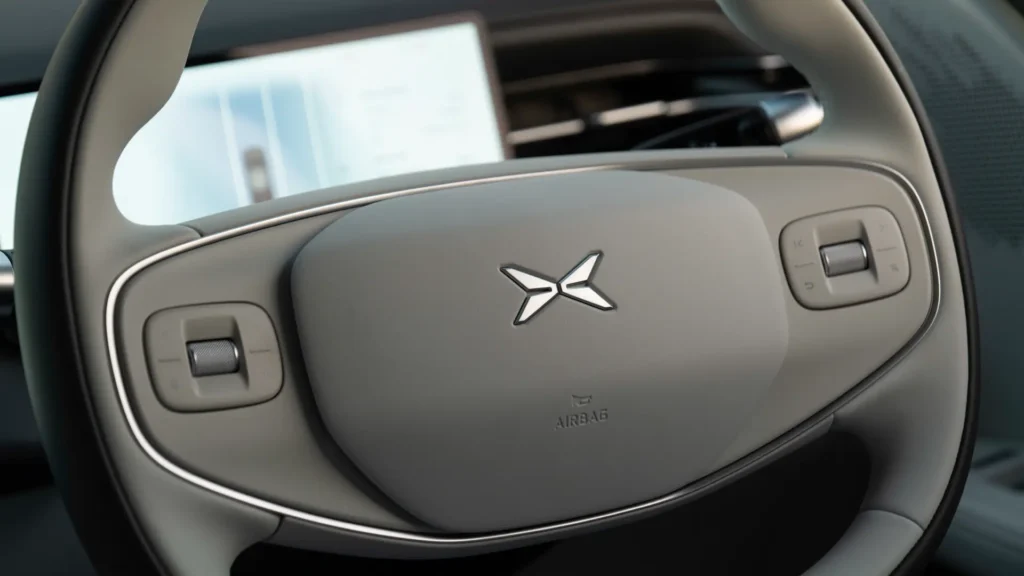
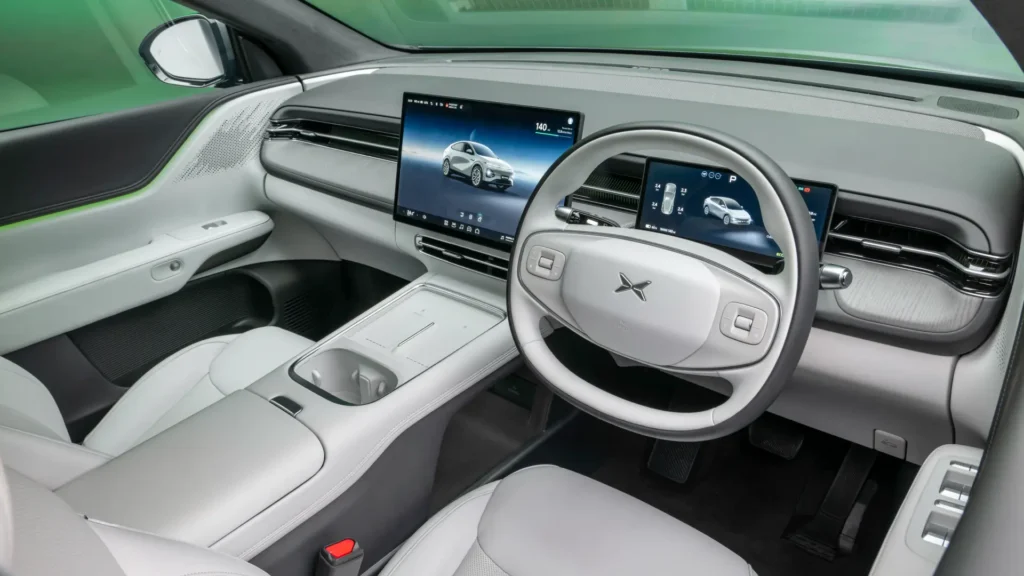
Inside, the cabin follows contemporary minimalist trends, organised around a dominant 15.6-inch central touchscreen. Material quality is pleasingly consistent, avoiding both ostentation and any suggestion of cost-cutting. Surfaces feel solid and carefully judged, comparing favourably with established competitors like the Tesla Model Y and the influx of Chinese rivals from BYD, Changan, Geely, Jaecoo, and countless others. Yet the interior also illustrates one of the recurring tensions of screen-led design.
While visually tidy, the interface prioritises aesthetic purity over intuitive interaction. Everyday adjustments require navigating multiple layered menus, a familiar trait across modern digital-first cabins that can quickly get frustrating. Ferrag acknowledges this balance is still evolving. “Being too simple is not the answer,” he says, before suggesting future Xpeng cars may reintroduce selected analogue features. In this context, the G6’s interface feels less like an oversight and more like a deliberate and frustrating waypoint along the brand’s design path.
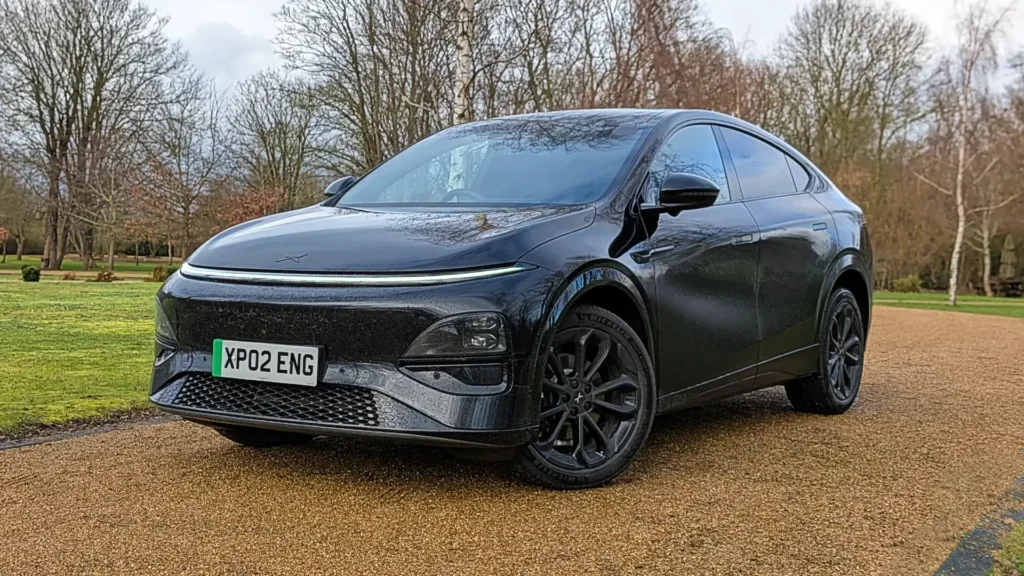
Passenger accommodation is generous, particularly in the rear, creating an airy, relaxed ambience that suits family use. A handful of omissions — notably the complete absence of a glovebox and front boot — feel genuinely problematic, standing out in a class where such features are expected.
Asked about the retro-inspired styling trends embraced by several European manufacturers, Ferrag is unequivocal about Xpeng’s direction. Nostalgia, he suggests, is a resource more readily available to legacy brands. Xpeng instead favours a forward-looking identity anchored in technology and modernism. “We prefer to focus on the tech-first identity that defines us.”
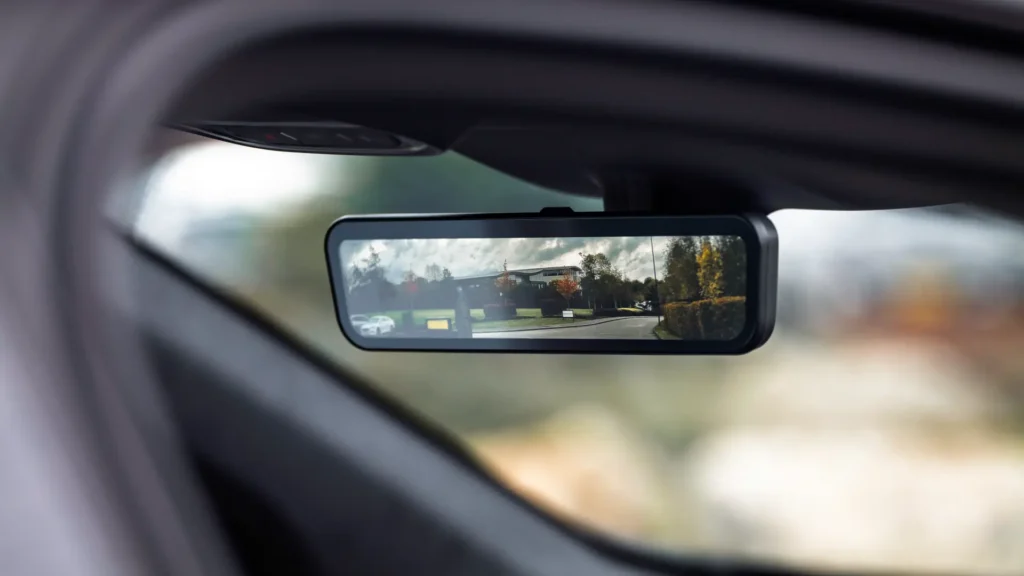
Viewed through this lens, the G6’s character becomes easier to interpret. It is not a car defined by flamboyance or heritage cues, but by a sense of calm, contemporary rationality. Its strengths lie in refinement, space and technological ambition, even if ultimate ride composure and steering tactility fall short of class-leading polish.
For buyers drawn to serenity and understated modernity, the Xpeng G6 gives a compelling, if not entirely flawless, first impression. It is, unmistakably, a vehicle shaped by a young brand still defining its identity.

- Custom Made by Moss review: A suit with personality sewn in - 22 October 2026
- Lexus takes luxury travel airborne with new helicopter service - 20 October 2026
- Polestar 5 first drive review: Precision at pace - 6 October 2026