
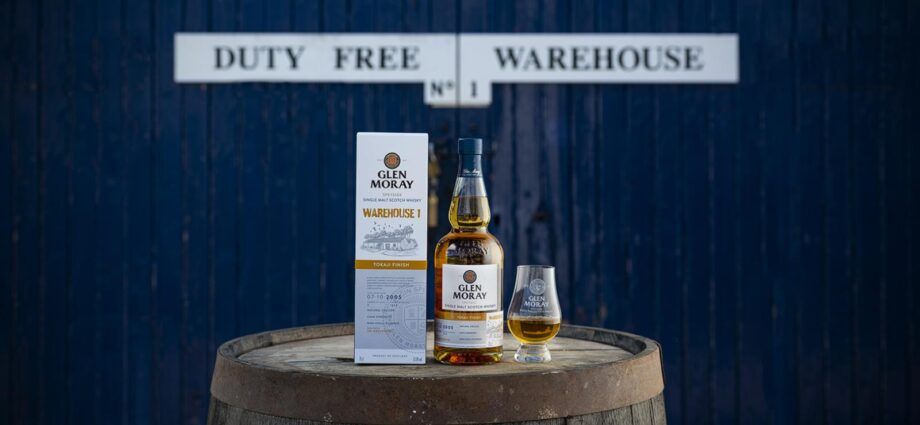
A whisky distilled and bottled in Scotland, but with a Hungarian name? The Glen Moray Tokaji Finish might have a surprising name, but it’s no surprise that it offers a sensational taste.
Created from whiskies kept in the famed Warehouse 1, the new expression is finished in oak casks that once held Tokaji Aszu wine. Distilled in 2005, the sumptuous marriage of Glen Moray spirit and the sweet, nutty notes of Hungary’s decadent dessert wine makes for a compelling combination.
Glen Moray Tokaji: The Tokaj Wine Region
The Tokaj wine region spans across northeastern Hungary and southeastern Slovakia, producing a wine with a heritage stretching as far back as the 12th century.
The region’s most famous wine is Tokaji Aszu, a dessert wine with a delicious sweet flavour. Made using botrytised grapes (a speciality in the area, thanks to the protective mountains, river mists and long, warm autumns,) the wine perfectly blends acids and sugars thanks to the wafer-thin skins the ‘noble rot’ creates.
Usually matured in underground cellars carved into the volcanic hills, the high humidity allows for rapid ageing, with many wines being in the barrel for as little as six months.
Tokaj is now enjoying something of a resurgence, as it continues to come out of the shadow of communism the region left in the 1990s.
Glen Moray Tokaji: The Whisky
Some of those Tokaji barrels are shipped to Glen Moray’s distillery in Elgin. Five such casks from Warehouse 1 — home to Glen Moray’s most unusual and adventurous maturation experiments over the years — have been used for a small batch release of just 1,244 bottles, especially for the UK market.
“When our distillers talk about Warehouse 1 it’s almost as if they’re letting you into a secret,” explains Iain Allan, Glen Moray’s global brand ambassador. “This is their special space for experimentation, innovation and patiently waiting for the character of each whisky to develop.
“Our team searches the world for interesting casks and they’re not afraid to push the boundaries, try the unusual and creatively combine Glen Moray whisky with unexpected casks. In this case, we have turned to Tokaji, which is a very old but lesser-known wine that has created a wonderful, flavour-packed dram that we’re very proud to release.
“It’s also very fitting that Warehouse 1 now has its own new and distinctive identity. This is a mark that signifies exclusive, small scale releases, non-chill-filtered and bottled at cask strength and with natural colour. Drinkers can be assured that each whisky has been made with a spirit of adventure, resulting in a dram packed with character and delicious flavour.”
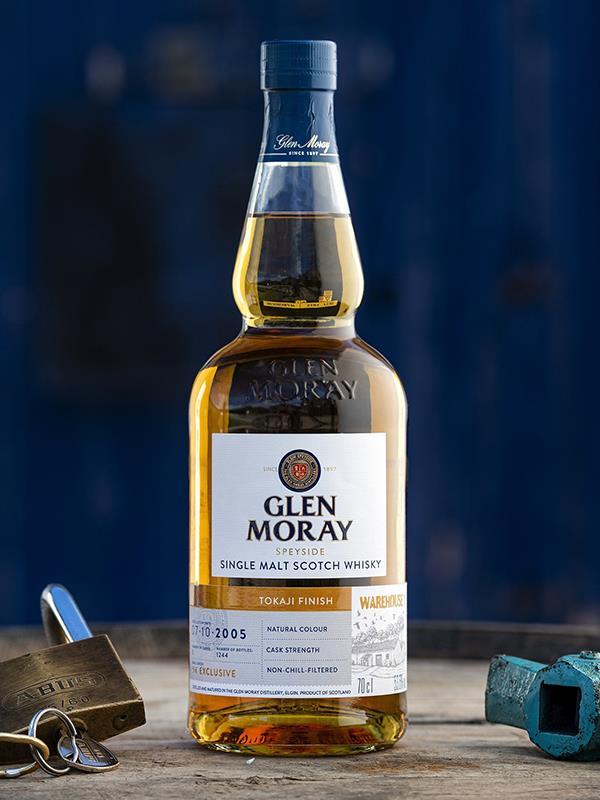
After the success of the first Warehouse 1 release last year – the Sauternes Cask Matured expression – the Tokaji Finish whisky has been given a Warehouse 1 stamp in deep, soft gold, representing the Tokaji cakes. There’s also an image of the famous warehouse, including birds that circle overhead on a typical day.
It’s the first of three launches scheduled for the Collection in 2021, all being matured in casks sourced from some of Europe’s oldest, noblest and most distinctly flavoured wine varieties.
Glen Moray Tokaji: Tasting
We’re told to expect “sugar, spice and all things nice” from the golden, cask-strength dram. Phrases such as ‘maple syrup,’ ‘lingering marzipan’ and ‘full-on sweetshop’ suggest it’s going to be sweet.
On the nose, there might just be enough going on to call it a sweetshop. There are sweet almonds, some toffee and gingerbread, lending it an almost cake-like character.
In the mouth, the sweetness is held back a little, although you’ll still find plenty of maple syrup in there. It’s joined by some biscuit tones, a sense of freshly baked bread and a slightly malty flavour that brings it all together.
Syrupy and thick, it lasts a long time, with a lingering marzipan note that is just sumptuous.
Glen Moray Tokaji: Price and Availability
Glen Moray Warehouse 1 2005 Tokaji Finish is bottled at cask strength (56.3% ABV) and is available exclusively in UK specialist whisky shops . Expect to pay around £75 for a bottle.
