
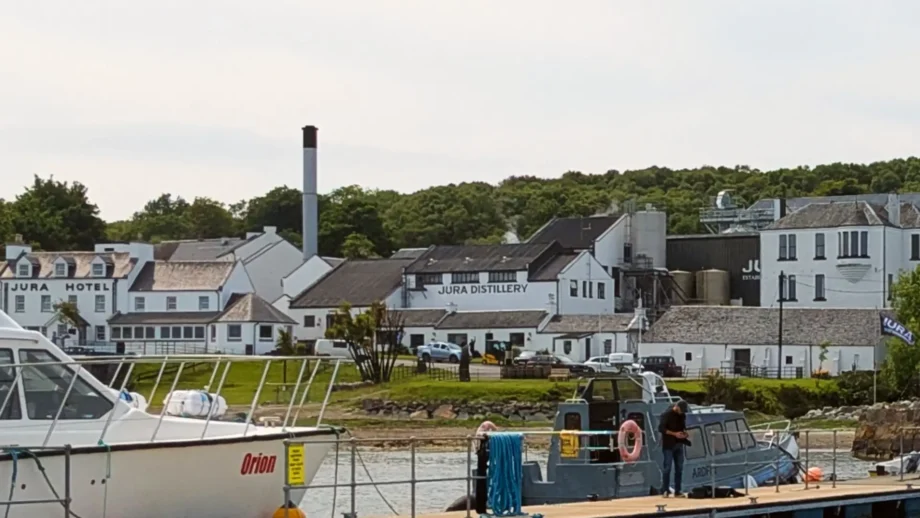
Off the rugged west coast of Scotland lies a place where time slows, the deer outnumber the people, and whisky isn’t just crafted — it’s woven into the rhythm of the island. Jura, with just one road, one hotel, and one iconic whisky distillery, offers a pilgrimage like no other. Accessible only by boat, this tiny island rewards the curious with a sensory journey into the heart of whisky-making that begins long before the first dram is poured.

During my recent visit, I took a boat from Tayvallich on the Scottish mainland. The 50-minute trip down the length of Loch Sween and across to the beautiful island of Jura took me past stunning scenery, basking seals and picture-perfect lighthouses. Thankfully, the crossing was calm, particularly in the shelter of the loch, but if you’re prone to sea-sickness, a flight to Islay and the shorter 20-minute crossing to Jura is another option for accessing the island.
On the approach to Jura, the first thing that draws the eye is the distillery. Its prominent position on the shoreline reflects its importance to the island and the 200 or so islanders. Small Isles Distillery, as it was known when it first opened in 1810, was a vital part of the island’s economy for decades, until in 1913 the final barrel of whisky left the island and the distillery fell silent. As a result, the population dwindled; with very few employment opportunities, the islanders had no choice but to head to the mainland.
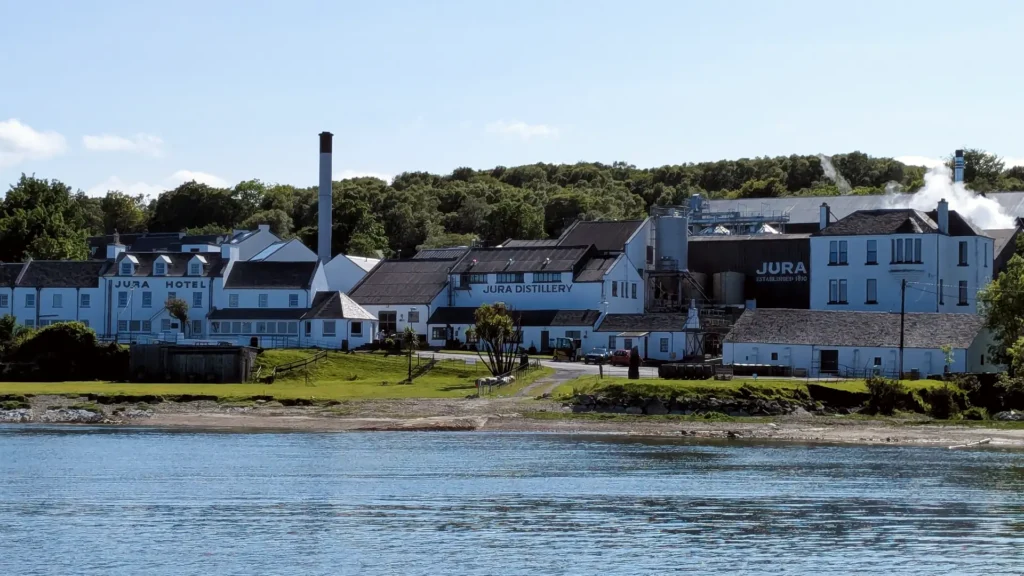
In the early 1960s, local landowners Tony Riley-Smith and Robin Fletcher set about reviving the economy by bringing whisky production back to the island. Finally, on April 26th 1963, the fully refurbished Jura Distillery reopened its doors and it’s been in full flight ever since.
Jura’s whisky style
With Jura sitting so close to Islay, well known for its peated whiskies, you might expect Jura whisky to have followed a similar path. Instead, as Graham Geddes, the distillery manager, explained, Jura no longer produces peated whisky. It now uses unpeated barley, which creates a much lighter whisky, more akin to the highland Speyside style, leading to the house style, which is “fruity and aromatic, with a touch of coastal influence.”
Geddes went on to explain that as tastes change, the demand for peated whisky has fallen, and while Jura has several barrels in its reserves, there are no plans to release them as an expression. Instead, they’re used to add “a smokey kiss,” as he describes it, when a blend calls for it.
The distillery tour
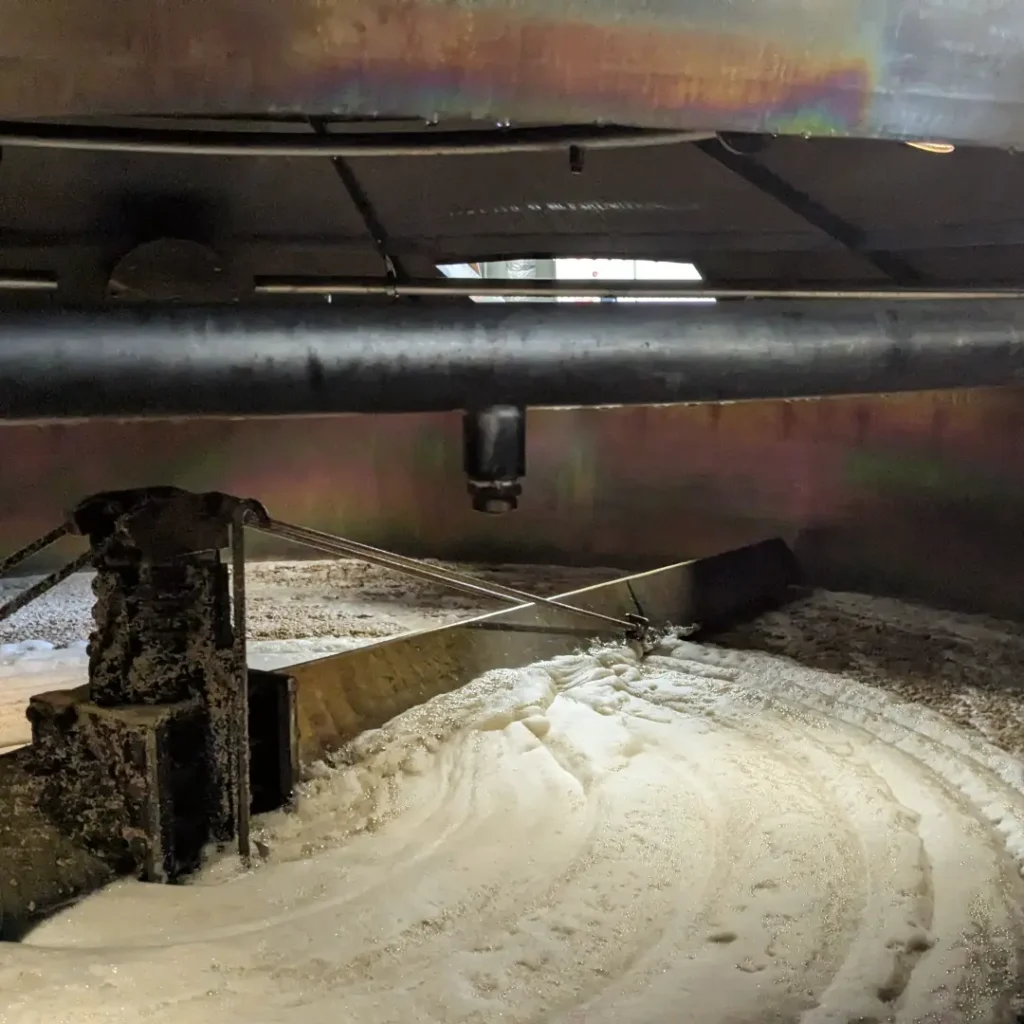
The first stop on my tour of the distillery was the mash tun, where I arrived just as the process was about to begin. The hot water and malted barley were added to the huge metal mashing vat, where they were mixed to initiate the release of fermentable sugars from the grains. Watching the mixing blades spinning and tossing the foaming mixture was hypnotic, but it was time to move on.
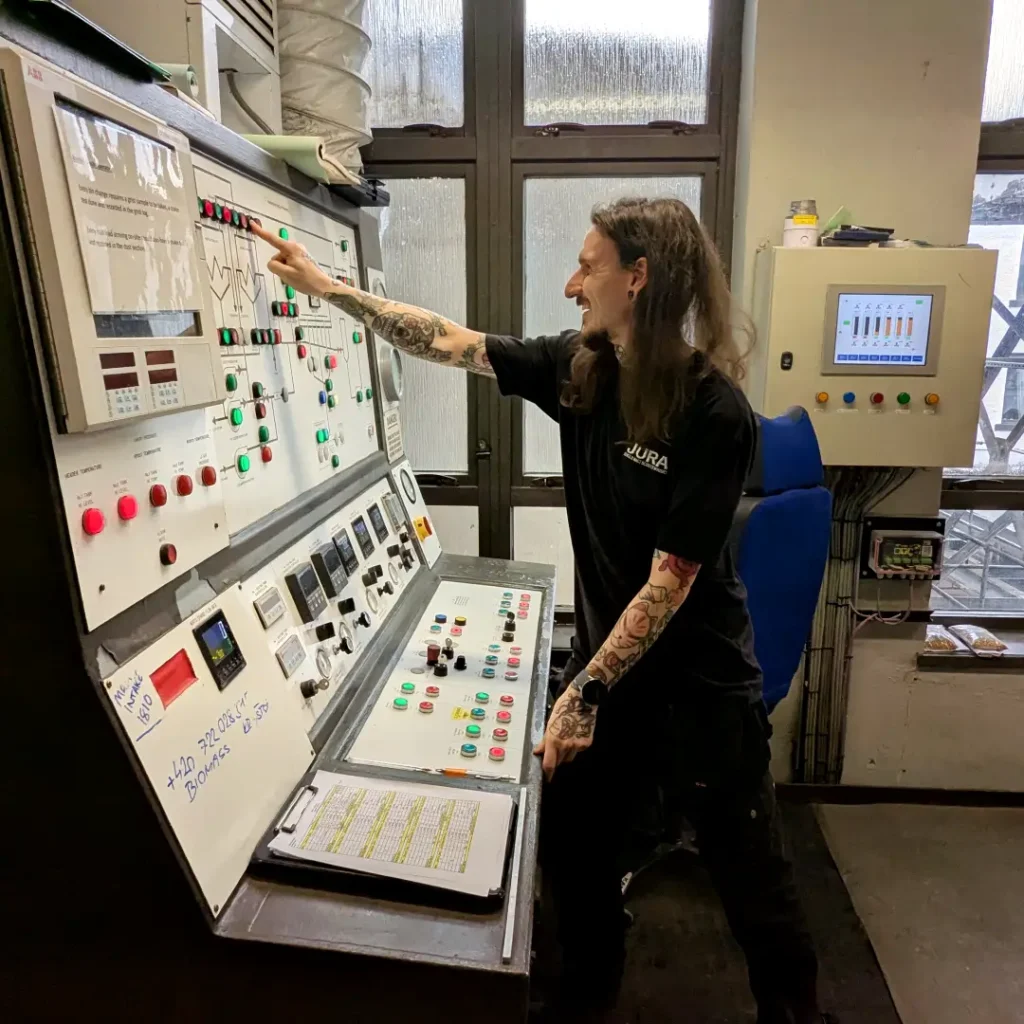
Next stop was the washbacks, or fermentation tanks, where yeast is added to the mash and the mixture left to ferment. Jura whisky is usually in the washbacks for around 60 hours, with one notable exception. Every September, the island hosts a music festival, and the distillery closes, allowing the entire island to come together and enjoy the festivities. While the team are away, the fermenting spirit stays in the tank for around 130 hours — a future music festival special release, perhaps? Geddes’ eyes twinkle at the prospect.
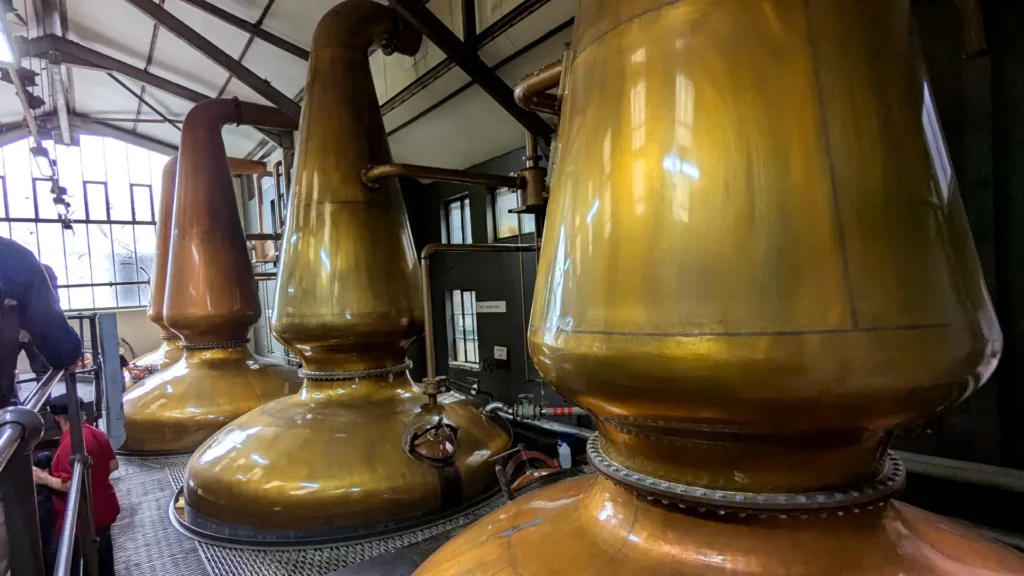
As I made my way into the still room, it was a sight to behold. Four enormous copper stills stood before me, each standing 28 feet tall. These stills, some of the largest in an island distillery, are what give Jura whisky its fruity character and unique style, as taller stills create more reflux and a lighter whisky. Each time the heated spirit vapours rise and meet the copper chimney, the liquor gains a little more flavour and character, and with such a height to climb and fall, the opportunity to enhance the spirit is plentiful.
Tasting the whisky
Finally, I headed to the warehouse, where Jura’s Master Blender, Joe Ricketts, had selected a few expressions for us to taste, each offering a distinct characteristic that showcases the versatility of the spirit.
The non-age-statement whisky: This blend of spirits aged from eight to 19 years, still a work in progress, will be the basis for a future release in the Perspectives range. Aged in first and second-fill bourbon casks, as well as virgin oak, there was a delightful blend of freshness and rich complexity.
The two parts that make the whole: These were the component parts of the yet-to-be-released Perspective No. 02. The first, the 2010 bourbon component, aged in first, second, and third-fill bourbon casks for approximately 16 months. The second, the Amontillado component, has been aged in Amontillado butts, which, Ricketts explained, accentuates the aromatic element, adding support to the spirit without overwhelming the flavour.
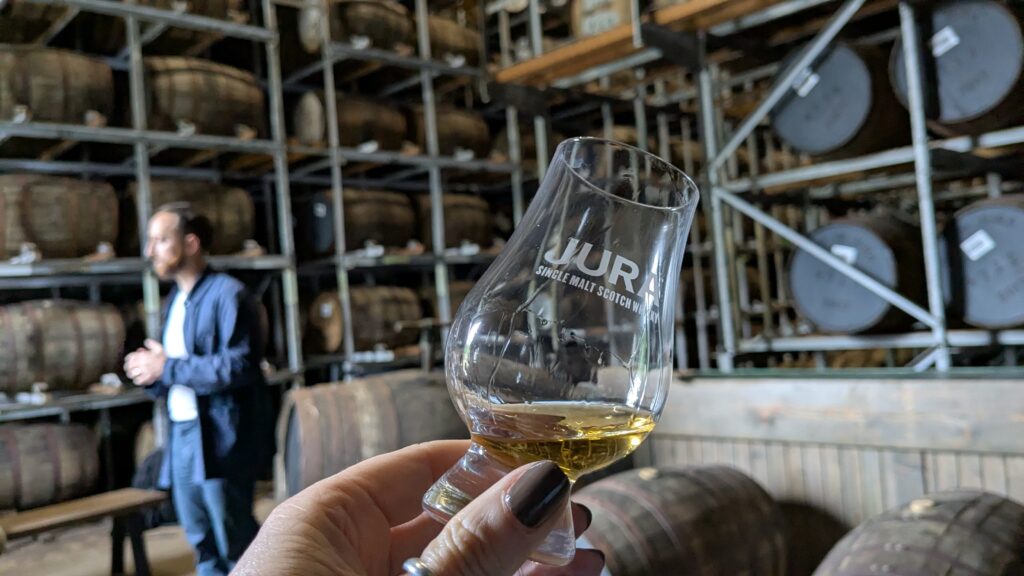
The 1990 refill hogshead: This was recently released as a distillery exclusive and was my favourite dram of the session. Fully matured on the island, it represents what Geddes called a “pure expression of Jura”. When asked how this single, simple cask could create such complexity, the Master Blender smiled, replying, “Time and care — 20 years plus turns Jura’s spirit into something spectacular.”
The Sauternes-aged sample: Initially placed in bourbon casks in 2001, this whisky was transferred to Sauternes barrique in 2018 for a second maturation. Sauternes casks are much sought after, and quite rightly so — the rich notes of peaches and apricots shone through, with floral hints adding to the distinctive flavour.
The Fèis Ìle 2025 release: developed for this year’s Islay Festival of Malt and Music, it was matured in oloroso sherry casks, which is a departure from the usual house style of Jura. Full of bold flavours of plum and dark fruits, with sweet tobacco and fruit blossom, it has a more syrupy texture and a deeper red hue, the perfect mark of its robust character.
Jura, the island
Scotland is famed for its windswept isles and legendary malts, but Jura stands apart. It’s not easy to reach — and that’s precisely the point. As George Orwell once described it, Jura is “un-get-atable.” And eight decades later, that remoteness remains part of its magic.
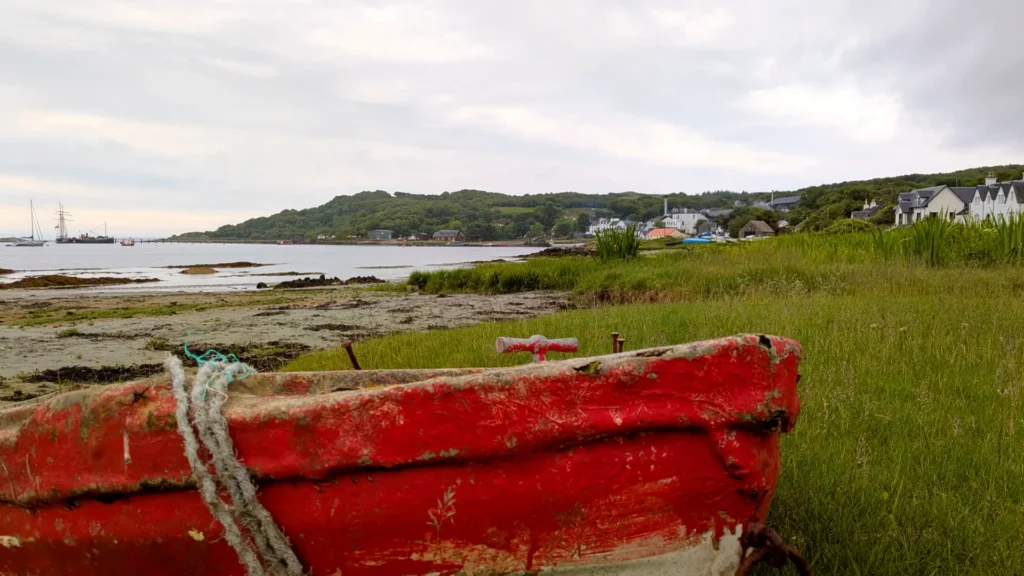
As I boarded the return boat, the taste of Jura lingered — not just the whisky, but the sense of time standing still. Jura is more than a whisky destination — it’s a quiet revelation. A place where the fog rolls in thick, the wildlife wanders freely, and the whisky flows with intention.
In an age of instant everything, Jura reminds us that the best things take time: to reach, to craft, and to savour. It may be “un-get-atable,” but that’s precisely what makes it unforgettable.

- Gordon & MacPhail launches the Anniversary Releases collection - 24 September 2026
- Blackstone 36” Griddle with Air Fryer review: Outdoor Cooking Made Easy - 11 September 2026
- VIP Ski Confidence Week: Banishing the nerves and putting the fun back into skiing - 10 September 2026