
The hidden gem that is the island of Islay (pronounced Eye-la) is a beautiful, changeable beast and can be as evocative and typically Scottish as it gets, says Barnaby Dracup. One can spend many hours, rod in hand, watching the mist roll over the ruddy, dun hills and stern, steel lochs, obscuring the sight of red stags roaming the heather-strewn high ground. And then, the next day, find yourself woken by strong sunlight, the murky vista of the previous morning replaced by the twinkling highlights of an azure ocean.
But no matter the weather, an island boasting eight fully-operational whisky distilleries and a multitude of lochs, beaches, Marilyns and mountains spread across its varied topography means Islay is a fecund land, perfect for those looking to personally immerse themselves in some rich history and even richer produce. Islay and its neighbour Jura have lively festivals throughout the year, with everything from marathons, jazz, literature and especially whisky being celebrated. With tourists converging on the small island from the world over, Islay knows how to throw a party.
Islay is well placed among the famous drink-producing regions of the world — Champagne, Bordeaux, Madeira — and holds its own with an industrious history and unique produce. The island’s distilleries feature some of the most famous names in whisky, including Ardbeg, Bowmore, Port Ellen, Bunnahabhain, Lagavulin and Laphroaig. Most offer tours, tastings, and even the opportunity to ‘fill your own bottle’ from casks in the gift shop. Contrary to observations, giving a thumbs-up to the camera while your other half snaps away is not a prerequisite.
Islay malts are famous for their sea salt-infused, peaty flavours and vary in taste from lightly smoked to downright powerfully medicinal. Individually, the whiskies are all quite distinctive, and the distilleries on the island are roughly divided by aficionados as either being of ‘North Island’ or ‘South Island’ providence. The South Island distilleries generally produce bigger, smokier and saltier whiskies. In contrast, the North Island distilleries are a bit softer on the palate, with lighter, fruitier notes presenting themselves to the attentive drinker.
A Long Way From Home
After packing the fishing rods and completing an eight-hour drive from the South of England, we arrived at the ferry port, keen to stretch our legs and get comfortable for the two-hour crossing. Our ferry was to depart from Kennacraig on the western mainland, taking us over to Port Charlotte on Islay’s East coast.
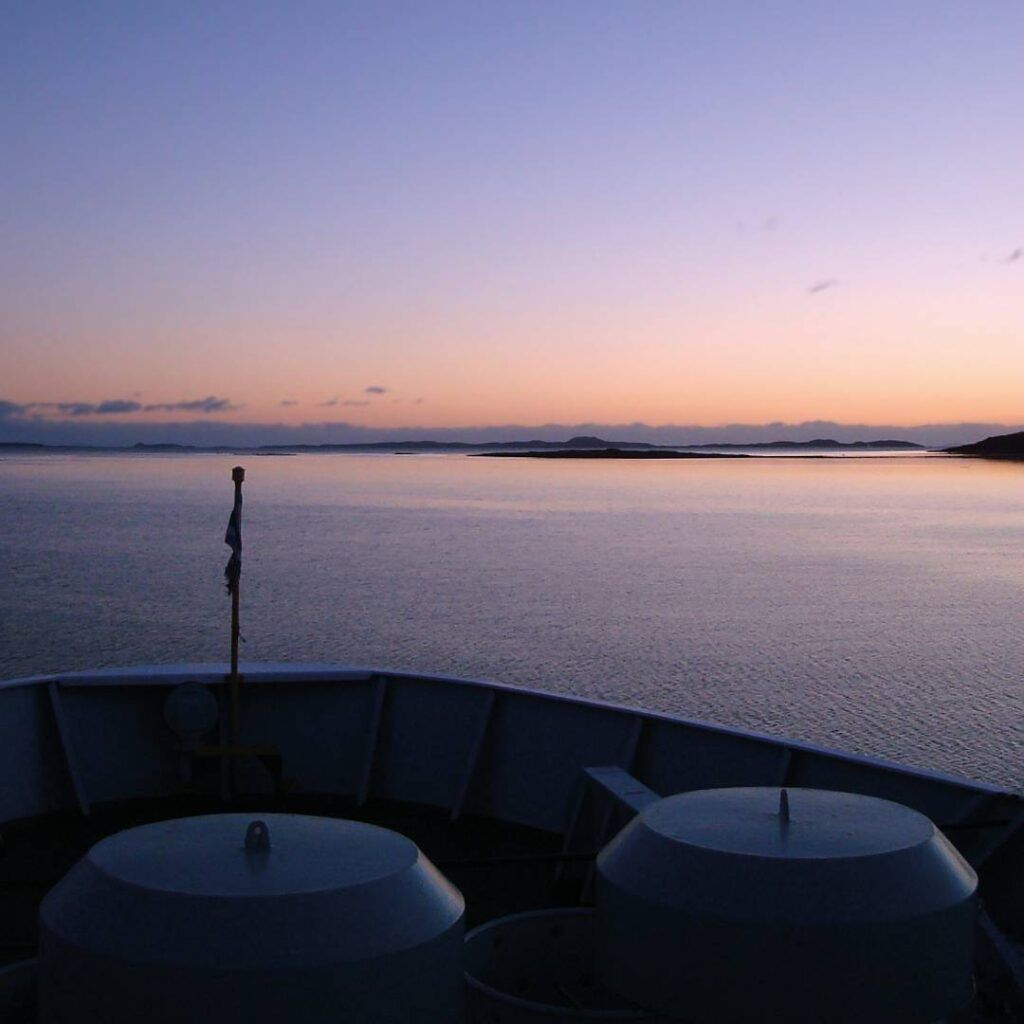
Now, this leg of the journey bestows upon the knackered traveller some soul-nourishing scenery. If you are lucky to experience a calm, clear evening after long hours shifting about in a car seat, the best way to spend the crossing is out deck, sipping a dram from the well-stocked bar and watching the hills bordering the Sound of Islay magically slip by. If so blessed, for a couple of hours, you will have a little slice of Hebridean heaven.
Upon arrival, after efficiently debarking the ferry at Port Charlotte, we headed westbound across the island, whipping along the quiet roads, mindful of the free-roaming livestock, their white backs illuminated by the bright moon. Islay is host to a multitude of B&Bs, hotels, and plenty of holiday cottages and campsites — so there is something to suit all budgets and tastes.
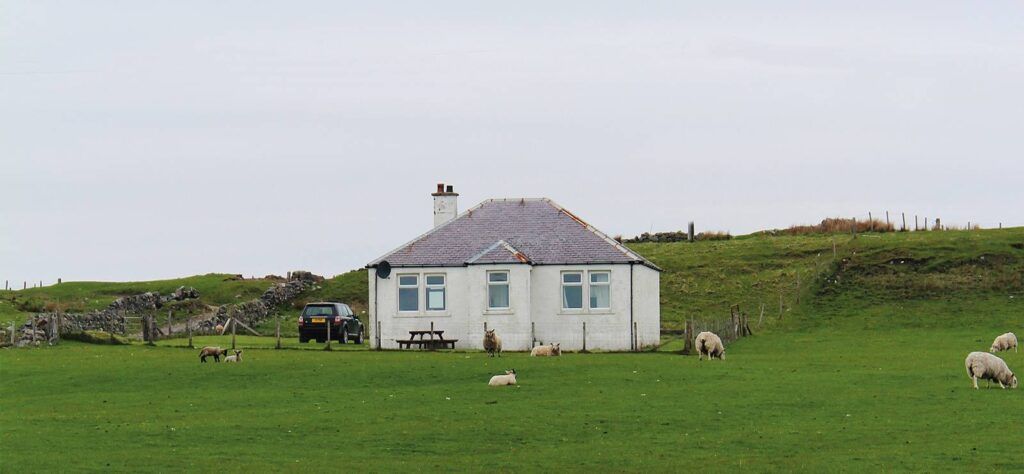
We were headed for Laggan Point, on the Western tip of the island and were due to collect the keys for the cottage we had booked from the Laggan Estate office. Having had an informative chat with the friendly staff there, we wound our way slowly down the few miles of single-file farm track to the rental cottage, carefully avoiding the deepest ruts and gently nudging obstreperous sheep aside with the Land Rover’s bumper.
Laggan Cottage sits three miles from Islay’s central hub of Bowmore and is close to a working farmyard. Upon arrival, my visions of a rugged Scots bothy soon evaporated. The brick-built cottage was spacious, had three bedrooms, a good living space, and an open fire with a ready supply of traditional peat bricks. Other creature comforts comprised a washing machine, fridge-freezer, microwave, television, and even electric heating should the worst come to the worst. From the front steps, you could hit a cricket ball to the beach, and, as we were to find out over the following days, the cottage has an inspiring panoramic view of the Atlantic Ocean. But for now, still in the hours of darkness, and after 10 hours in the saddle, a bottle of Jura 12-Year-Old and a hearty peat fire were all the inspiration we needed.
The next morning we were booked in for a tour of the Laphroaig distillery and set off back up the uncivilised farm track to the main road. In the bright sunshine, we could see the track was lined with thick gorse bushes sporting the most radiant golden-yellow flowers. These large swathes of scent and colour were quite dazzling, so much so that we nicknamed them ‘hallucinogenic gorse’, into which one must not stare too long…
The Legendary Laphroaig
The Laphroaig distillery hosts one of the most famous whisky tours on the island, offering you several options of price and duration. There are a variety of tours, lasting from one hour to two and costing around £18 up to £150 for their ‘Uisge’ package, which includes a distillery tour, picnic lunch, history walk, tasting and bottling, for which visitors can select several of their favourite casks to bottle and take home with them.
Once in the distillery, it is quite lovely to see the barley being raked and turned by hand on the malting floor in the traditional manner. The barley is stimulated with a Spring-like environment — kept wet and warm so the grains germinate and start to shoot as they would in the soil. As the root grows, internal enzymes alter the insoluble starches in the grain, changing them to soluble sugars so that the hot water added in the mash house can do its work. The temperature of the grain is monitored with thermometers and regulated by simply opening the windows and lifting and turning the grain with a traditional, large shovel-like tool called a sheil.
On the next floor, you can throw a few peat bricks into the kilns yourself and watch the dense smoke rising to the sealed floors above, where the grains are infused with the smoke’s potent flavour.
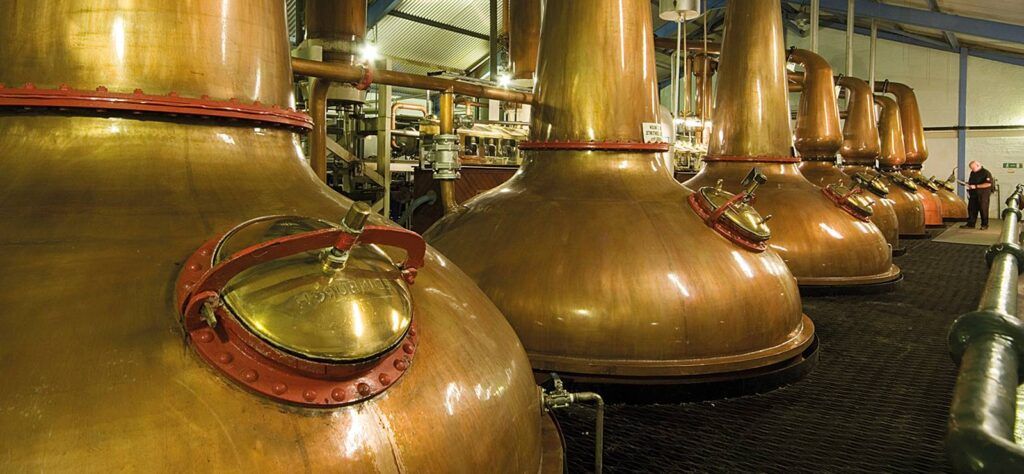
Standing there observing these traditional processes, and with the creamy, earthy scent of the grains filling the rooms, your brain definitely begins to make some connections between this and the final flavour of the whisky.
Distillery manager, John Campbell, says the whisky’s unique flavour comes not just from these processes but from the environment itself. “The water for Laphroaig,” he explains, “Comes from the Kilbride reservoir, which is dark and peaty and quite whisky-coloured to begin with. About 15% of the flavour of Laphroaig comes from this water supply, and it’s this soft, peaty water that helps create the unique flavour profile of the brand.”
The peat they use is from the nearby Laphroaig peat beds and is still cut, stacked and dried in the age-old fashion. Mainland peat is formed from the ancient Caledonian forests, so is wood-based, whereas Islay peat is composed differently and formed of ancient grasses, fungus and sphagnum mosses. It is this composition that lends Laphroaig those powerful medicinal flavours.
A Rich Haven for Wildlife
Islay is bathed in the Gulf Stream currents, bringing temperatures several degrees warmer than on the mainland. These unseasonal climatic conditions make Islay home to a rich profusion of wildlife, with many rare and exotic species of bird and fish drawing in twitchers and country sports enthusiasts from the world over.
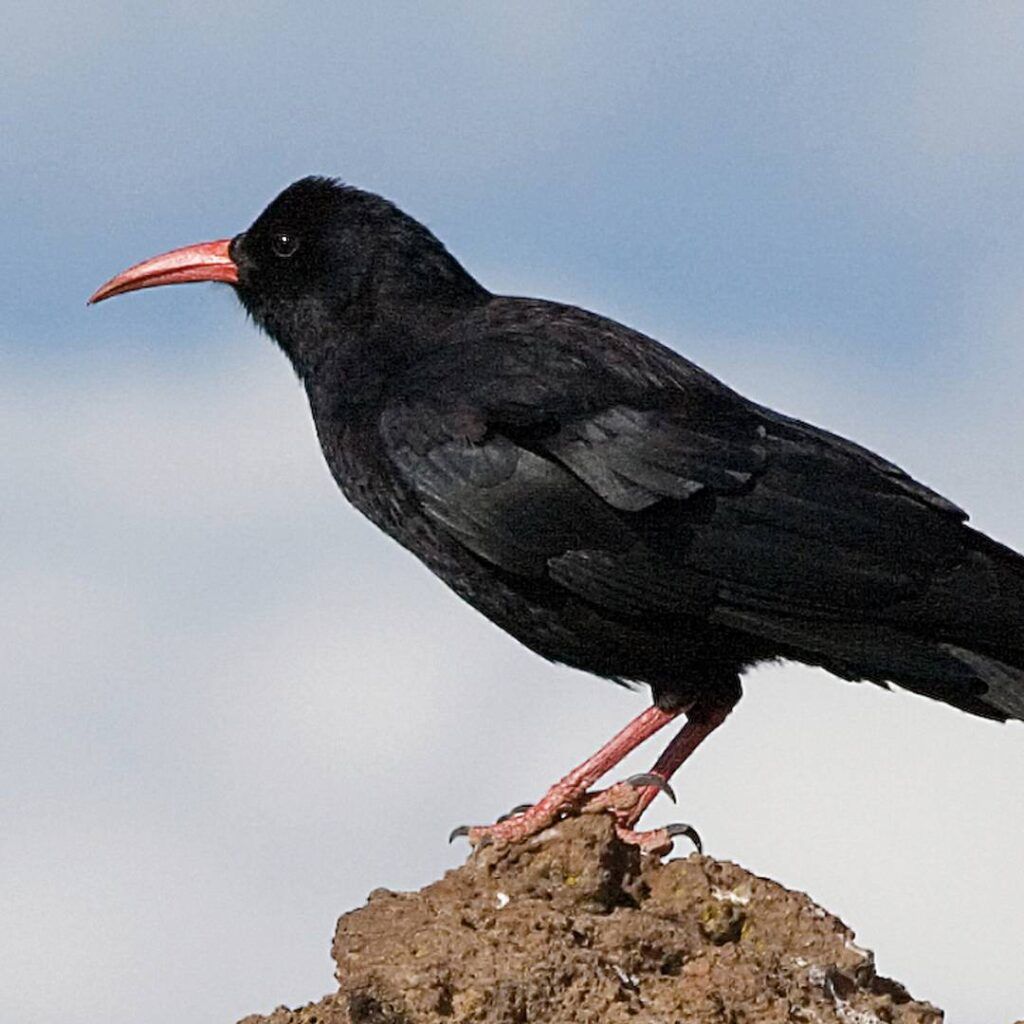
In the farm huts that lay between our cottage and the beach were a pair of nesting choughs, often circling the area, diving and swooping and digging invertebrates from the grass. Choughs look like slender crows with bright red trousers and curved beaks, but their distinctive cry is thinner and sharper than the crow. On the endangered list, and with only 250-350 breeding pairs in Great Britain, their areas of residence are limited to the very Western edges of the UK and Ireland. These unusual characters were a welcome presence during our stay.
Famous for Fish
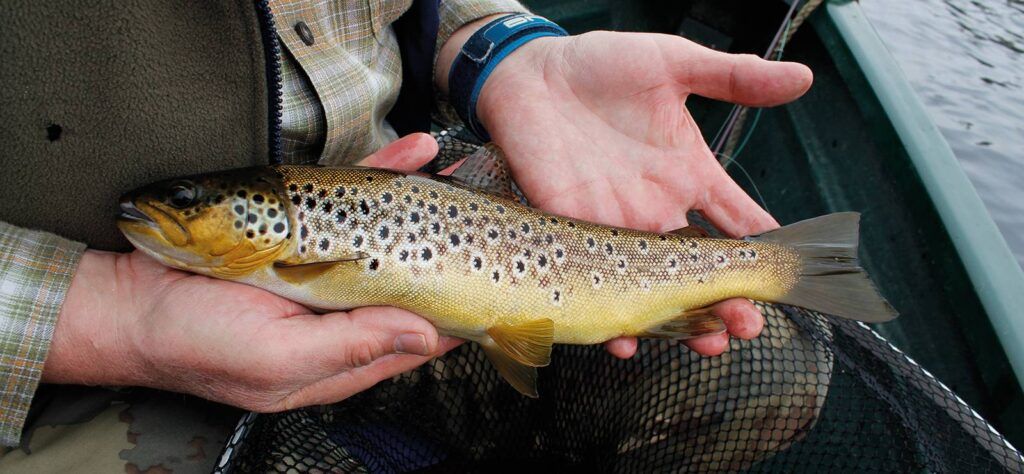
Amongst its other wildlife, Islay’s inland lochs are famous for their brown trout – wild beasties with large appetites – and the largest lochs are said to contain some real fighters that prove a perennial draw to the world’s fishermen.
To experience the famous ‘broon troot’, we had arranged a permit to fish Loch Ballygrant, which sits inside the boundaries of the Dunlossit Estate near the eastern edge of Islay. The Schroeder family owns the estate and offers the full gamut of traditional fishing and deer stalking activities to the country sportsman. As I was to find, the highest elevations of the Dunlossit have an amazing easterly panoramic view across the Sound of Islay to the voluptuous hills of Jura beyond.
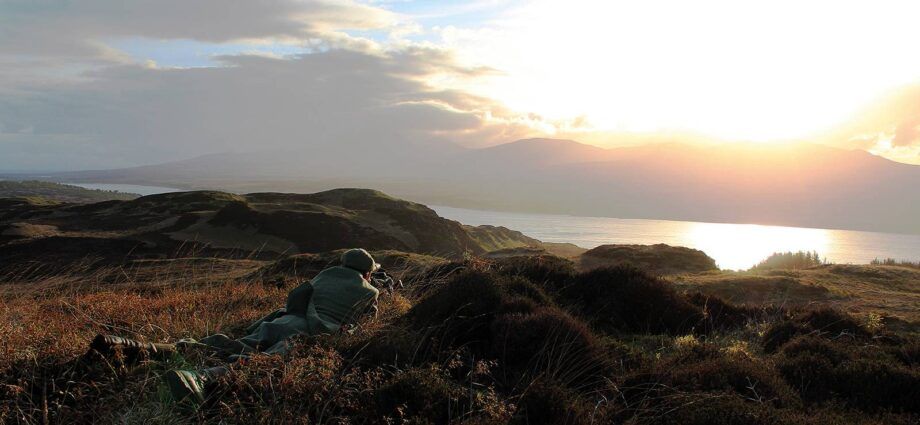
Before our fishing stint, I was lucky enough to be taken out on an early morning hike with the Dunlossit Estate head keeper, Donald James McPhee. Now in his 41st year on the estate, he has been hunting and fishing over its 18,500 acres of hill ground, farmland and woodland for most of his life. With the sun rising beyond the distant hills, I was treated to a stunning spectacle, a breathtaking arrangement of nature’s elements – earth, rock, clouds, and sunshine – that warmed the heart against the cold swirling winds and made our early 4am start more than worth it.
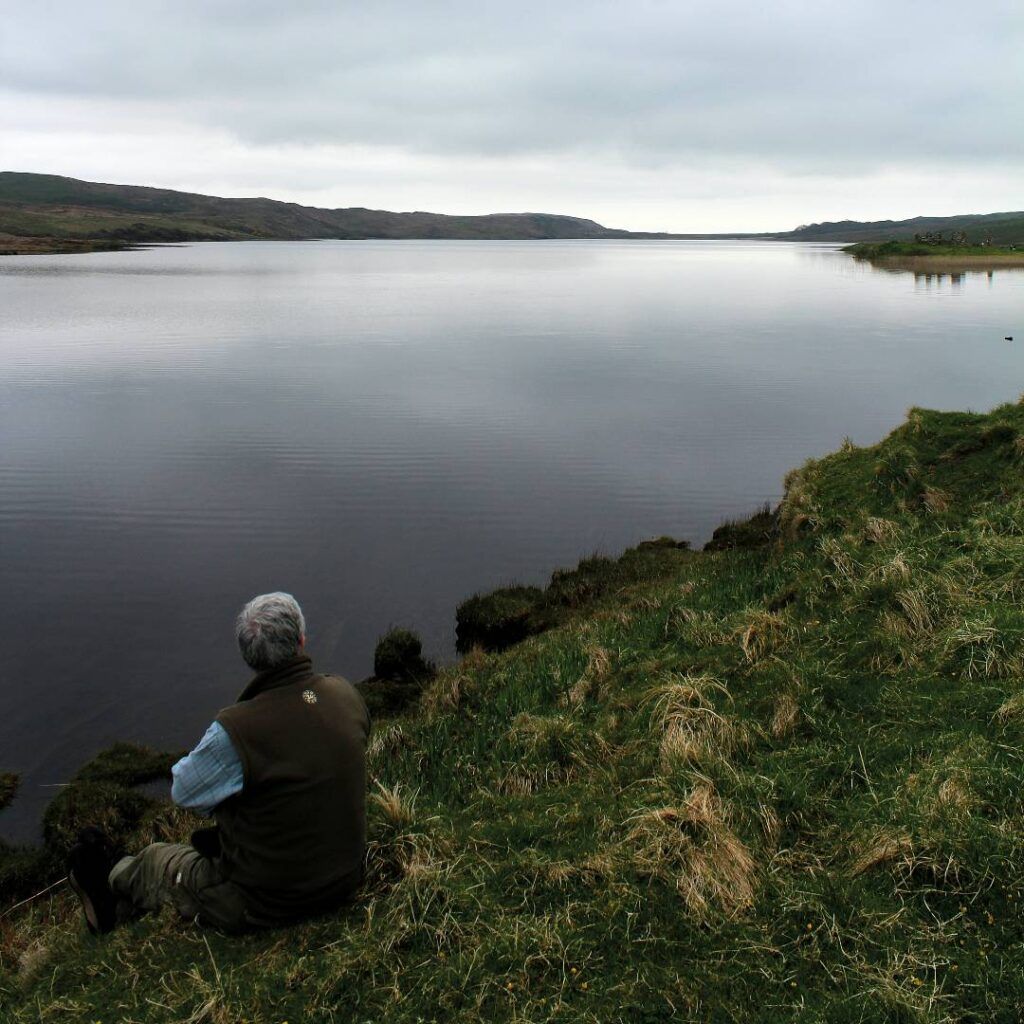
Later, upon returning from the hills, the morning air was still biting, but a quick dram of purloined Laphroaig helped to warm the cockles as we tackled-up and pushed the boat out onto the loch. The water’s calm surface serenely refused to give up its secrets for some time, until we neared the dense trees that fringed the banks. As the sun came out and the wind picked up, it suddenly turned the lake into a hive of activity. There was a constant splash and plop of fish flipping out of the water as they attempted to drown everything and anything that might have been blown from the tree line and over the loch.
Floating flies were attached in teams of two, and soon we were hauling in voracious golden-brown predators, often two at once, our flies being flipped the moment they hit the water. The sport was fast and furious for over an hour, and as our arms tired – and, it must be said, my casting technique improved – we allowed the wind to guide us around the loch, making occasional adjustments with the oars. The second hour passed, and then suddenly, it was over as quickly as it had started, the wind dropped, and the sun once more became obscured behind a veil of granite clouds. More than satisfied, we returned to the boathouse, our spirits lifted and bags brimming with several of the largest fish we had caught. Islay brown trout was going to be on the menu tonight.
We headed back via the town of Bowmore, zipping along the long, straight roads, fuelled by the anticipation of a quick pub stop and the relaxing hospitality of a roaring log fire. Momentarily a buzzard joined us — flying level and keeping apace with the car before veering off and away over the hedgerows.

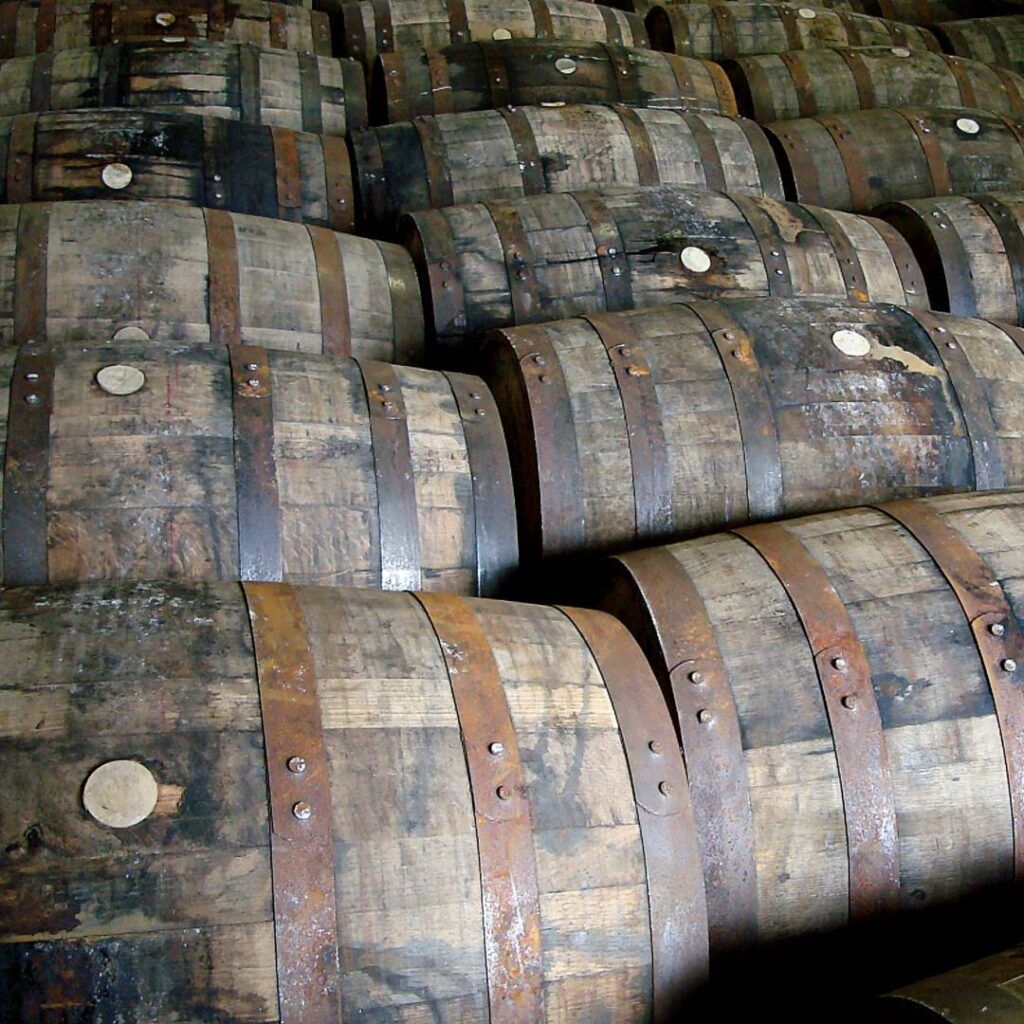
The following day, we had booked ourselves on the tour of the Bunnahabhain distillery and, having tapped some local knowledge in the pub the night before, had decided to fish for Pollock from the rocks afterwards — killing two birds with one stone was to be the order of the day.
A tour with a couple of drams at Bunnahabhain costs £15 and — preceded by a cooked breakfast with fried haggis – was a great way to warm up for the few hours of fishing we had ahead of us. As the tide came in, we would cast from the rocks on the other side of the distillery to hopefully hook ourselves some Pollock.
As the tide began to swirl and eddy and drag inwards around the black rocks, we began hurling our lures out, letting them sink slightly, then reeling them back in. The local knowledge proved spot on, and soon we were pulling hungry Pollock from the water. Bountiful Islay was again providing us with another night’s supper — fresh Pollock, gutted, split and pan-fried with a bit of garlic, washed down with the local Saligo ale, chased by many a dram.

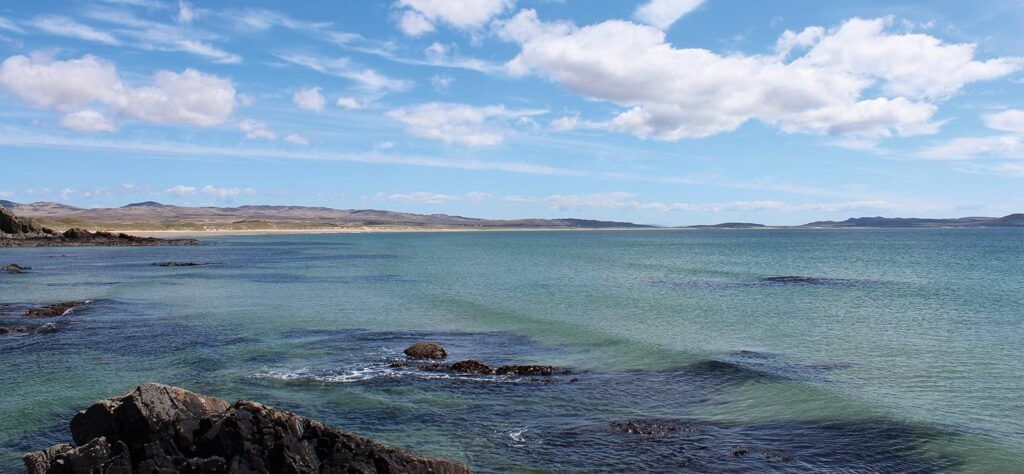
On our final day, the sun was high, bright and warm on our backs. Coats and hats were abandoned for short sleeves and sunglasses as we went down to the beach. Laggan Bay is five miles of clean, lightly pebbled sand, sweeping round in an arc to the East of Laggan Point and features a river that joins the bay at the near end — perfect for Sea Trout. A golden eagle, wheeling and gliding on the winds that swept over the far side of the beach, meandered closer until it was large in the sky, its yellow feet and beak clearly visible. It came out quite close, making slow, lazy turns overhead, apparently interested in us, before gaining height and flying away over the fields of glowing, luminescent gorse.

- Driven: Rolls-Royce Ghost Series II — Luxury evolved - 6 May 2025
- Driven by vision: The Aston Martin Lagonda Series 2 revisited - 22 April 2025
- Ogio Introduces Limited-Edition Agave Ahora Golf Bag Collection - 25 May 2024