
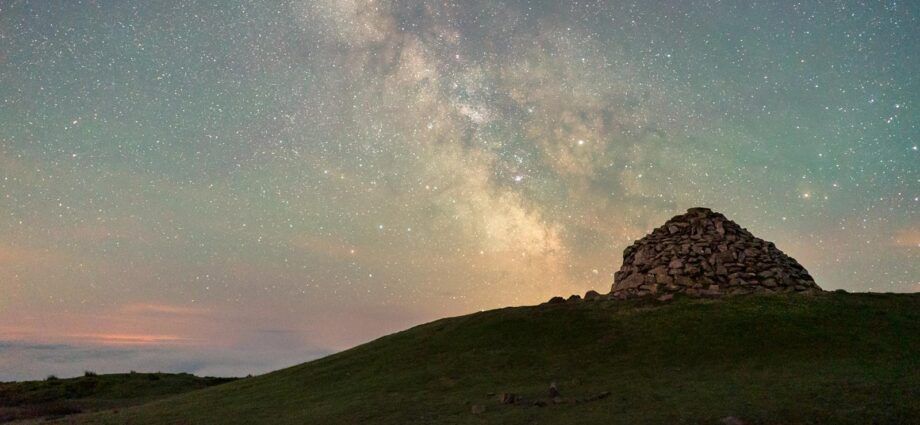
Wondering how it’s possible to capture that perfect image is a question you’ll have asked yourself if you’ve spent any time aimlessly stargazing, thinking about astrophotography.
You’re most certainly not alone. With so many astronomical events on the calendar over the next few months, from a solar eclipse to a strawberry supermoon , now is the time to unleash that inner cosmologist.
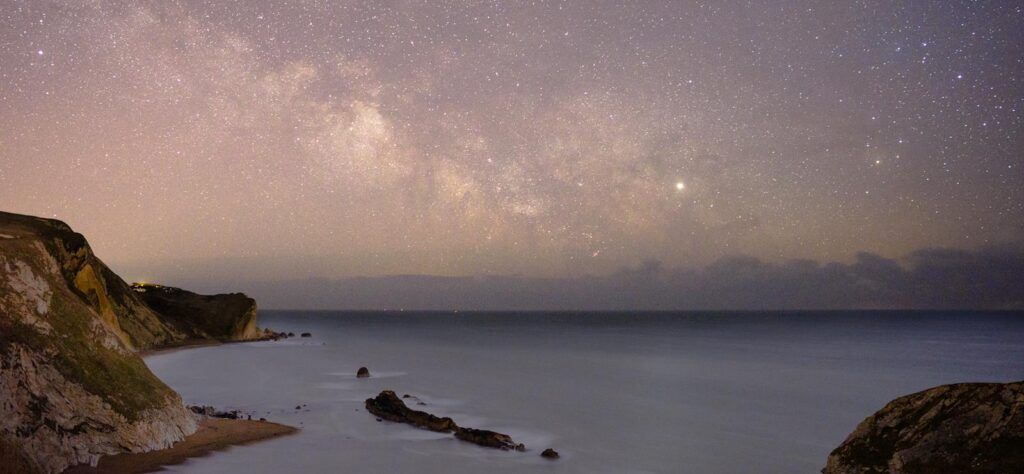
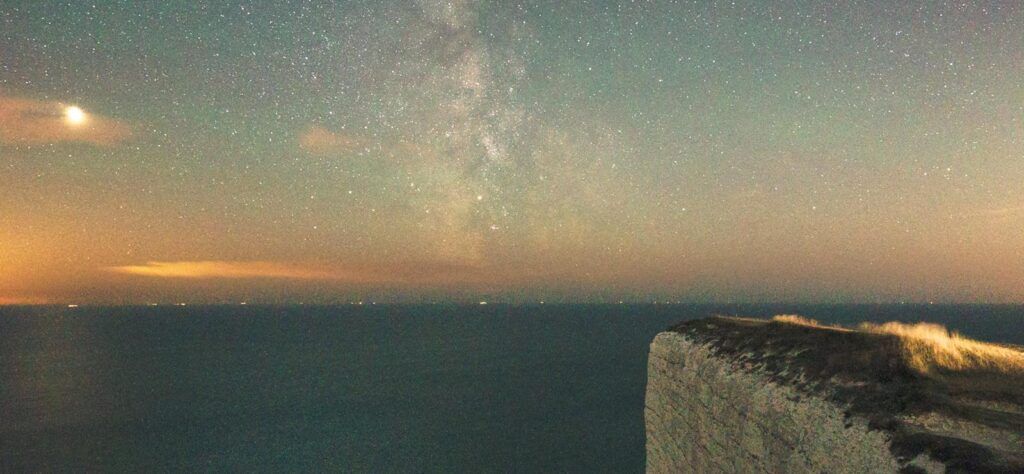
To help you develop the skills required to capture striking and vivid images of the glowing moon, dazzling meteor showers, and shooting stars, Sony has partnered with astrophotographer Andrew Whyte to provide some expert guidance and equipment tips. Andrew offers insider tips on positioning, equipment and style to help you capture the perfect shot.
“As more people have reconnected with nature and the world around them during recent months, interest in the sky at night is soaring, proving that you don’t need to be an expert astronomer or pro photographer to enjoy viewing the moon and stars,” said Andrew. “I’ve been shooting astrophotography for more than 10 years, and whilst not much has changed in the night sky during that time, the technology I use has moved on significantly.”
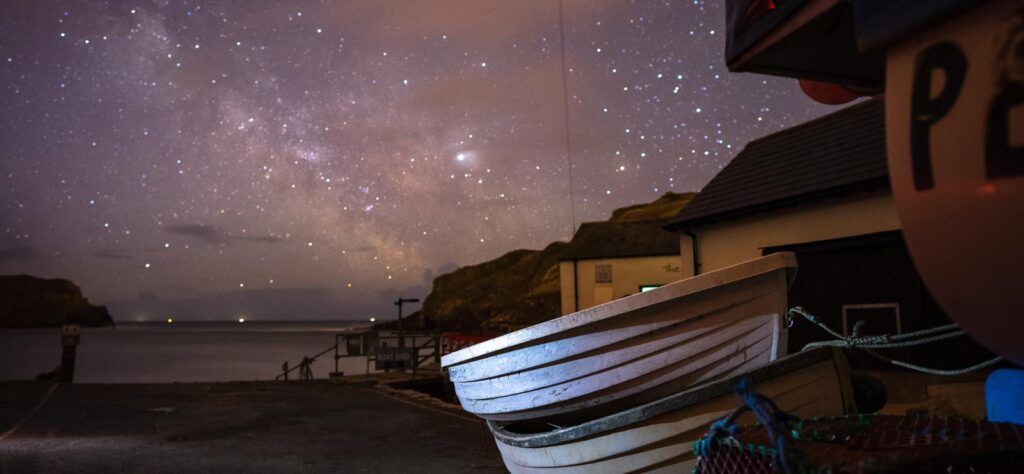
Andrew Whyte’s photo series has been shot using an array of Sony kit, including the α7R III camera with the FE 70-200mm F2.8 GM OSS lens.
“Sony has been at the forefront of those advances with a large and growing range of cameras & lenses that are ideally suited to low light conditions, making it more accessible than ever to capture incredible images of our universe at night.”
Andrew Whyte’s Top Tips for Astrophotography
- Choose an appropriate location: Somewhere away from immediate street lighting is ideal, whether that’s a garden, a local park or further afield. Choosing a subject for your photo, like a lone tree, a deserted skatepark or an old building will give your sky some context and connection with Earth.
- Think about the image you want to end up with: To shoot pinpricks of starlight, the Milky Way or star trails, a wide-angle lens is your friend. To capture the moon rising or setting against a distant landmark, you’ll want the greater reach of a telephoto lens. Whichever style you’re shooting, you’ll need a sturdy tripod to keep your camera absolutely stable and still – movement or vibration can ruin a long exposure image.
- Switch to manual mode if possible: As you’re heading to a dark location, you’ll want a camera that’s easy to use. With intuitive dials & menus and a touchscreen that can also flip out and rotate, the α7S III makes it as simple as possible to compose and set up for your shots, whilst its uprated battery promises the longest possible usage time between changes.
- Make sure your subject is in focus: It’s horrible to arrive home after an hour in the cold and dark night only to discover your images are blurred! The Sony α7S III features the most impressive autofocus system I’ve ever used, working reliably under moonlight conditions. For those occasions when I choose to focus manually, the camera’s digital viewfinder has tricks up its sleeve to magnify the subject and confirm when it’s sharp.
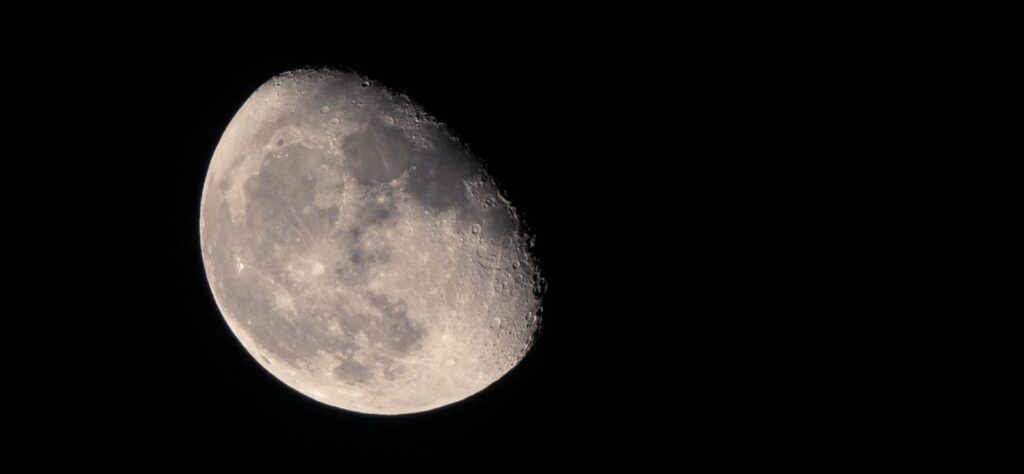
- Check your results: Look for a crisp subject and inspect the corners of your image to be sure the stars still look like stars. Sony’s range of prime and zoom lenses never fails to impress me, retaining definition and clarity all the way to the extremes of the image.
- Travel light: Shooting at night needs more equipment than in daylight- things like tripods, torch, spare camera batteries (and maybe even a flask of tea) all add bulk to your kit, so look to save weight elsewhere. The entire α7 range is compact without compromising on power, whilst the new α7C has redefined my expectation of a full-frame camera in a diminutive form.
- Be different: Sure, the wide apertures of Sony’s range of prime lenses are useful for capturing all available light but they can be a creative asset in their own right. The pick of the bunch for both light and creativity has to be the recently launched FE 50mm F1.2 G Master. With a wide aperture of f/1.2, it can gather more than four times as much light as many other prime lenses whilst also offering the flexibility to shoot evocative night-time portraits with the night sky beautifully blurred behind.
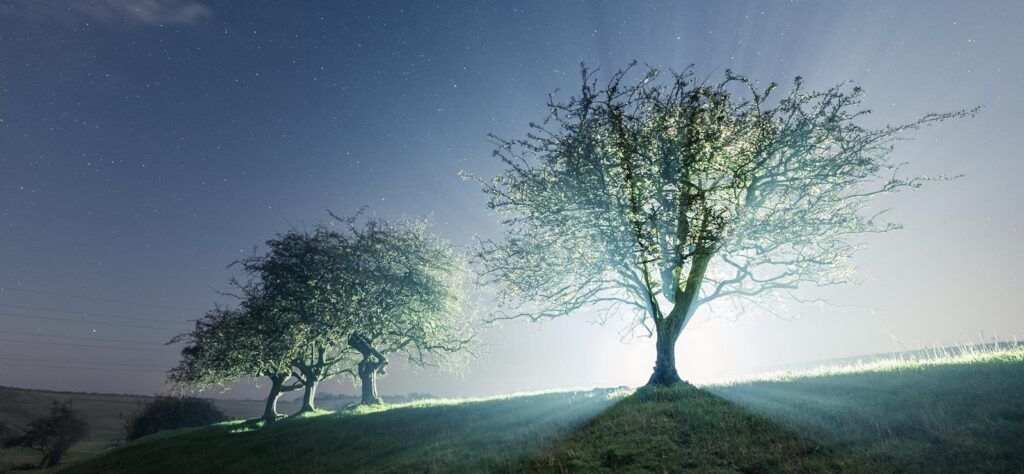
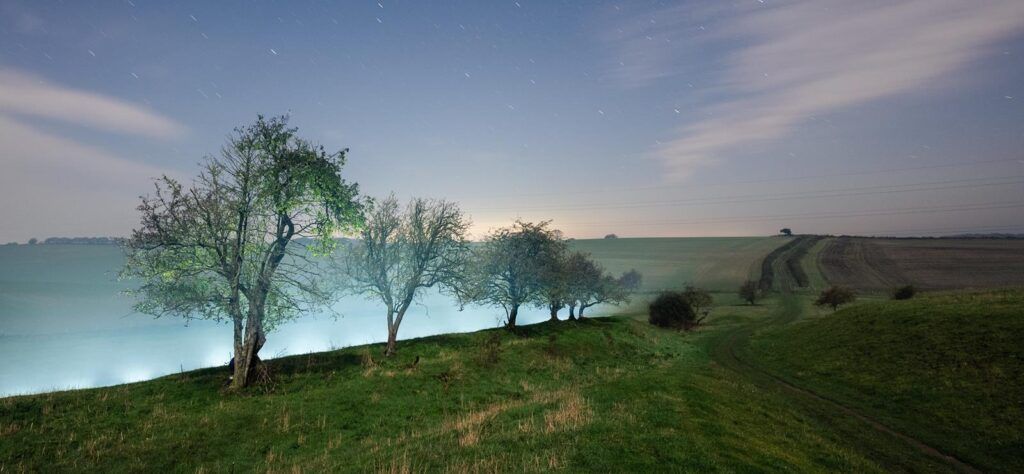
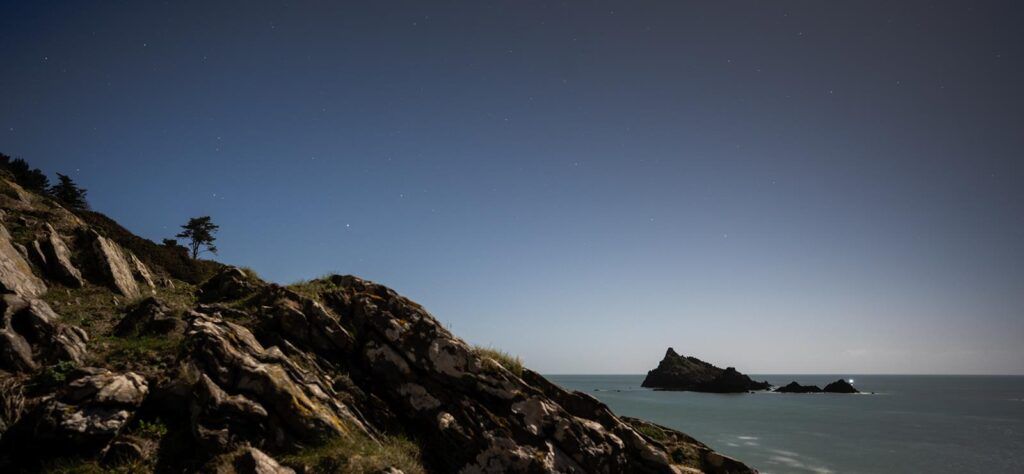
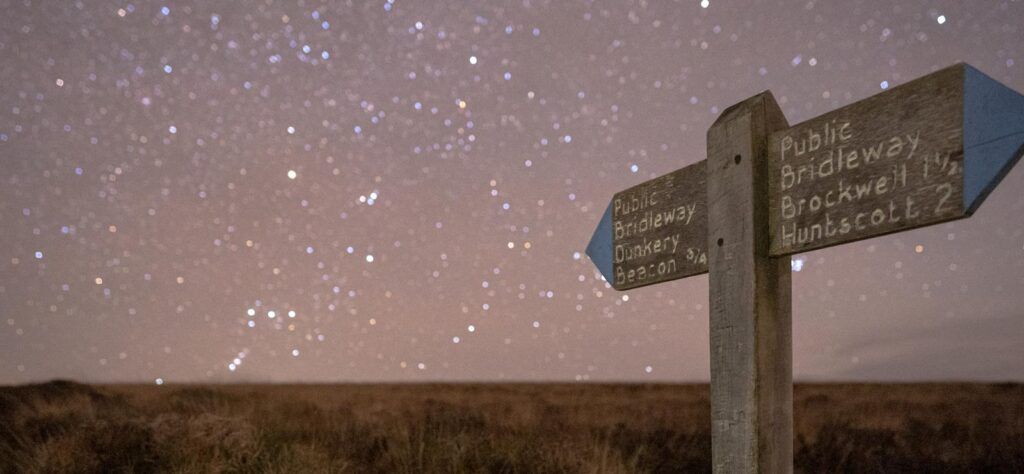
Andrew Whyte uses the Sony α7S III and Sony α7C cameras, available from Sony.co.uk or Amazon.co.uk, with recommended prices from £1,900. Lens prices start at £630.

- Gordon & MacPhail launches the Anniversary Releases collection - 24 September 2026
- Blackstone 36” Griddle with Air Fryer review: Outdoor Cooking Made Easy - 11 September 2026
- VIP Ski Confidence Week: Banishing the nerves and putting the fun back into skiing - 10 September 2026