

It’s more than 50 years since the police first put a breathalyser to the test on an unlucky motorist at the roadside in Shropshire. Before that, the criteria for prosecution for drink-driving were somewhat less scientific – whether you could touch your nose with your eyes shut, walk in a straight line or stand on one leg. The then socially acceptable nature of the crime, and relaxed enforcement of the rules, meant some 1,640 road fatalities were attributed to alcohol in 1967.
The Road Safety Act of 1967 set the maximum limit at 80mg of alcohol per 100mL of blood (0.35mg of alcohol per litre of breath). It became an offence for the first time to be in charge of a motor vehicle with a blood or breath alcohol concentration exceeding that limit, and deaths dropped immediately. They’re down to a little over 200 a year now, despite car ownership going through the roof, and that’s due to a change in attitudes and more rigid policing – more than half a million tests are now carried out each year.
While we all know a night out at the pub is not conducive to a safe drive home, it’s the morning after that can catch out even the most careful of drivers. The only way to stay safe is to avoid alcohol entirely, but personal breathalysers offer accurate readings to reassure you the next day, ensuring you’ll be safe and on the right side of the law.
In the name of science, I spent many hours drinking heavily to put a range of devices to the test…
AlcoSense NF Breathalyser
£3
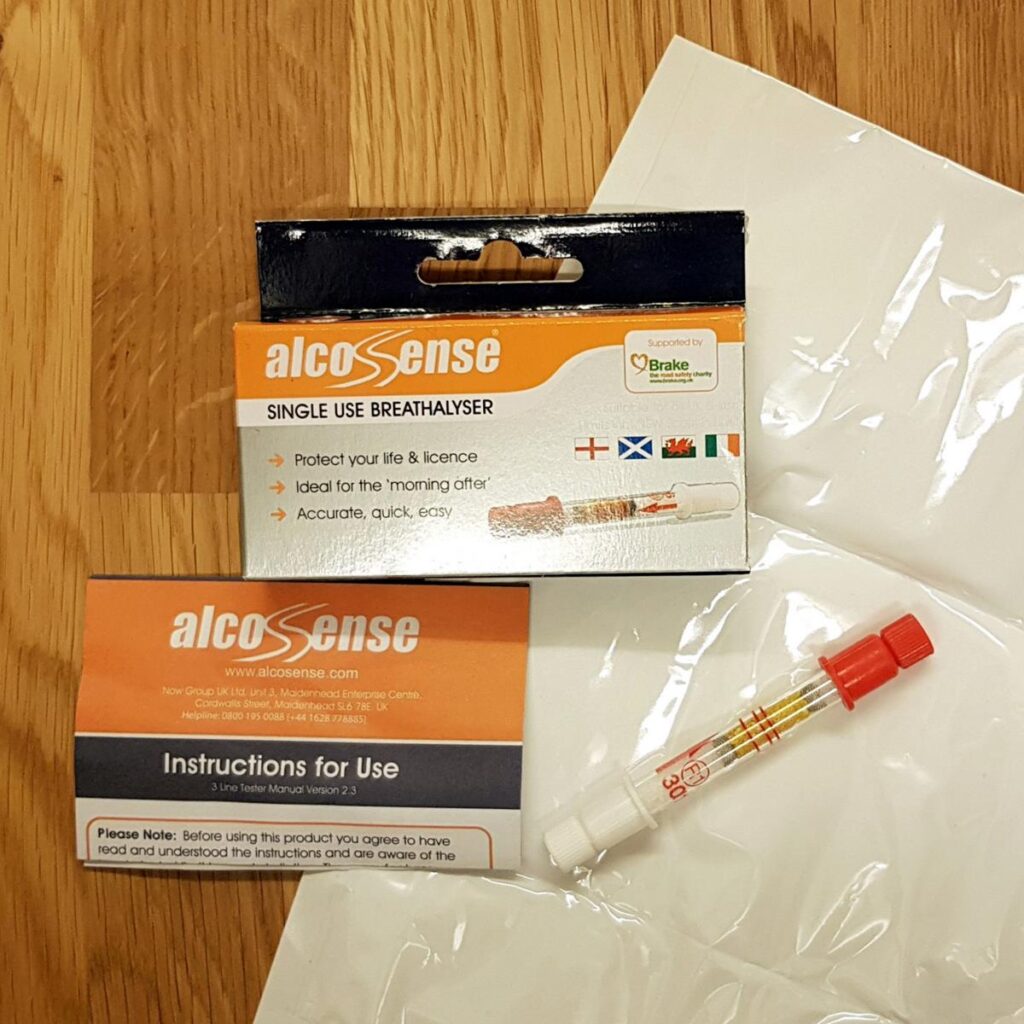
AlcoSense’s single-use breathalysers were a pain but met the legal requirements for driving through France, where you’re required to have one in the car.
Setting the test up wasn’t that easy, with the clear crystals in the stick spilling everywhere on our first attempt, and squeezing the air out of the bag you’ve blown in was surprisingly tricky, but the markings were unambiguous. Not bad for the cheapest device at just £3.
Verdict: 5/10
Not something to rely on, but enough to keep the Gendarmerie happy.
VicTsing GECA011AB
£10
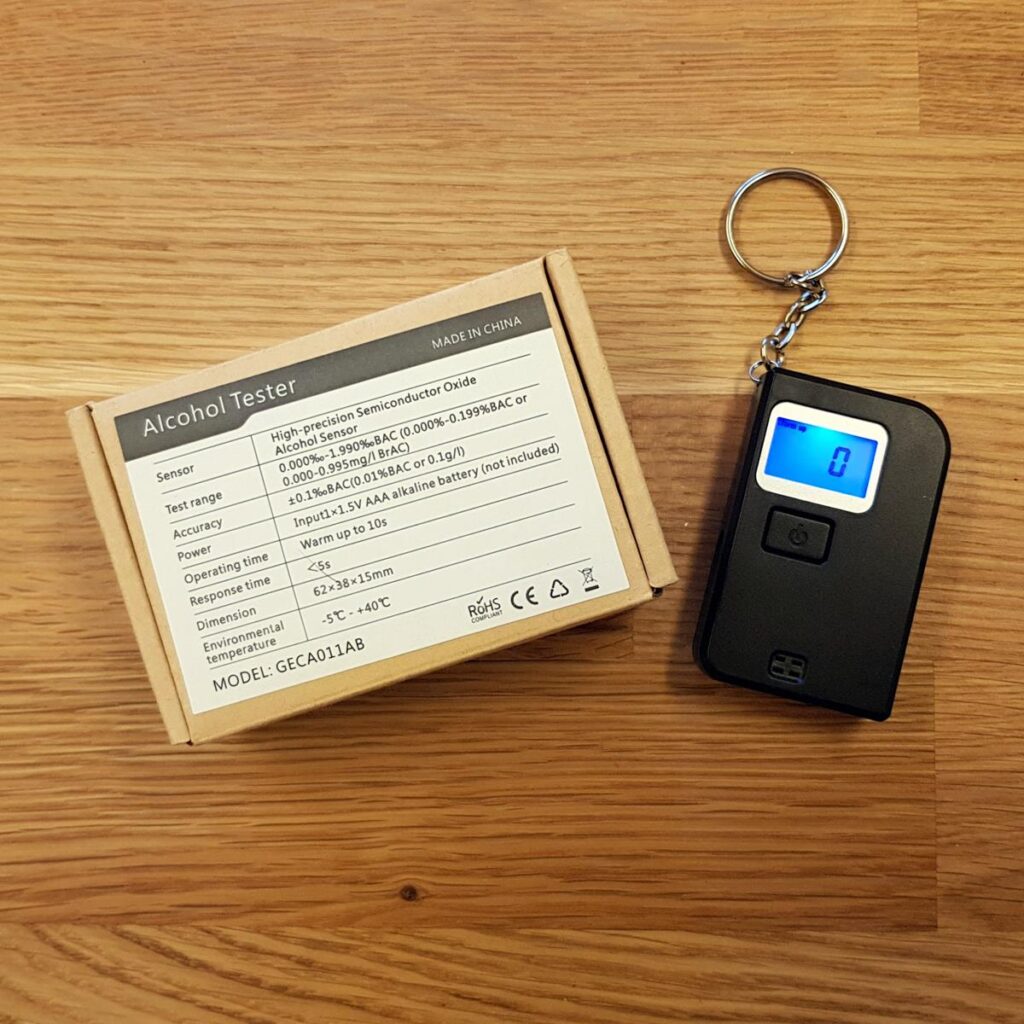
The £10 unbranded Chinese import from Amazon was less convincing. Advising the user to rinse their mouth out with water before use risks contaminating the sensor with moisture, and could lead to inaccurate readings.
In fairness, it was already assumed to be wildly inaccurate, reading more than double every other machine, but at least overestimated things. If being consistently inaccurate was a positive thing, then the VicTsing would have this test won.
Verdict: 1/10
Hopeless, but, in very minor defence, it did over rather than under-read.
AlcoDigital Neo
£100
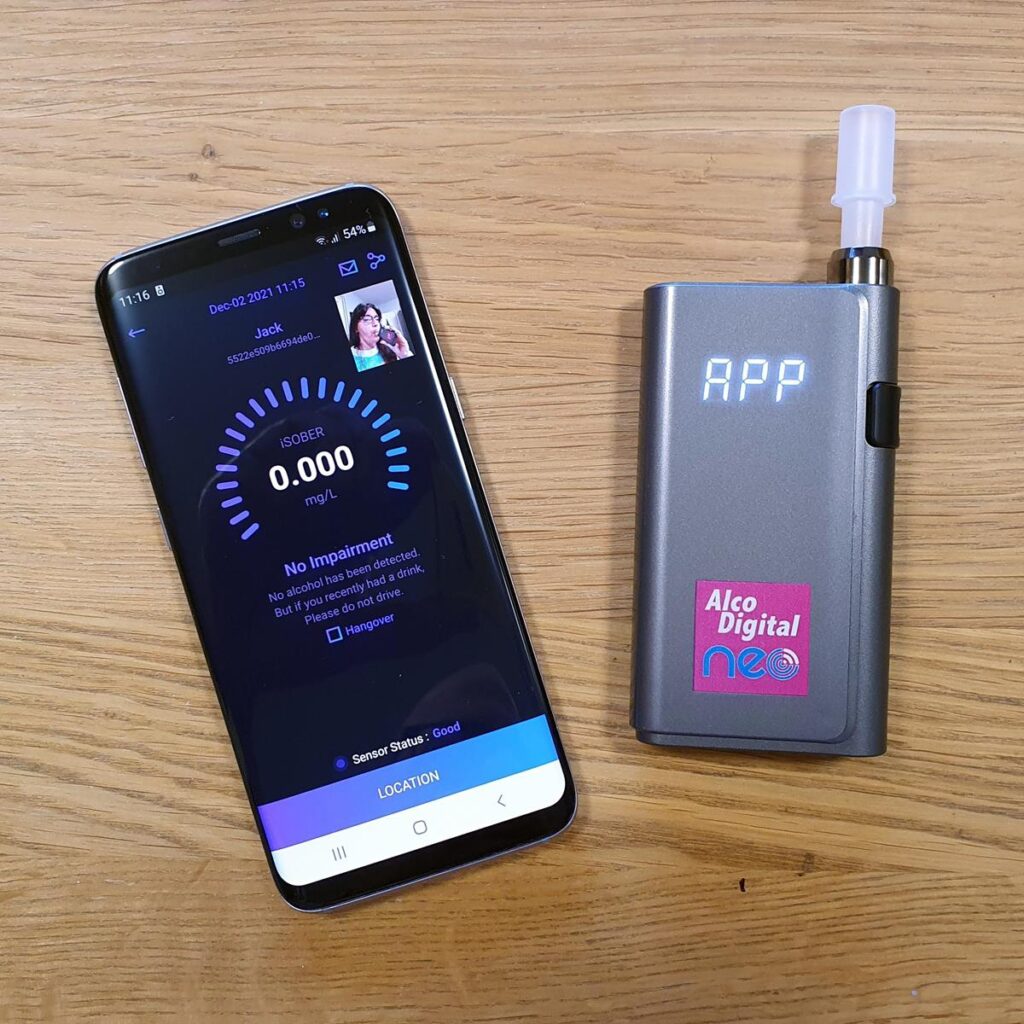
The Neo from AlcoDigital adds connectivity to the breathalysing process. While you can use the device as a standalone unit – and it’s very easy to do that, with just a single button and a clear unambiguous display – the ability to connect it via Bluetooth to an app opens up some interesting possibilities.
Chief amongst those is the ability for a fleet manager to ensure their drivers are safe out on the road. The iSober app controls the device, letting the user know when to blow into the tube, and how long for, but also takes a photo of the process. The photo, a map of the user’s GPS location and details of the reading measured against the limits in their area can then be emailed to a manager to provide an audit trail should there be an incident. It could also work well with parents monitoring children.
Outside of the app, the Neo uses a similar fuel-cell sensor to other premium models, which should ensure a reasonable degree of accuracy. AlcoDigital also recommends sending the unit for recalibration every 12 months, although this costs £29.
Verdict: 7/10
A bargain price with some great features for fleet managers and families. Getting the app and machine talking isn’t always easy, though.

AlcoSense Excel
£100
The compact Excel unit from AlcoSense does things slightly differently. It explains that it reads slightly too high to meet European guidelines and the tendency for readings on these fuel-cell sensors to drift downwards over time. The fuel-cell sensor itself is a mini version of that found in police equipment, so accuracy should be assured.
It then provides results with a clear green, amber or red screen that is entirely self-explanatory and leaves no room for doubt. The ability to change limits to meet demands across other countries (Scotland’s limit is lower, for example) is handy, while the compact casing, rugged build quality, comprehensive instructions and ease of use make it easy to recommend this £100 device, even with an annual service at £30.
Verdict: 8/10
Solid, easy to use and reliable. It’s a really well-considered product.
AlcoSense Pro
£150
It might look similar to the AlcoSense Excel, but does the Pro pack enough extra features in its shell to warrant an extra £50 on the asking price? A larger sensor than the Excel (which is a more compact, 121mm version of the sensor used in most police breathalysers) promises improved accuracy, with algorithms ensuring it never under-reads. There’s even a temperature sensor to compensate for changing conditions.
It guides the user through the process, with a ‘BlowCoach’ ensuring you don’t waste time and energy providing invalid samples. Take a reading each day, and it’ll be four months until the memory is full, so providing evidence to a fleet manager, for example, of your readings shouldn’t be a problem.
It’s an absolute cinch to use and provides unambiguous results. You’ll never be left in any doubt as to whether there’s any alcohol in your system, with the unit a green screen for zero or trace amounts of alcohol, amber for when there’s some potential impairment, and red if you get within 80% of the limit. Cleverly, in all circumstances where there’s a positive result, it estimates how long it will be before you’re clear and can remind you to take another test then.
It’s possible to spend more — the Ultra version is £250 and uses the same sensor as the police, while the AlcoDigital 3820 tested here hits £300 — but this AlcoSense Pro model represents an impressive balance between accuracy, usability and price, even with annual servicing at £30. It’s our recommended model for the morning after.
Verdict: 9/10
Promised improved accuracy and a stunningly easy to use unit mean this is, arguably, the best all-rounder.


AlcoDigital Platinum
£180
AlcoDigital’s Platinum device needs to be sent off each year for calibration, ensuring long-term accuracy, something that should be a given considering its £170 price tag.
However, it’s quick and easy to use and was unerringly consistent in its readings. There’s no way of changing the limits on the device though, so you’ll need to remember what’s what – bear in mind that the Scottish limit is lower than that of England.
Impressively, the fuel-cell sensor is replaceable, negating the need for an annual service. However, at £50 for a new clip-in unit, it’s more expensive than sending others off for updates.
Verdict: 6/10
A neat system but the inability to set local limits hampers its usefulness.
AlcoDigital 3820
£300
AlcoDigital’s semi-professional device, the snappily titled 3820, uses the same sensor as police equipment and is wrapped up in a compact unit that’s incredibly easy to use. Built by Drager, it’s a solid and unobtrusive device that promises impressive accuracy thanks to the 220mm sensor.
It feels solid, too, with a two-year warranty suggesting it’s more than skin-deep quality. It’ll only record the last 10 tests, though, but the readings were consistent, and the machine was incredibly easy to use.
Annual servicing is required at £29, and the £300 price tag is steep, but you’re paying for quality.
Verdict: 7/10
German quality doesn’t come cheap, but £300 feels a little too much.
