
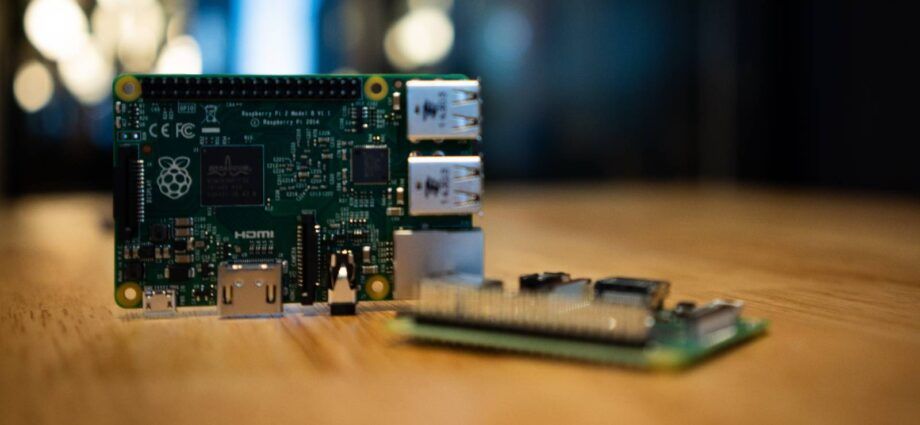
From the steam engine to Alan Turing’s pioneering work at Bletchley Park and Brit Sir Jony Ive designing the iPhone, the UK has a rich history of tech innovation. Now, another technology success has reared its head in the form of the phenomenally successful Raspberry Pi.
Since its first release, the low-cost Raspberry Pi microcomputer has built a huge global fan following and has also found its niche in some professional markets. It is an astonishing success for its creators – the small UK charity The Raspberry Pi Foundation – and is yet another testament to the UK’s innovative presence on the global stage.
What Is It?
Developed by Dr Eben Upton and a team of computer scientists from Cambridge University, the Raspberry Pi is a tiny computer – about the size of a credit card. It is a no-frills affair, which means it consists of nothing more than the motherboard and I/O (input/output) ports. You extend this base unit using add-on kits and other peripherals, building your own software or downloading any of the thousands of projects you can find online.

The system was initially created to be a low-cost way (they now range in price from £4-£35) in which children and young people could gain experience at coding without wrecking, or hogging, their home PC.
“We honestly thought we would sell about 1,000, maybe 10,000, in our wildest dreams,” Upton told tech website zdnet.com. “We thought we would make a small number and give them out to people who might want to come and read computer science at Cambridge.”
Despite Upton’s wildest dreams, that is not what happened.
Success Story
With modest ambitions, the team made 1,000 units available for launch. They set the purchase price at just slightly higher than the cost of manufacture to align with their ethos as a charity dedicated to getting people to code.
Before its release, the BBC ran a news article about the device, which was subsequently published on YouTube, quickly going viral and receiving over 600,000 views in a short time. The team then decided to boost production to 10,000 units, thinking this would be enough to cope with the demand.
However, that proved not to be the case!
The additional stock sold out within hours, and an additional 100,000 preorders were made. The team quickly raced to reach deals with Premier Farnell and RS Components (both electronics distributors) to meet demand.
Four years later and over eight million Pi units have been sold. The product has been through several iterations, and buyers can now choose between the Pi 2 Model B, the Pi 3 Model B, the Pi Zero, and the Pi 1 Model B+ and A+, all of which run variants of the Linux software OS (operating system).
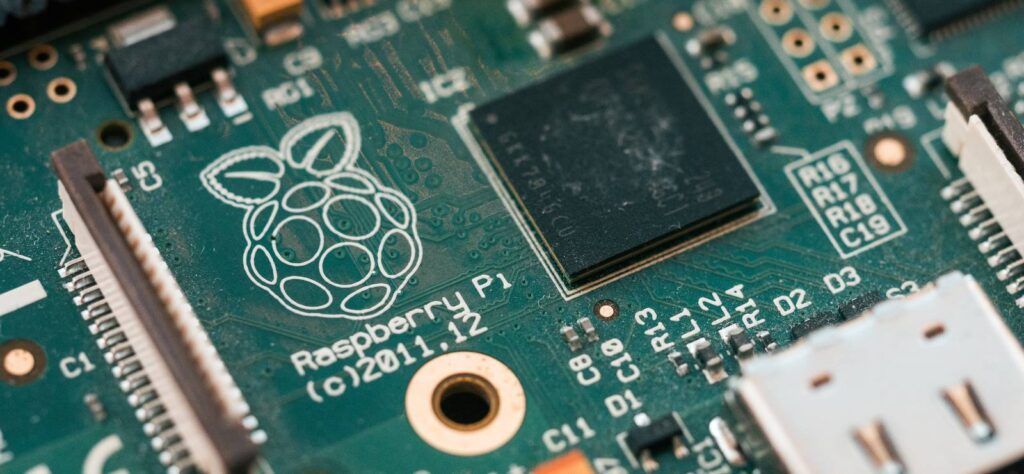
This great UK invention already has tens of thousands of enthusiastic hobbyist users worldwide (one-third in the US, another third in the UK and the remainder elsewhere) and is being deployed in education and the home, in business and beyond.
Of course, as far as the Foundation is concerned, the biggest measure of success is that hundreds of UK schools now use Pi computers in lessons; precisely what the founders had hoped for. The platform was recently extended to include the incredibly low-cost (£4) Raspberry Pi Zero, which runs a free, full OS called Raspbian.
Core Principles
The core principle at the heart of Raspberry Pi is DIY. You assemble the system, write your own code and create solutions based on off-the-shelf products.
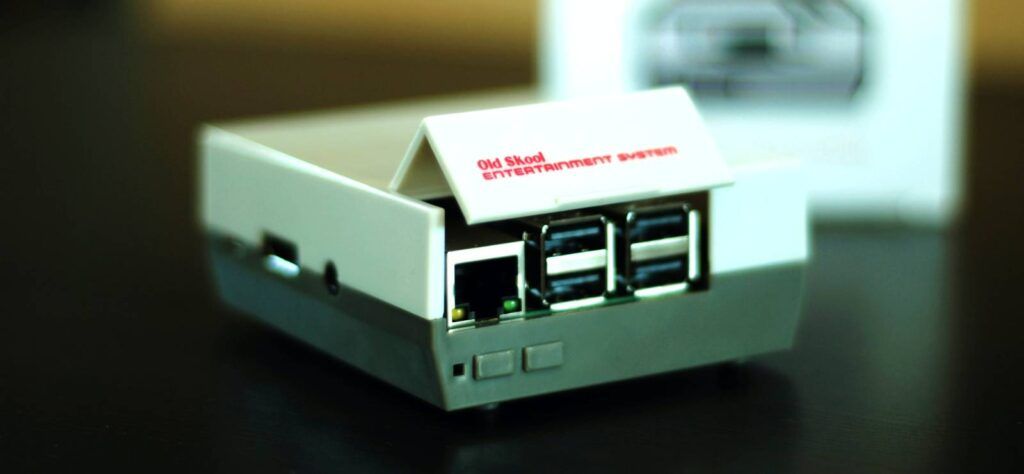
Most units ship with out-of-the-box programming tools, and you can download a variety of operating systems and even a stripped-down version of Windows.
Once you put your system together, you will find the core version of Raspberry Pi is powerful enough to stream 1080p video, quickly browse the web or run a word processor.
It is this challenging DIY ethic that has been so crucial to the appeal of Pi, which has attracted the same kind of enthusiasm as we saw surrounding the Acorn BBC Micro computers in the 1980s or even perhaps the HomeBrew Computer Club (which included the founders of Apple), that drove the invention of the personal computer in the 1970s.
Universal Recognition
Raspberry Pi is not just the realm of home hobbyists and home projects. Most recently, a Pi-based system developed by the University of Cincinnati and equipped with artificial intelligence beat tactical experts in a combat simulation, and the new, ultra-affordable Pi Zero has enormous potential for use in robotics and connected device projects: “There are places you can take this that you can’t take the original Pi,” Upton told Wired magazine.
This, if nothing else, shows how a very British technological revolution has become an international platform for innovation – a fantastic result no matter how you slice it up – and is probably why Dr Eben Upton received a CBE from The Queen back in June of this year.
Special Projects
The Pi community has developed a vast range of interesting solutions, from remote-controlled homes to near-space exploration, factory production, and consumer media systems. Online and in print, there is a wealth of literature and guides, which you and your family can use to assemble everything from media centres to games console emulators to pet feeders and even a project from a developer, James Puvar, which automates the process of making a cup of tea.
You can find out about all manner of interesting projects on Raspberry Pi’s highly active forums where you can find all the help you need to explore the fascinating, quintessentially British life of Pi.

- Driven: Rolls-Royce Ghost Series II — Luxury evolved - 6 May 2025
- Driven by vision: The Aston Martin Lagonda Series 2 revisited - 22 April 2025
- Ogio Introduces Limited-Edition Agave Ahora Golf Bag Collection - 25 May 2024