
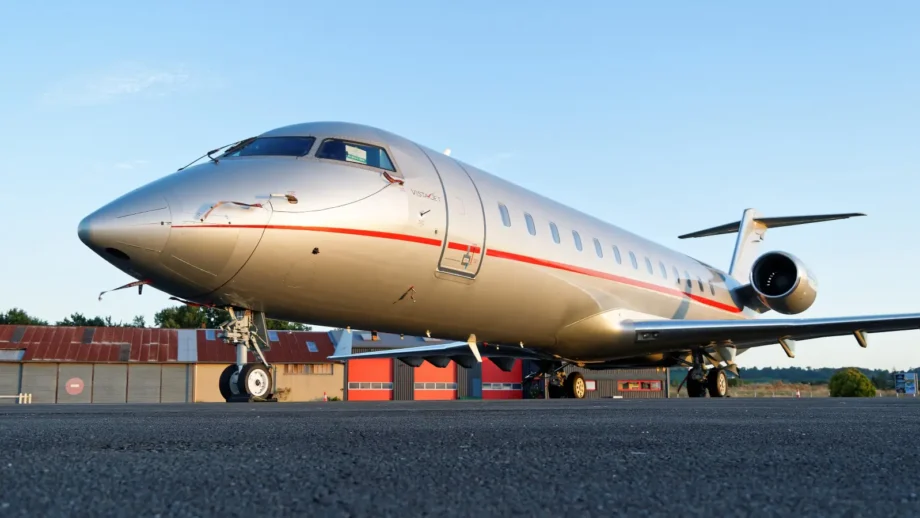
On the face of it, “How fast do jets fly?” sounds like a simple question. But there’s enough in the answer to fill volumes of books (and people have).
An important distinction to make is that asking, “How fast can jets fly?” would give you a very different answer to “How fast does the average jet fly?” Jets fly at different speeds at different altitudes, and — most importantly — different-sized jets have very different speeds, both at average and at top speeds.
Luckily for you, however, this isn’t a library; it’s a blog post. We’ll give you everything you need to know about the speeds of different jets without boring you to tears with talk of aerodynamics and speed/weight ratios. If you’re ready, let’s fly!

Factors To Consider
Although the air pressure is lower the higher you go, private jets do not operate in a vacuum. This means that they are affected by a range of differing factors, from altitude and weather conditions to the size of the jet and the countries they’re being flown in. For example, more private jets fly at a lower altitude in Europe than in the US, which means they cannot reach their top speeds because the air is much denser. Also, if you’re flying through a storm, then you’re likely to fly at a much slower lower speed.
Also, one factor that people often overlook when considering an aeroplane’s speed is the route taken. Due to wind speed and direction, flying from London to Paris might be slower than flying from Paris to London. So, because of all these factors, we can only talk in terms of maximum speeds and average speeds.
Choose Your Jet
Let’s look at a few different jets and their recorded fastest speeds to get a sense of the range we’re looking at. The Cessna Citation X+ is one of the fastest civilian jets on the market. It almost breaks the sound barrier, reaching speeds of up to Mach 0.935. This equates to almost 700mph. These impressive speeds do come at a cost, however, and poor sales indicate that many would opt for the enhanced comfort of other Citation models, rather than spending more for a short reduction in travel time. The Gulfstream G700 offers similar speeds while offering a maximum cruising speed of around 600mph.
The Dassault Falcon 8X is another jet that’s one of the quickest in its class, cruising at a blistering top speed of Mach 0.9. Operating at altitudes of up to 51,000 feet, the 8X can bypass typical air traffic and weather disruptions, giving it a speed advantage on long routes. Its shorter takeoff and landing distances allow it to access smaller regional airports, cutting total journey times significantly. The Falcon 8X is engineered for speed and distance without compromising either.
All of the above are light to medium-sized jets. Turboprop jets, which are smaller and more agile, tend to be a little slower. Single-engine jets like the EPIC E1000 GX or the Pilatus PC 12 NGX often reach between 290–360 knots, which equates to around 300mph. This is significantly slower than the jets referenced above, but they can be much more efficient for shorter routes.
How Fast Will the Jets of the Future Become?
The next wave of private jets promises a leap forward in speed, efficiency, and design, redefining business aviation for the modern age. Among these is Bombardier’s Global 8000, slated for release in 2025. With a top speed of Mach 0.94 (721mph), it’s set to become the fastest private jet, offering an unprecedented range of 8,000 nautical miles. It’s designed to connect city pairs like London to Perth or Singapore to Los Angeles without refuelling, and its zero-gravity seating redefines luxury.
Dassault’s Falcon 10X, also arriving in 2025, promises speed and versatility. With a cruising speed of Mach 0.85 and a range of 7,500 nautical miles, this twinjet combines advanced avionics with the tallest and widest cabin in its class, ideal for long-haul business or personal travel.
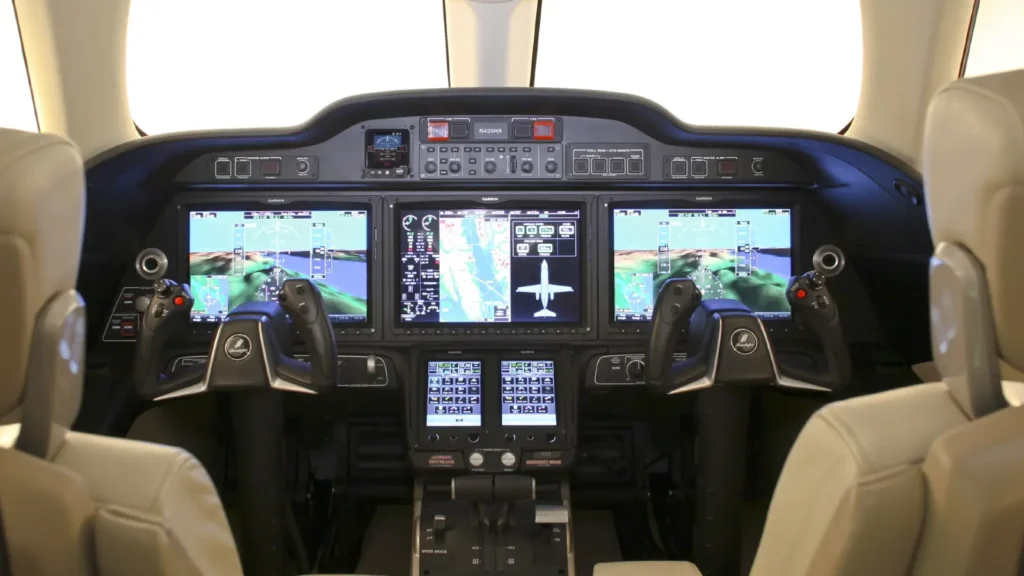
For those seeking agility and efficiency, the HondaJet 2600 targets the light jet market with a transcontinental range of 2,625 nautical miles and a maximum speed of 450 knots (around 520mph). Its modular cabin design offers customisable comfort for up to 11 passengers, bridging innovation and practicality.
Even turboprop designs are embracing high-tech enhancements. The Cessna Denali, powered by the GE Catalyst engine, boasts speeds that rival light jets (330mph) and the operational flexibility of landing on shorter runways.
How Fast Do Jets Fly? Pretty Fast
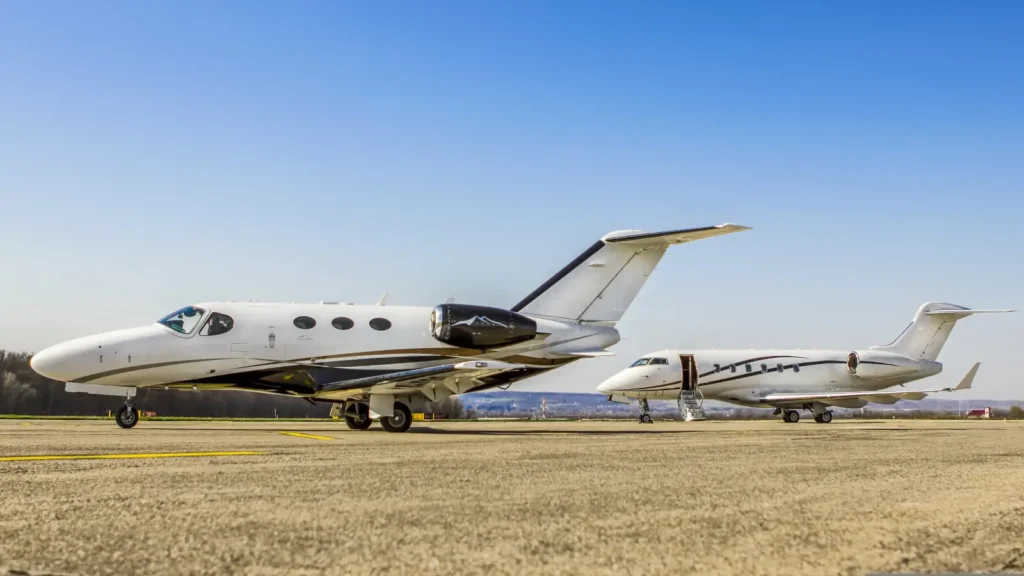
So, we now know that while they come in all shapes and sizes, fly at all altitudes, and operate in a wide range of weather conditions, the bottom line is that modern jets fly incredibly fast. They average between 500–600mph, and they’re only set to get even faster.