

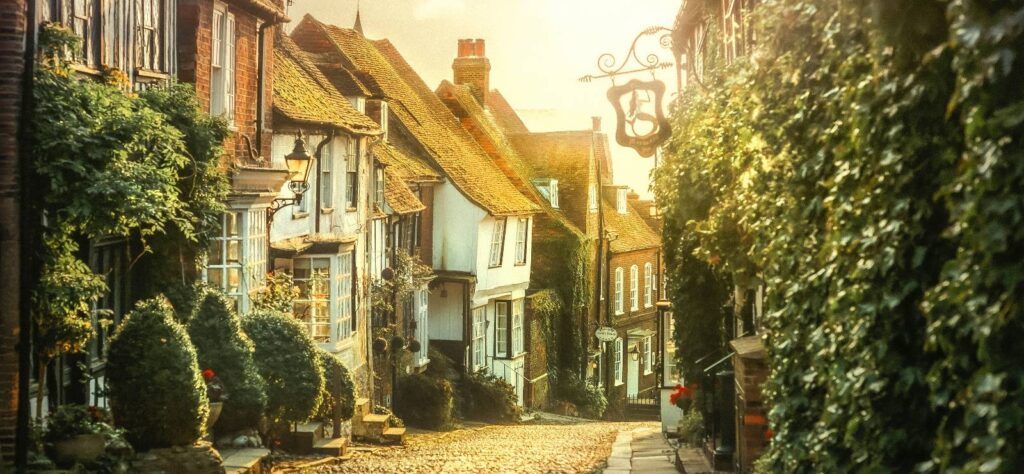
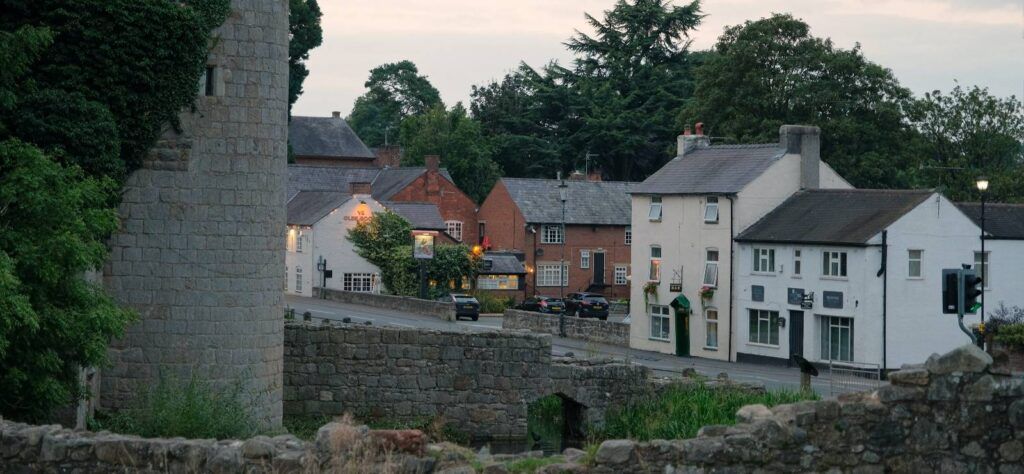
Thinking of an English country cottage takes our imagination back to a time depicted in the works of Evelyn Waugh and Charlotte Brontë, perhaps even to the places that inspired The Shire in JRR Tolkien’s Lord of the Rings.
As a part of our English heritage, they are easy to romanticise, with their unique and pretty architecture, charming locations and promise of a more straightforward and calmer lifestyle. So, it is of little surprise that many of us are looking to purchase one, either now or in our later years.
Furthermore, there are often sound economic reasons for purchasing an English country cottage as either a primary or secondary home in the UK.
According to statistics released by Visit Britain , in 2015, there were 36 million visitors to the UK, an analysis of which shows a 5% increase year-on-year. Naturally, these visitors pumped a healthy sum of money into the British economy to the tune of £22 billion – a figure which has been increasing year-on-year since 2003.
These visitors searching for an authentic slice of English living will need somewhere to stay, all of which makes the British cottage holiday industry an attractive proposition for many homegrown investors.
Graham Donoghue, the CEO of British Travel Awards winner Sykes Cottages, is very aware of the potential benefits of owning an English cottage: “There are lots of attractions and benefits to owning an English holiday cottage, but the most obvious is that you’ll have your own holiday home to visit and enjoy, and one that also pays for itself. Most of our owners use their cottage from time to time for their own holidays or for their family and friends’ use.
“In comparison with owning a long-term let, holiday cottages are often more appealing as they offer much more flexibility and easier, more frequent access to your property. In terms of income, holiday cottages offer the potential for year-round income and capital appreciation, making them a very attractive prospect.”
Mr Donoghue also warns that, although you may be purchasing the property as a holiday home, it is still important to think about what prospective holidaymakers will be looking for and to ensure the property is suitable for all concerned: “Obviously location and appearance is a really important factor for holidaymakers – from the summer boom of tourists heading to Cornwall, to the year-round pull of Anglesey and the Lake District, a property in a popular holiday destination is the best way to roll in the bookings and maximise your returns.”
This sentiment is echoed by James Morris, managing director of the Visit England quality accredited lettings company, Holiday Cottages, who says: “When managed right, a pretty holiday home can generate large profit margins for the owner of the right property, location and specifications of criteria are met. If you choose a property in a great location, furnished and fitted to a high specification, then you should be rewarded with numerous bookings and a good steady income throughout the year.”
Of course, there are things to consider when you come to letting your cottage out. Firstly, you may wish to make personal use of your property during the peak summer months or perhaps let it out to family and friends – but bear in mind that doing so will eat into your profit margins. Secondly, it will be up to you to maintain the property and any damage that befalls it and, in particular with older properties, these repairs can be very costly.
However, there are ways to manage these issues, says Mr Morris: “Even though holiday letting can be hard work, you can invest further to minimise your workload. By hiring an agency to manage your bookings and payments, by hiring management companies to clean your property and by providing guests with as much information as possible in the property itself, you will be able to limit the amount of work required on a day-to-day basis.”
With the recent Brexit vote and the seemingly ever-changing state of the British economy, it may not feel like the best time to be getting involved in property, but, according to Mr Donoghue, the market has been showing steady signs of improvement: “Over the past five years we’ve seen growth year-on-year in property recruitment, with potential new owners calling in every day, showing that interest in the market is still going strong.
“We’ve also seen a big increase in calls from people who are thinking of buying a holiday home and looking for our advice, as opposed to those who already own a holiday home. This increase in interest regarding holiday rentals suggests holiday letting is becoming a more popular form of investment here in the UK.”
While it is still too difficult to make a fair assessment of how Brexit will affect the holiday homes industry, the initial effects have seemed to reveal an opportunity for savvy investors.
“The effect of Brexit and the lowering of the Bank of England’s interest rate means more people are buying property to let on a short-term basis,” explains Mr Morris. “However, if you concentrate on providing a higher quality of accommodation, you will always be top-of-the-pile when holidaymakers choose where to spend their hard-earned cash.”
Regardless of whether you want to purchase a cottage as your primary home, as an idyllic English retreat or just as an investment, one thing is for sure, there will always be a demand for these icons of English living.
Maybe it is time you planned your very own escape to the country.

- Driven: Rolls-Royce Ghost Series II — Luxury evolved - 6 May 2025
- Driven by vision: The Aston Martin Lagonda Series 2 revisited - 22 April 2025
- Ogio Introduces Limited-Edition Agave Ahora Golf Bag Collection - 25 May 2024