
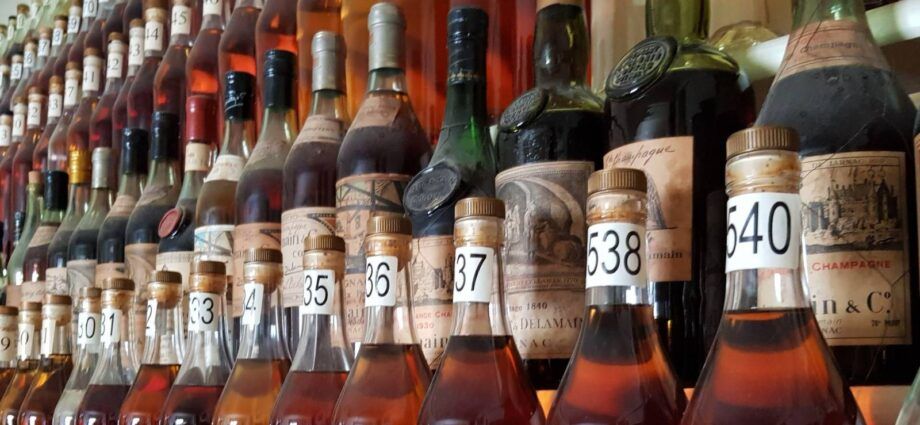
Good things come to those who wait. Matt Pym finds out if Delamain Cognac is worth waiting for…
In the wine world, there is a dangerous preconception that the older a wine is, the better it is — the better it will taste. Unfortunately, this is only true of a tiny percentage of all wines made — most wines are designed to be aged for about as long as it takes them to get from the bottling line to the shop shelf. Even those designed for the long term have a limit.
I’ve been fortunate enough to taste some incredible wines from the 19th century and early 20th century in my time. They were remarkable for still being alive, and tasting them was intellectually stimulating and exciting for them being just so old, but were they ’a pointe’? No, it was always clear to me that they would have been better about 50-odd years ago.
Buying mature wines when at the peak of their powers is a rich man’s game, but buying them young and storing them oneself brings all sorts of logistical and financial burdens, too, not to mention having to resist the temptation to open a bottle or two, just for research of course. So how refreshing it was to discuss the nature of ageing recently with Charles Braastad, MD of the historic and ultra-premium Cognac house, Delamain.
Irishman James Delamain arrived in the region in 1759, soon making a reputation for himself as an innovator and producer of fine Cognac, and started a dynasty based around this noble drink. Delamain today is managed by Charles, the 9th generation of the family to be involved. Recently, long-term friends of the Bollinger family (who know a thing or two about making outstanding booze) became majority shareholders, underlining the quality and reputation of Delamain.
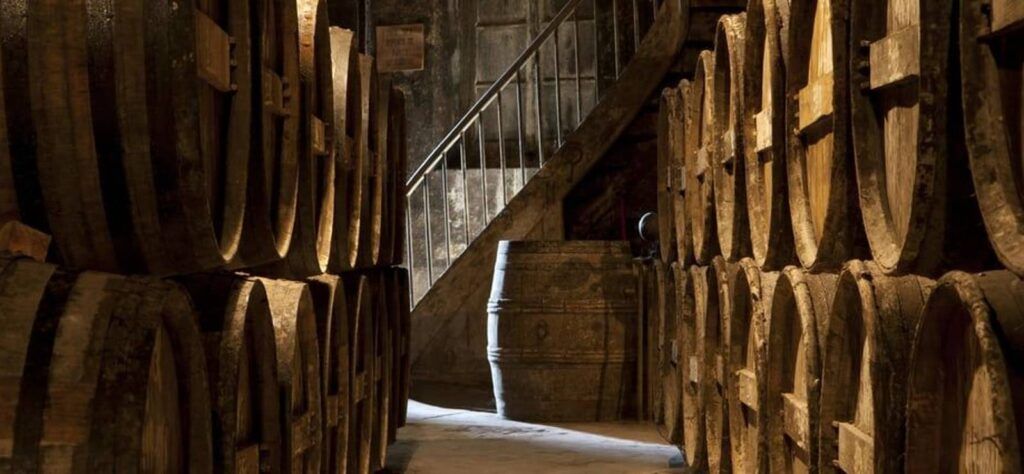
For Delamain, the key to their quality and consistency is down to a few simple things. All their grapes that produce the base wine from which the brandy is distilled come from the best part of Cognac, the Grande Champagne region. But Charles attributes only 25% of the final quality to the ‘terroir’. For him, the key is the long-term ageing in very old oak barrels (which impart less aggressive colour and tannin into the spirit), the particular conditions of the cellars (with correct temperature and humidity) and the deep knowledge of the distillers and the master blender Dominique Touteau.
At Delamain, entry-level means XO, and not just any old XO either. Their Pale and Dry XO has to age for a minimum of 25 years in oak before being bottled and released to the market, whereas the regional standard is 10 years. This obsession with time comes at a cost and can’t be great for cash flow. It also means that it’s vital that the next generation is fully involved, as the eaux-de-vie being put to barrel now will often outlive the career of the current master blender and his team! Delamain describes this as “understanding the importance of intergenerational wisdom.” Finally, it’s about quality control — only using the best of everything and keeping volumes at a level where it is truly handcrafted. There are 207 million bottles of Cognac sold annually — Delamain sells around 100,000 bottles.
Understandably, Charles seems a little bemused by the current obsession with ‘craft spirits’. With a perplexed Gallic shrug, he says, “…but we have been doing this for 200 years. These are the original, handcrafted spirits, not about marketing hype or the ‘bling-bling’!” I sensed a frustration that the true artisanal nature of his Cognac is somewhat lost amongst a load of noisy, shoutily packaged, ‘craft’ upstarts!
Much of their philosophy is summed up by their latest release. Interestingly, this is not a blend but rather a single vintage Cognac, which only an exclusive number of producers are legally allowed to make. Typical of Delamain, they have made just one barrel of this (yes, just 238 bottles), which has literally been under lock and key (a lock on the valve with sealed wax over the bung) since being put to barrel in 1979. Once a year, the seal was broken, the liquid tasted, and then re-sealed again until finally it was deemed ready to release. Charles describes “the perfect Cognac as a blend, showing the house style and the blender’s skill, but a vintage Cognac is different, more powerful, more singular. It is a gift from nature that’s been 40 years in the giving.”
Fortunately for us, they do all that waiting, and we can pop online or into a store, and it’s ready to drink!


Delamain Pale and Dry XO Cognac, Grande Champagne
£90–£100
Only aged in old oak barrels so as not to extract too much colour from the wood (Pale) and without adding sugar syrup or caramel (Dry), the style for Pale and Dry was set in 1920.
Since then, each master blender of the House has had the enviable task of maintaining this style through the careful and skilful blending of their eaux-de-vies, tasting literally every day to ensure that all is progressing to plan. Tough work.
The result is a delicate and gentle Cognac, full of marmalade, figs and light citrus notes that dance across the palate.
The palate is warming with spices added to the mix, whilst the finish is gentle and luxurious. Just right for sipping in front of the fire and talking bollocks deep into Boxing Day morning.
Delamain 1979 Cognac, Grande Champagne
£600
Just one barrel made, which translates to 238 bottles. From a single vineyard in the tiny hamlet of Malaville in the heart of the Grand Champagne region, this has been sitting in a barrel for nearly 40 years, gently maturing.
The nose gives up figs, orange peel, jasmine, coffee and hazelnuts.
The palate is very powerful, rich, mouth-filling, warming and spicy, but incredibly smooth, and the finish is forever.
- Driven: Rolls-Royce Ghost Series II — Luxury evolved - 6 May 2025
- Driven by vision: The Aston Martin Lagonda Series 2 revisited - 22 April 2025
- Ogio Introduces Limited-Edition Agave Ahora Golf Bag Collection - 25 May 2024