
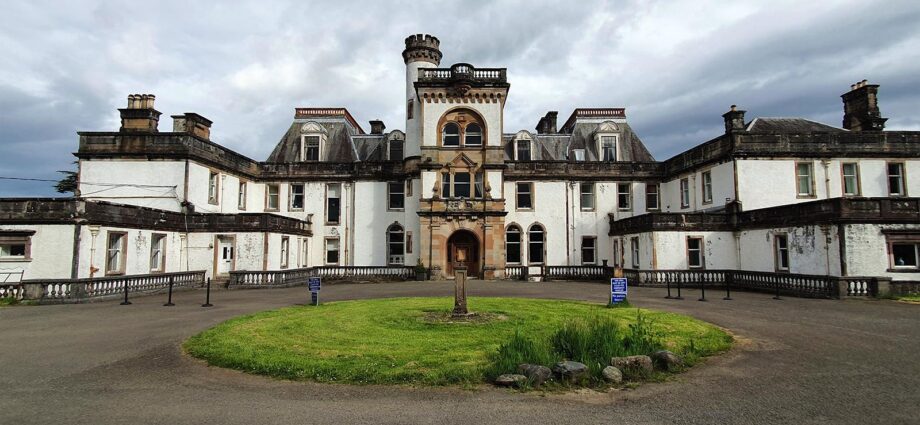
There is a frustrated artist inside most of us, just waiting to be given the opportunity to shine, says Sam Huff. What better way to embrace that inner Picasso than by immersing yourself in a residential art course, and where better to do it than in the Scottish countryside? We took just that opportunity at Gartmore House, just outside Stirling, under the expert tutelage of established artist Suzanne Kemplay.
Why a residential course? Firstly, while the learning experience can be concentrated and intense, it keeps you in the zone rather than having the same amount of learning spread over several weeks. Secondly, it’s a bit of a holiday – or, at the very least, a change of scenery.
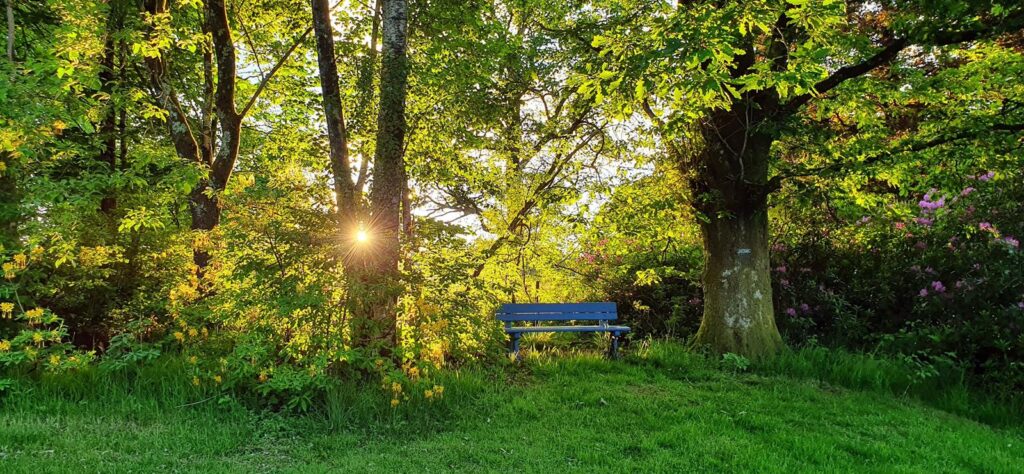
Gartmore House: The Course
I signed up for the four-day landscape painting course and, with the beautiful surroundings of Gartmore, it was a good choice. Our tutor for the week was Suzanne Kemplay , an Edinburgh-based artist who graduated with a degree from Duncan of Jordanstone College of Art in the late 1980s. Kemplay was well-positioned to guide us in the production of our masterpieces.
The landscape painting course is suitable for all abilities, and covers – for the most part briefly, but still thoroughly – everything from the basics of composition, tones, use of colour and colour mixing, through to application techniques and finishing the piece.
That might sound like a lot to cram into just four days, but it never felt rushed or incomplete and, as we were working in a small group of just seven would-be and improving artists, there was plenty of time to cover things in more depth if required.
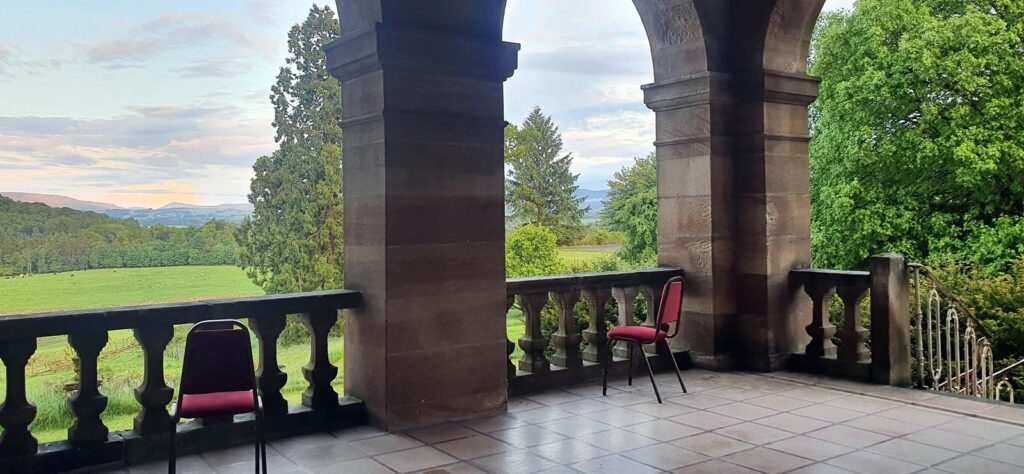
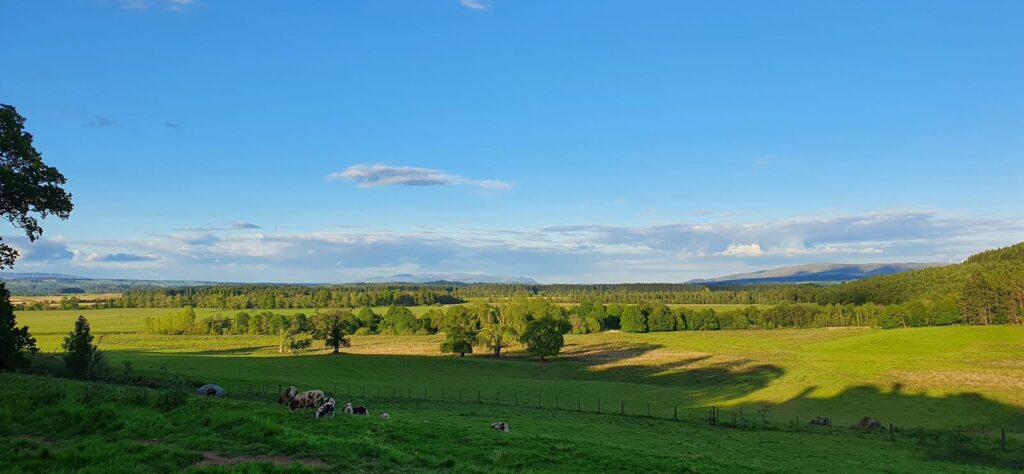
Happily, the weather was particularly kind (not something that’s guaranteed in Scotland) so we could get out into the grounds of Gartmore House and find a landscape view that we wanted to capture. If you aren’t as lucky and the weather isn’t playing ball, the studio has several large, almost floor-to-ceiling windows, so you can still create a painting from the sanctity of the dry, warm house.
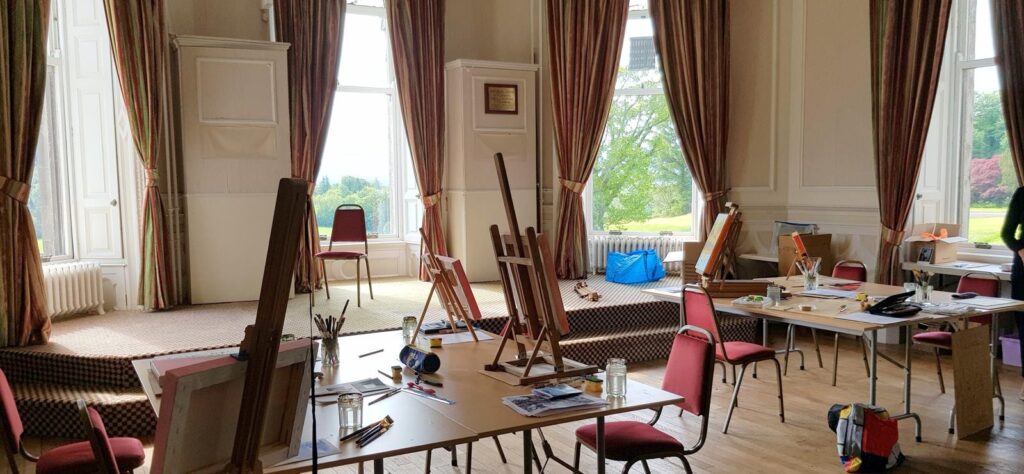
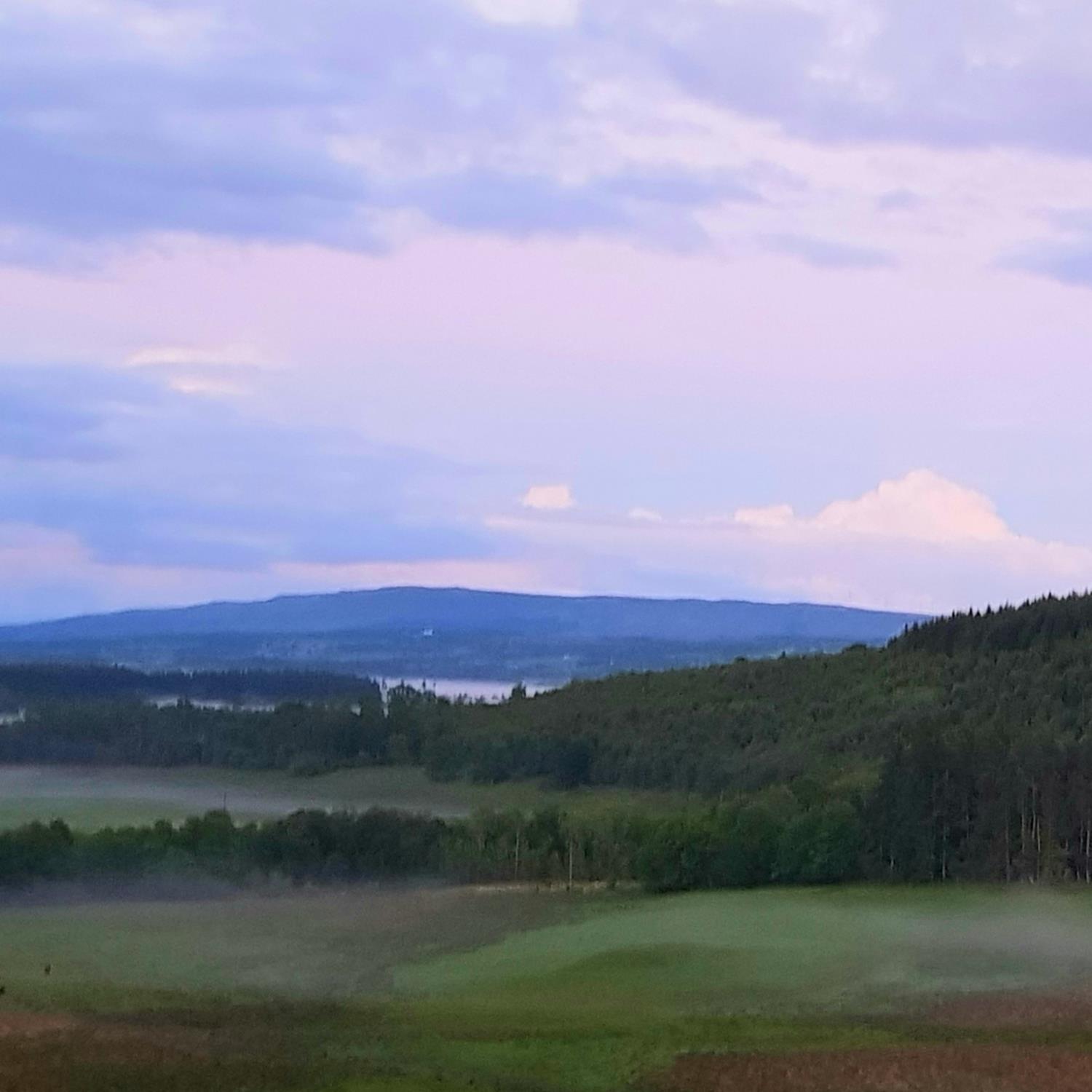
Suzanne was keen to get us as immersed in the area as possible, encouraging us to take it all in and produce pencil and colour studies before putting brush to canvas for the final composition. This approach was perfect for reintroducing those whose skills may be a little rusty, and allowing a little practice and honing under the guise of scoping out the subject – something I found particularly helpful.
As a tutor, Suzanne provided plenty of support and encouragement where needed, adapting activities to play to individual strengths and allowing us to concentrate on what we had hoped to achieve, even if that was a deviation from the original plan. This was her first course delivered at Gartmore House, so while she got used to her new environment, following the plan was perhaps not quite as slick as it could have been anyway, with activities taking a little longer than they should have to be set up. This is, undoubtedly, a small issue that will be resolved before the next course as familiarity and working relationships are forged.
Overall, the experience of the acrylic landscape painting course at Gartmore House was a hugely positive one. It didn’t feel overly taxing, running from 10am to 4pm over the four days, with a break for refreshments in the morning, and an hour for lunch too.
The small class sizes are helpful, particularly for novice artists such as myself, allowing plenty of time with the tutor so that skills can be developed, as well as creating a supportive atmosphere within the studio.
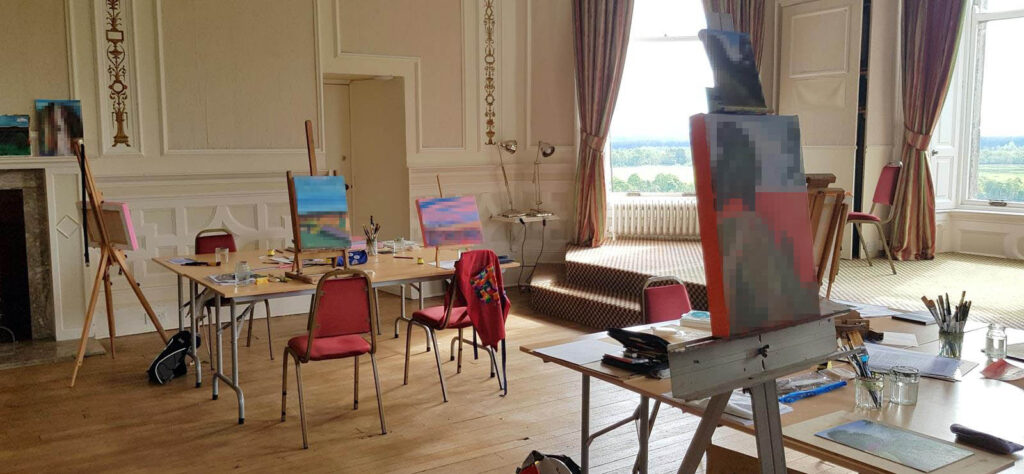
All of the equipment you’ll need is provided, so there is no need to worry about lugging paints and easels if you’re travelling to attend, just throw in your paint-splattered apron and you’re good to go.
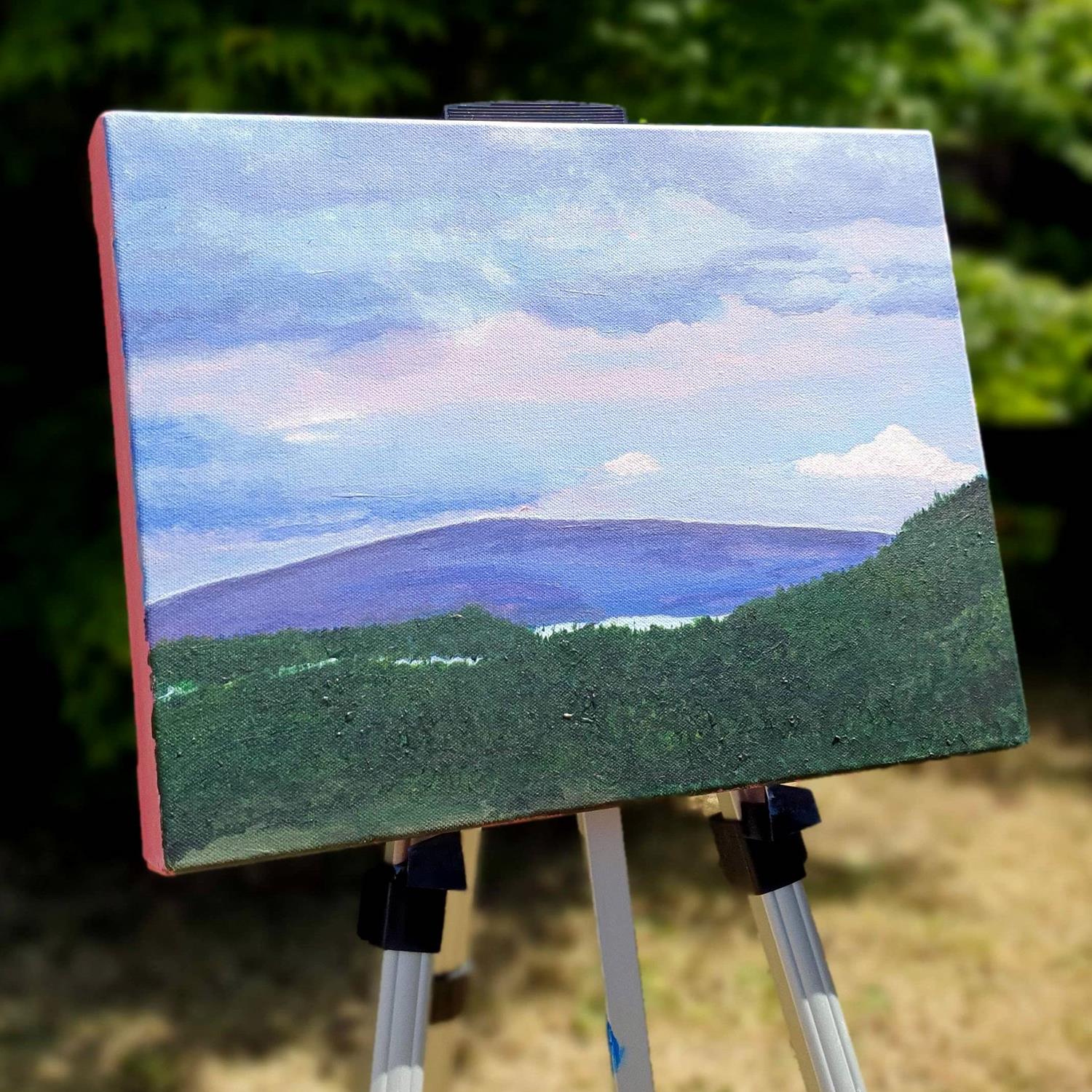
Ultimately, the proof is in the painting. From a starting point of zero training and little experience, the finished landscape speaks volumes for how much even a short course can improve an artist’s skills. I’ll leave you to judge my artistic skills, but don’t doubt there’s been a huge improvement!
Gartmore House: The Accommodation
Gartmore House has a colourful history. Built in 1793 by the Graham family, it was occupied by the army during the second world war, spent some time in the 50s as a catholic school for wayward boys – a period which included its share of scandal – and was the base for a religious cult in the mid-1980s. RB Cunninghame Graham – founder of the Scottish Labour Party – took ownership in 1883.
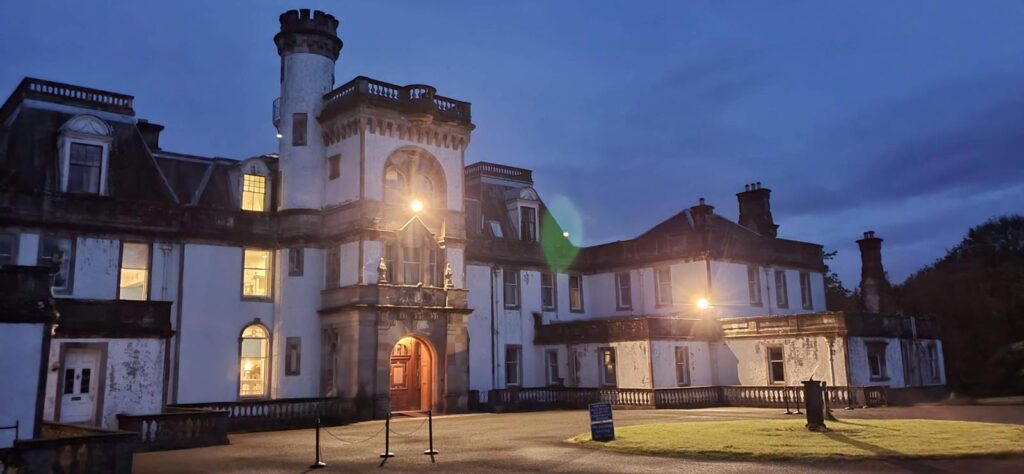
Jump ahead 100 years and, in the late 90s, current owner Peter Sunderland took over the house, intending to use it as a conference centre and activity centre. In 2000 it became a charitable trust, and now offers 40 different crafting retreats, including watercolour and acrylic painting, knitting and crochet, calligraphy, photography and upholstery. The facilities are also used by schools, orchestras and religious groups, so there’s always something happening.
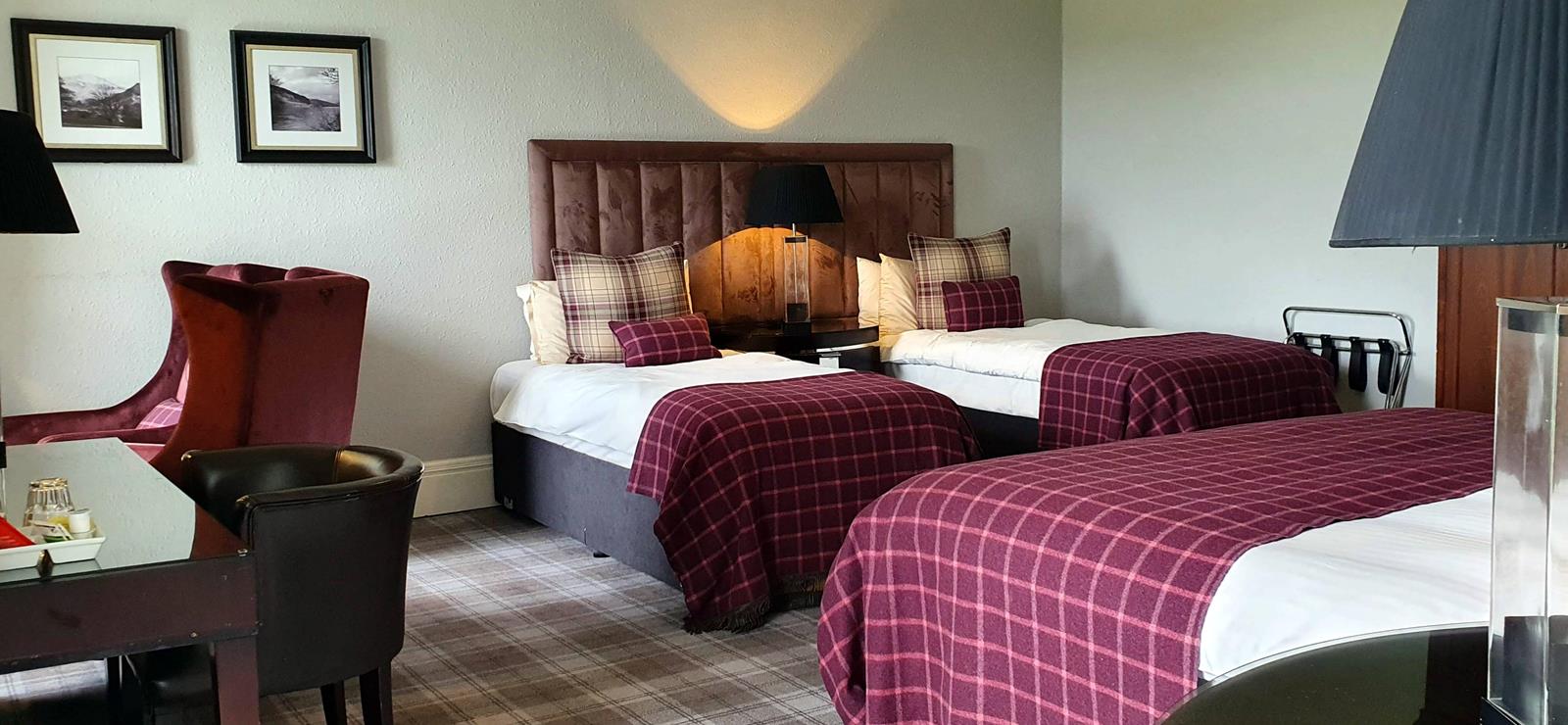
Despite its storied history, and glimpses of the opulence and grandeur that once were synonymous with the house, expectations of five-star luxury should be put to one side, says Phil Huff. It’s a building of contrasts and contradictions, with our room being spacious – big enough for a huge bed and two singles with room to spare – and comfortable, with almost everything you expect from accommodation of this type, but it falls short of being luxurious. Interestingly, much of the furniture around the house is donated from high-end hotels, such as Cameron House or Gleneagles, so there’s no doubting the quality but it’s a little mix-and-match. If Cameron House could donate their designer of its impressive refit for a day or two as well, then that could transform the site.
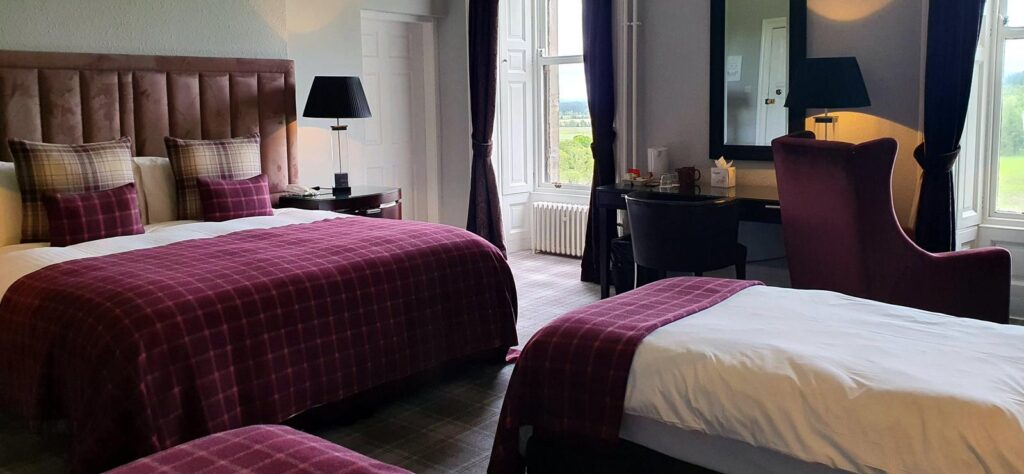
There are no televisions in the bedrooms, which some will see as a positive, but with very little else to occupy you in the evenings, this seems like an obvious oversight. Granted, there is a television room available for guests to use, with a single TV looking forlorn in the corner, but while that might have been something guests enjoyed in the 1970s, it’s an antiquated notion in 2022.
Your stay at Gartmore House is on a full board basis, with breakfast, lunch and a two-course dinner provided each day. Each day the food is freshly prepared, and well-cooked, with a variety of different dishes across the week from curry to roast lamb, but this is far from a foodie’s paradise. You won’t go hungry, but your tastebuds might just wonder who dialled down the flavour as, while it’s all tasty, there’s little in the way of depth or colour to the food.
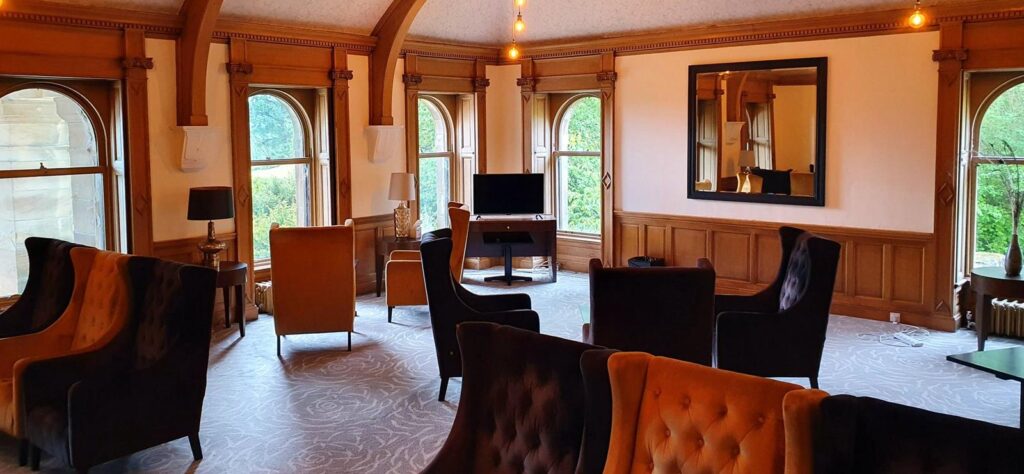
A lounge on the ground floor has some beautiful large windows which look out across the grounds towards Stirling Castle and Wallace Monument. It’s a room that should be bustling all the time, with residents mingling, exchanging stories or simply taking in the breathtaking views, but it needs a little more spark to make it feel warm and inviting. As a result, we found it was seldom used during our stay.
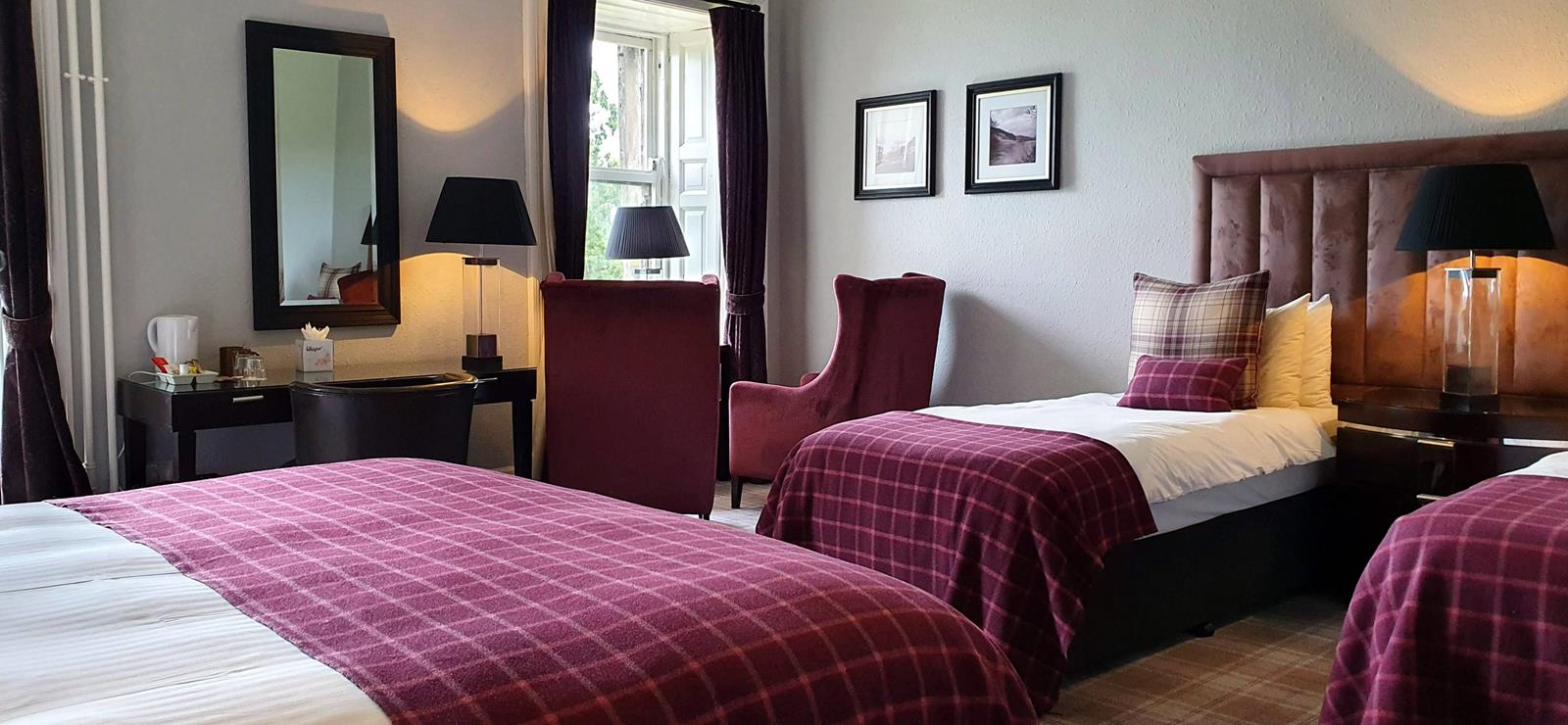
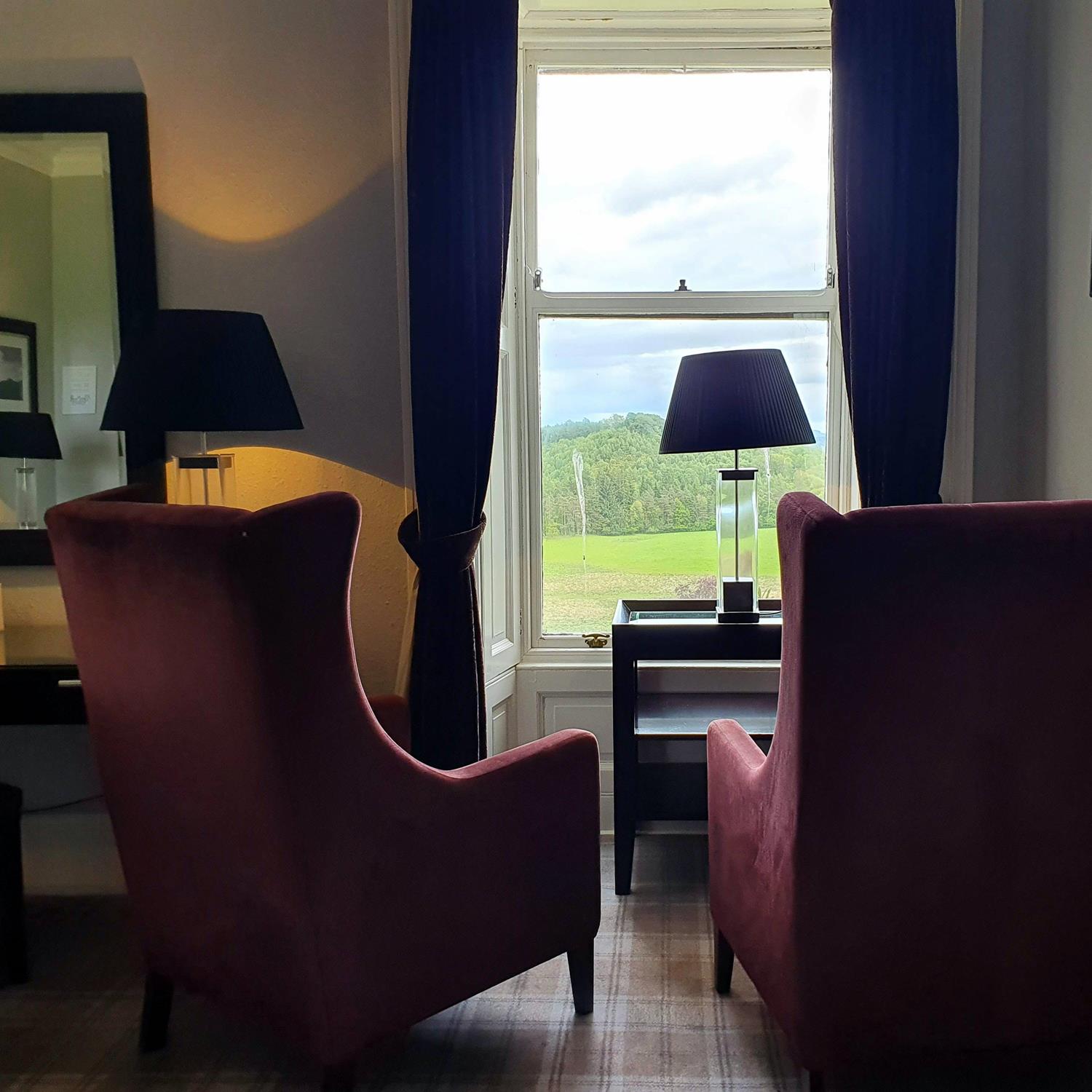
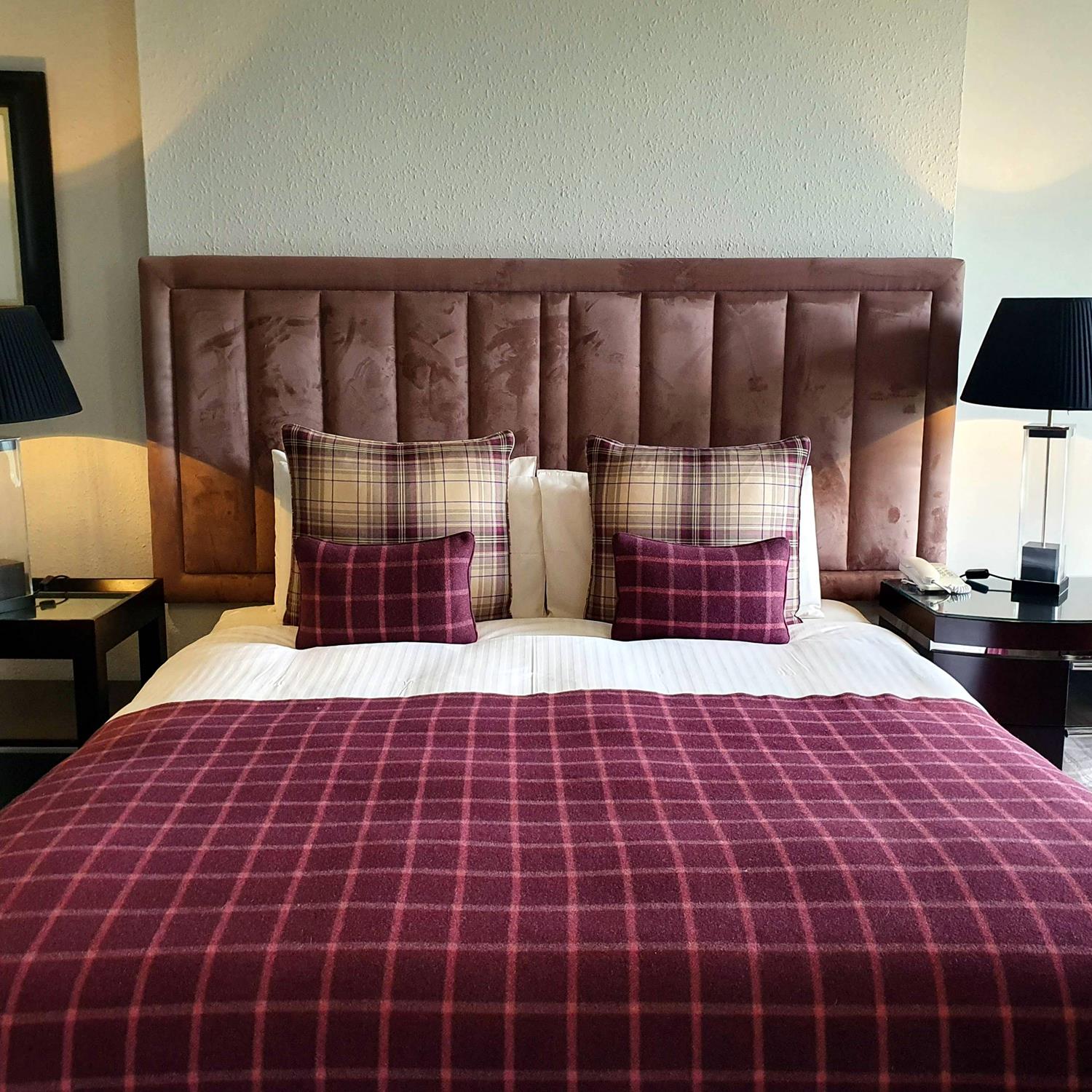
That’s highlighted by the main frustration with the stay; after about 8.30 in the evening the small bar area closed, and it was very difficult to get a drink unless you wanted a distinctly average coffee from the machine in reception. There is a telephone number you can call posted on the reception desk, but when the staff member answering the call asks “do you really want a drink, ma’am?” it does seem like hard work – something that you shouldn’t be experiencing when you’re on holiday.
The experience was anything but unique, with other guests speaking positively about the space and calm afforded to them, but bemoaning the dearth of facilities.
The fix is simple. The introduction of an Honesty Bar in the lounge would transform the ambience of the house. Yes, some people will take advantage, but our experience of similar setups around the world is that most people are mostly honest most of the time. It would reinvigorate the lounge, create a bustling atmosphere, and help to create lifetime memories and friendships.
Gartmore House: The Verdict
While this all creates the impression that our stay at Gartmore House wasn’t an enjoyable one, that’s not actually the case. There is a lot to love about the house and, for the most part, the staff – Kirsty, the front-of-house manager, stands out for specific praise, making sure every guest was as well looked after as possible.
There were very few areas that were restricted, other than those exclusively for the staff, and we were encouraged to explore, which we did – even to some of the areas we’re fairly sure we shouldn’t have found and ended up in rooms installed when the house was used as a borstal. It was a fascinating glimpse into the history of the house, both of its more glamorous and less salubrious days.
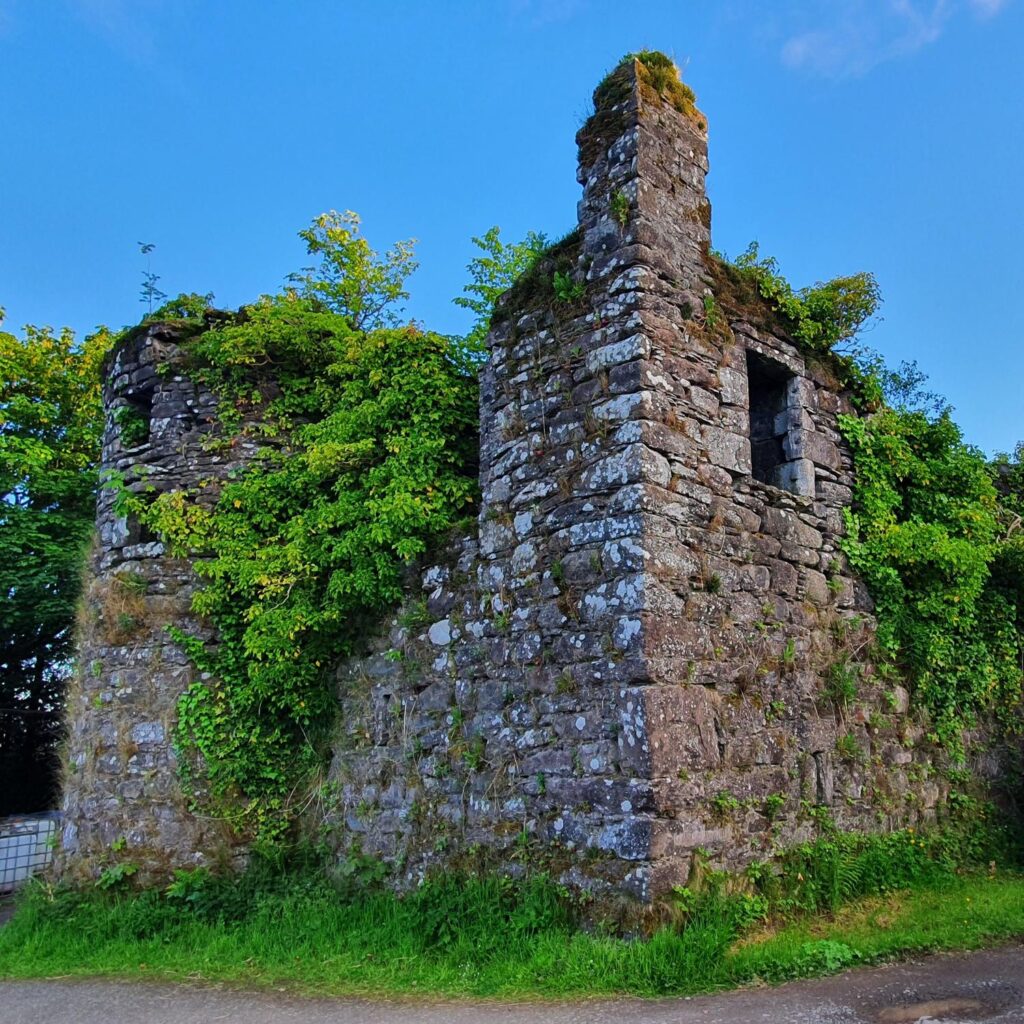
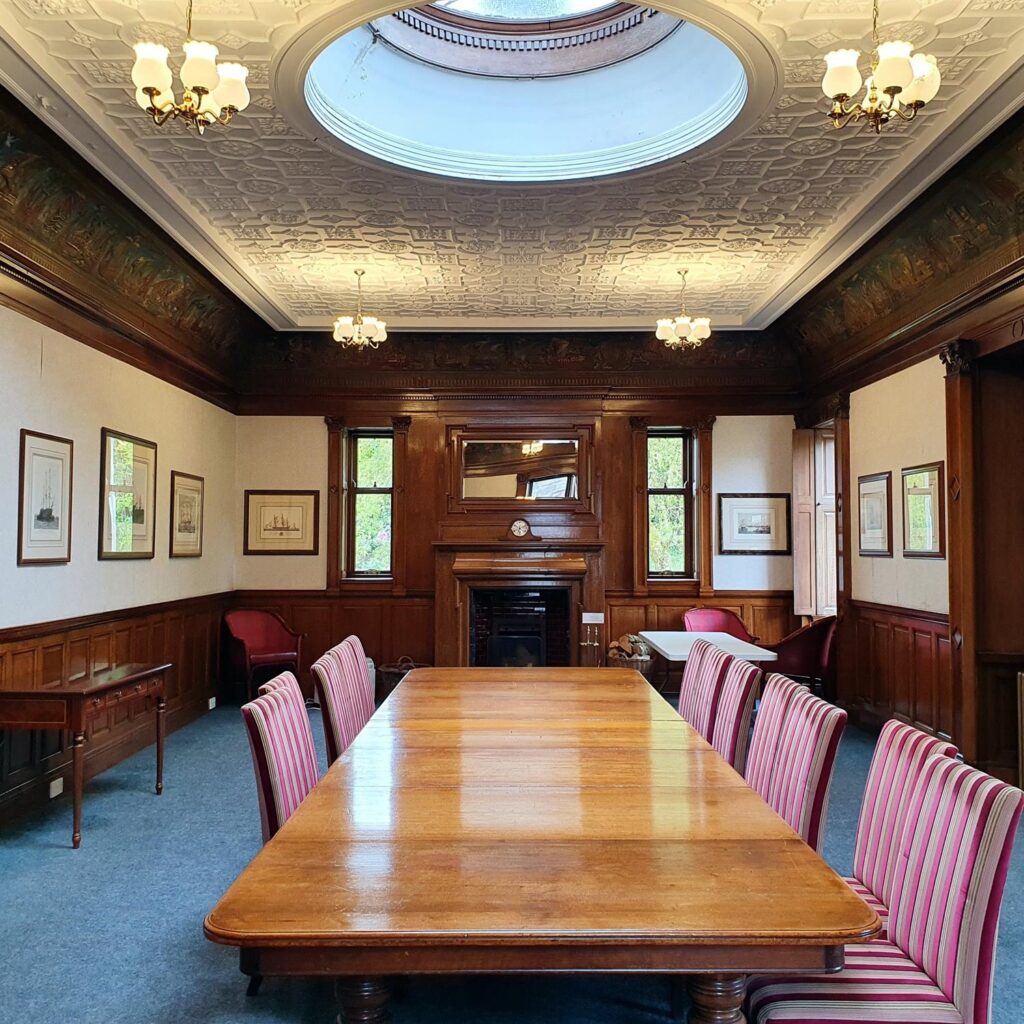
There are usually at least three arts and crafts courses running at a time, so there are usually plenty of guests in the house but during our visit, there were only nine of us in total – Covid still hasn’t fully released its grip, but business is returning, and it would be quite something to experience the bustle of the next week’s arrival of the West of Scotland Schools Orchestra group.
The result of all of this is that the courses at Gartmore House can, absolutely, be recommended, but there are caveats. There is undoubtedly work to be done at Gartmore House, but potential abounds. Come for the art, stay for the surroundings and revel in the history. That’s 90% of what you need, and the other 10% can be improvised.
What: Gartore House Art, Craft and Activity Holidays
How much: From £849.
Web: GartmoreHouse.com

- Driven: Rolls-Royce Ghost Series II — Luxury evolved - 6 May 2025
- Driven by vision: The Aston Martin Lagonda Series 2 revisited - 22 April 2025
- Ogio Introduces Limited-Edition Agave Ahora Golf Bag Collection - 25 May 2024