
To say that the world of investments and savings looks uncertain at present is something of an understatement, says Ruth Emery.
This article was published in September 2016.
Savers have been punished by interest rates of 0.5% for more than seven years and have been subject to an even further cut to an ‘it may as well be zero’ level of 0.25%.
Bond yields have plummeted, and Brexit has brought turmoil to the stock markets. Even buy-to-let investors have not escaped a string of attacks by former chancellor George Osborne, which have removed some of the shine from Britain’s property obsession.
Investors must cast their nets wider in their search for returns. So, what about alternative investments? From stamps and rare coins to fine wines and fast cars, they tend to be uncorrelated from mainstream investments, and experts say they are performing strongly and enjoying something of a revival.

Graham Rowan, chairman of Elite Investor Club , a global network of sophisticated and high net-worth investors in fifteen countries, said: “Investors are forced to look more widely for sensible returns, and this is generating a lot of interest in the alternative investment space.”
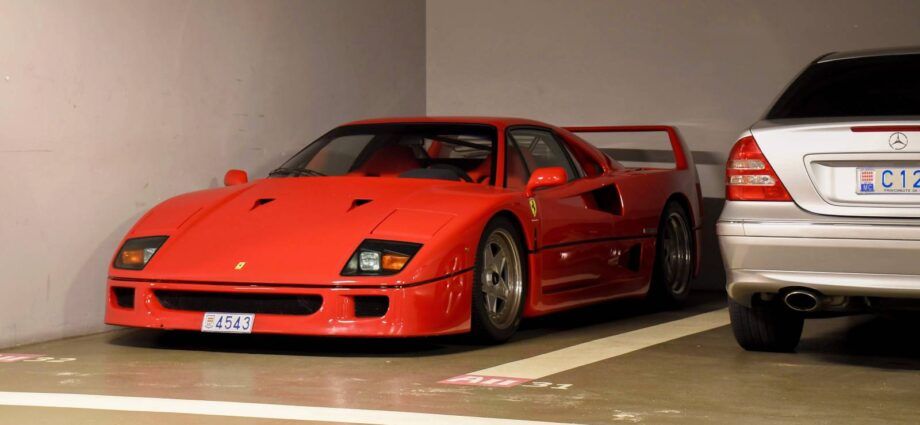
Last year classic cars zoomed ahead with the best returns: up 17% according to the property consultancy Knight Frank’s Luxury Investment Index. This was followed by rare coins, at 13%. Overall, the index, which tracks ten alternative investments, rose 7% in 2015, compared with a 5% drop in the FTSE 100.
The latest report on ‘passion investments’ from the private bank Coutts, released in August 2015, reveals a similar picture: classic cars were the top performers, motoring to a 40% gain back in 2014, while stamps and coins were the only assets to increase for nine consecutive years.
In the run-up to the EU referendum on June 23rd, stock markets faltered amid the tension and too-close-to-call polls. While the FTSE slipped 11% in the twelve months to June 1st, the Stanley Gibbons index of the top 250 British stamps rose 1.2% in the same period.
Keith Heddle, managing director of Stanley Gibbons Investments, said: “The hundreds of billions wiped off the value of global markets since the EU referendum is another stark reminder of the importance of holding uncorrelated assets. While it remains a niche area, there is a growing recognition that rare stamps, and other tangible heritage assets, create opportunities for portfolio diversification.”
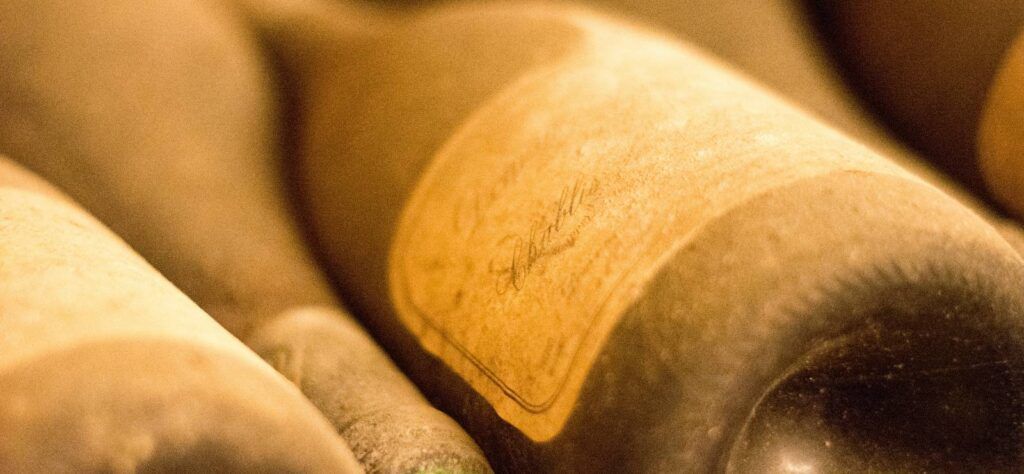
In June of this year, fine wines also performed well: the wine index Liv-ex increased 2.1% as investors flocked to buy wines as a defensive asset as soon as the Brexit result was announced, and sterling’s weakness also caused wine prices to surge.
As Mr Heddle mentioned, alternative assets can seem niche. But interest is growing, with global alternative investment managers seeing a 5% rise in money flowing in from gigantic pension funds last year. There are also high-profile investors who have been steadily building their portfolios: for example, Janet Yellen, chair of the Federal Reserve, owns an extensive stamp collection, which is valued at up to $50,000.
The Outlook
If the pound remains weak, it could boost alternative investments as sterling-based assets become cheaper for Asian and American buyers.
Chinese investors and significant forthcoming events could also help push up prices. Every decade a major stamp exhibition is held in London; the next one will occur in 2020. Mr Heddle says that, traditionally, British stamp values have risen as collectors buy to exhibit at the show. “I certainly saw this for London 2010,” he said.
Mr Heddle forecasts strong continued demand for Chinese rare stamps and coins for at least another five to ten years as Chinese collectors, investors, speculators and high net worth investors (and an increasingly affluent middle class) “continue to reclaim their heritage.”
He added: “I also anticipate the rare coin market staying strong and showing steady single-digit growth – interest is keen from the Middle East, Japan, the US and the UK – and coins are a global commodity with more than two millennia of history behind them.”
And what about classic cars? Alex Prindiville, the founder of London-based car brokerage Prindiville, cautions that they may not perform at the same high speed as the past few years but thinks the market will remain buoyant.

He says that Ferrari, Porsche and Aston Martin models tend to be a safe bet, and investors with £100,000 capital could see an annual appreciation of 3-5%, or even 7%, in a very good year.
“Investors are finding comfort from investing in tangible assets and, unlike art or wine, it’s much easier to authenticate a classic Ferrari or Porsche in terms of its authenticity,” says Mr Prindiville.
“Unlike diamonds, which are found on a regular basis, a classic Ferrari very rarely materialises out of thin air. Therefore their collectability and desirability make them an excellent and shrewd investment opportunity.”
Casting the Net Wider
There is no universally agreed definition of alternative investments. Some say it is simply an asset that is not bonds, stocks or cash. So the world could be your oyster (investing in an oyster farm, anyone?). In addition to the ‘passion’ assets like stamps, cars and jewellery, alternatives can include property, hedge funds, precious metals, and renewable energy investments.
The most popular investment for Elite Investor Club clients over the past three years has been suites in dementia care homes in northern England. Mr Rowan explains: “We acquire them on a 125-year lease and sign a lease-back to the care home operator in return for a rental income in the 8-10% range. There are multiple exit strategies, and with 2,000 baby boomers a day turning for the next eighteen years, it will be impossible to keep up with demand for these specialist care facilities.”
Investing in burial plots in London is also proving popular. “We can invest in an extension to an established London cemetery for £2,400 a plot and make a 40% capital gain in two years,” he claims.
Who Is Investing?
Elite clients tend to be men aged between 45 and 65. “We seem to resonate best with business owners and ambitious professionals who take a serious interest in their financial future,” said Mr Rowan. “They are willing to keep an open mind on asset classes that you won’t be told about by your bank or your high street financial adviser.”
He points out the right investment depends on your circumstances; for example, the burial plots are better for higher-rate taxpayers who want to use up their capital gains allowance, while the care homes work best for those with longer time horizons of ten years or more.
With stamps and coins, investors fall into two camps, according to Heddle. Risk-averse investors take a more defensive approach, while entrepreneurial individuals want a more innovative and interesting investment.
“It tends to be investors who have their key investment bases covered and are now looking for greater diversification; often when they are overexposed in one other investment area or sitting on too much cash,” he said.
And, of course, passion investments come with the added thrill of owning a beautiful, tangible asset.
“Very often, investors understand they are buying real items, history, heritage, heroes, markers in communication and socio-economic development, items that have both fuelled and felled dynasties. They enjoy the ‘romance’ of their investment, and some have even gone on to become collectors,” said Mr Heddle.
Mr Prindiville added: “Unless there is a global collapse, classic cars will be a safe bet. Remember, you can always enjoy them on high days and holidays, which you cannot do with money in the bank. The thrill of the open road and the smell of aged leather bring us all back to our childhood.”

- Driven: Rolls-Royce Ghost Series II — Luxury evolved - 6 May 2025
- Driven by vision: The Aston Martin Lagonda Series 2 revisited - 22 April 2025
- Ogio Introduces Limited-Edition Agave Ahora Golf Bag Collection - 25 May 2024