

Forget expensive gym memberships or faddy diets: the best way to ring in 2023 is with a New Year resolution to grow your money, says Ruth Emery.
This is not an article that will magically turn you into a successful investor like Warren Buffett while ensuring you don’t go bankrupt like Donald Trump, but there are lots of small changes you can make this year that will, I promise, save you money or make you money.
These resolutions aim to get your financial house in order. The result: a calmer, more contented and wealthier you. Happy new year!
Get Your Paperwork Sorted
The first thing to do is get on top of the admin. Put all your bank statements, energy bills, pensions paperwork, and so on together. Buy clear plastic wallets and store different categories in each, and keep them in a safe place. Shred what you don’t need — payslips dating from 2004? A leaflet from your bank about new credit card rules in 1999? They’re probably not necessary.
As you sort through this enormous pile, you may discover bank accounts you had completely forgotten about. There are an estimated 500,000 lost accounts with banks and building societies. If you find an empty current account, you do not think you will need in the future, close it. Better still, you may discover a dormant savings account or an old passbook. Ring the provider or go into a branch to find out how much money is in the account and the current interest rate.
There is also a staggering £1.1bn of unclaimed assets held with National Savings & Investments, such as Premium Bonds and savings accounts. Visit NS&I to check if you have any Premium Bond prizes.

Work Out Your Life Goals
OK, so you have your admin in order — well done! It would be best if you worked out what you are trying to achieve to get your head around the rest of your finances. Craig Palfrey, a financial planner at Penguin Wealth, said: “Are your finances properly lined up with your long-term goals? If they’re not, then spending time adjusting them in the New Year is possibly the most important change you can make.”
Define your life goals and create a financial plan around those. Want to retire at a particular time? Then build your plan to do so. If all this talk about financial plans and life goals seems overwhelming, pay a professional to help you with it. An appointment with a financial adviser can get you on the right track. Search for a local one at Unbiased, a directory of 24,000 UK-based IFAs, mortgage advisers, solicitors and accountants.
Review Your Investments and Pensions
The best way to invest in your life goals is through a combination of pensions and ISAs. They mix long-term and shorter-term investing and are very tax efficient. Patrick Connolly, a financial planner at Chase de Vere, said: “Review your existing investments to make sure they are performing as you expect and that you aren’t paying excessive charges.
“To ensure you don’t end up taking too much, or too little, risk, you should rebalance your portfolio. This involves selling some of your investments that have performed well and now represent a larger proportion of your portfolio and reinvesting into those that have performed poorly and are now a smaller amount of your portfolio. This will help to get you back to your starting position and make sure you aren’t taking too much risk.”
Rob Morgan, investment and pensions analyst at Charles Stanley Direct, added: “Costs such as annual management charges on investment products, platform fees and share dealing costs can all eat into your returns.”

Save Regularly
Set up a regular standing order to siphon some cash into a savings account as soon as you get paid each month. We all need a small cash buffer – aim for three months’ worth of salary – that’s easily accessible in case the boiler breaks down or your car fails its MOT. It’s not easy in this low-interest-rate world but look for the best interest rate you can, whether on a savings account or cash ISA. Remember that savings accounts are tax-free for most people, just like cash ISAs, due to the personal savings allowance. Basic-rate taxpayers can earn up to £1,000 a year in interest tax-free, and higher-rate taxpayers get £500. Unfortunately, additional-rate taxpayers – those earning above £150,000 a year – do not qualify for the allowance.
Saving into a workplace pension is also a fantastic idea as your money gets topped up with free cash from your boss and the government. Connolly said: “While retirement might seem like a long way off, the sooner you are saving regularly into a pension the easier it will be to achieve a comfortable standard of living when you do finally retire.”
Control Your Spending
Get smart with your shopping. Find your cheapest supermarket using a website like Trolley.co.uk to compare your food bills. Budgeting sounds boring, but shaving off £20 a week on your food shop adds up to more than £1,000 a year.
Andrew Hagger at the financial website Moneycomms.co.uk advises: “Write a meal plan for the whole week and use this as the basis of your shopping list. Visit your local supermarket just once each week with your list, and don’t deviate from it — ignore the 3 for 2 and BOGOF deals. This will soon become second nature, and you’ll get out of the habit of making multiple trips to the expensive corner shop and won’t throw hardly any food away.”

Rebalance Your Debt
The upshot of low interest rates is that cheap credit is easy to access, but you can save money by carefully monitoring your debts. Aim to ditch your overdraft in 2023. Hagger explains that someone overdrawn by £500 for 20 days each month with a bank like Halifax or Santander will pay around £120 a year in overdraft fees.
A cheap way to clear the overdraft is to take out a credit card with a lengthy 0% money transfer facility. This will enable you to switch funds from your card to your bank account to eliminate that overdraft for good. MoneySavingExpert is frequently updated with the best deals, which currently includes one from NatWest offering 33 months of zero interest, although there’s a 2.9% fee — that’s a one-off £145 fee for a £5,000 transfer.
Check Your Insurance
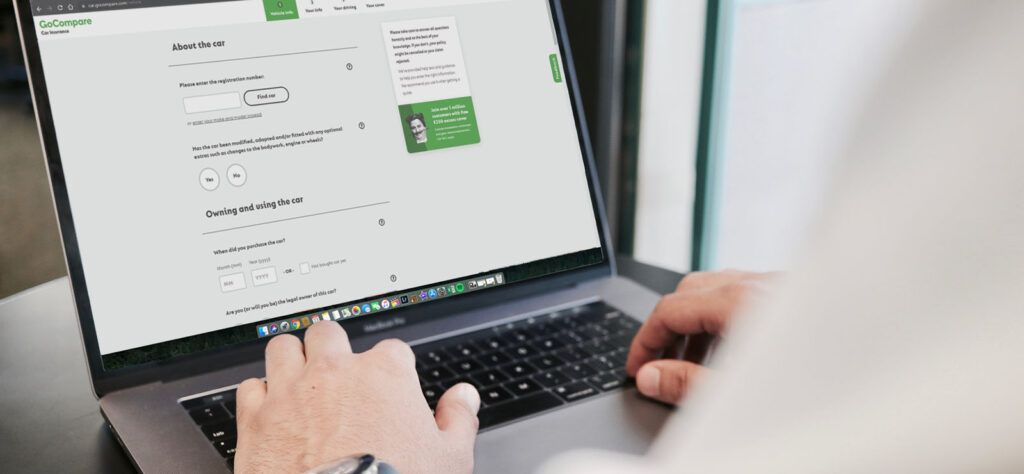
Never accept an insurance renewal quote without making a quick comparison online first. There is no reward for loyalty when it comes to things like car or home insurance. If you dig out your old letters showing what you paid previously, you will likely see that your premium has risen each year. If you have never switched before, you could easily save a three-figure sum by moving to a different insurer.
It’s quick and easy with comparison websites such as Confused.com, Go.compare and CompareTheMarket. These trawl through countless individual suppliers and bring you the best price, although beware: some big-name insurers aren’t included in their searches.
Do not forget about insurance to protect your family, such as if you become seriously ill, are made redundant or in the event of your death. As a starting point, find out if your employer offers any protection benefits. There is no point in paying for extra cover if it is already provided for you.
Grab Your Tax Reliefs
There’s nothing like getting free cash from the government. If everyone else is claiming theirs, you should too. The marriage allowance enables married couples and civil partners to transfer £1,260 of personal allowance this tax year from the lower-earning partner (who must be a non-taxpayer) to the higher earner (who must be a basic-rate taxpayer), saving them up to £252 in tax.
Savers can contribute up to £40,000 a year in a pension – although those on annual incomes of £150,000 or more will see this annual limit reduce on a sliding scale to £10,000. Money saved into a pension attracts 20% tax relief for basic-rate taxpayers, 40% for higher-rate and 45% for additional-rate.
Got a lodger? Earn up to £7,500 a year tax-free with the rent-a-room scheme. This allows you to let furnished accommodation without paying a penny in tax.
Do Your Tax Return Now!
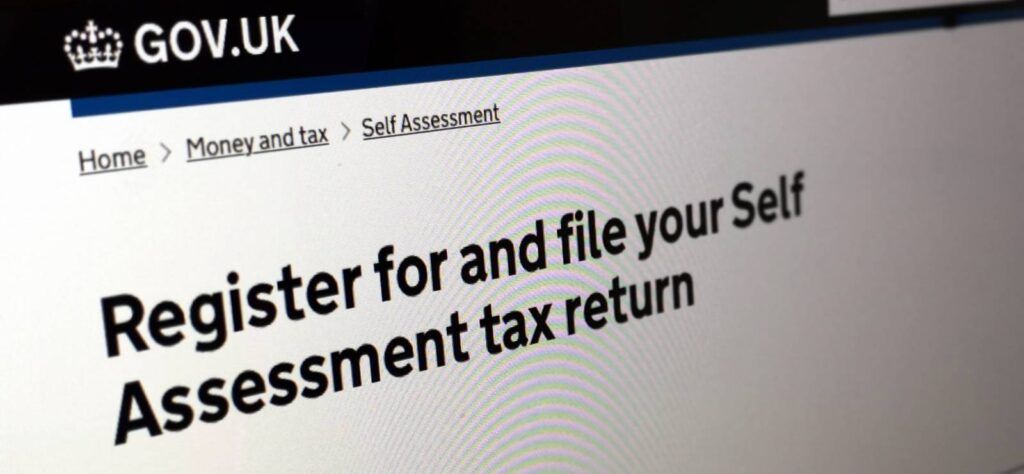
Midnight on January 31, 2023, is the deadline for filing your online self-assessment tax return. Thousands of people leave it until the last day to do theirs. The taxman slaps you with an automatic £100 fine if you file late, a penalty that quickly ratchets up the longer you leave it.
Why start the new year off with a last-minute panic in January? Turn over a new leaf for 2023, and get your papers in order now. Maybe you could start this resolution early and fill in your return this year. “Oh, I need to do my tax return” is a great excuse to avoid another turkey curry with relatives you’re not that fond of on December 31.
Switch Your Utilities
Typically, this would be right at the top, but 2023 won’t be as simple as it should be. With the global energy markets in a state of crisis and prices rising and falling like a rollercoaster, there’s currently no benefit to switching providers. Every rate is butted against the government’s price cap, so apart from some tiny details around the edges, you’ll be paying roughly the same amount regardless of which supplier you’re with.
However, when (if?) prices drop below the price cap limit at some point in 2023, you’ll be able to save by switching your electricity or gas supplier. About two-thirds of energy customers are on a “standard tariff”. Much like a standard variable rate mortgage, this is the deal a customer is moved to at the end of a fixed or variable tariff, and it tends to be the energy supplier’s most expensive package.
Once some semblance of normality has returned to the energy market, ensure you aren’t languishing on one of these. According to the price comparison website uSwitch, customers can save £600 or £700 a year by transferring their gas and electricity to the best deal. Comparison websites make it easy to switch; you usually need to give the name of your current provider, annual usage, and address. It can manage the switch for you, or you can do it yourself. It should take no more than five weeks.

- Driven: Rolls-Royce Ghost Series II — Luxury evolved - 6 May 2025
- Driven by vision: The Aston Martin Lagonda Series 2 revisited - 22 April 2025
- Ogio Introduces Limited-Edition Agave Ahora Golf Bag Collection - 25 May 2024