
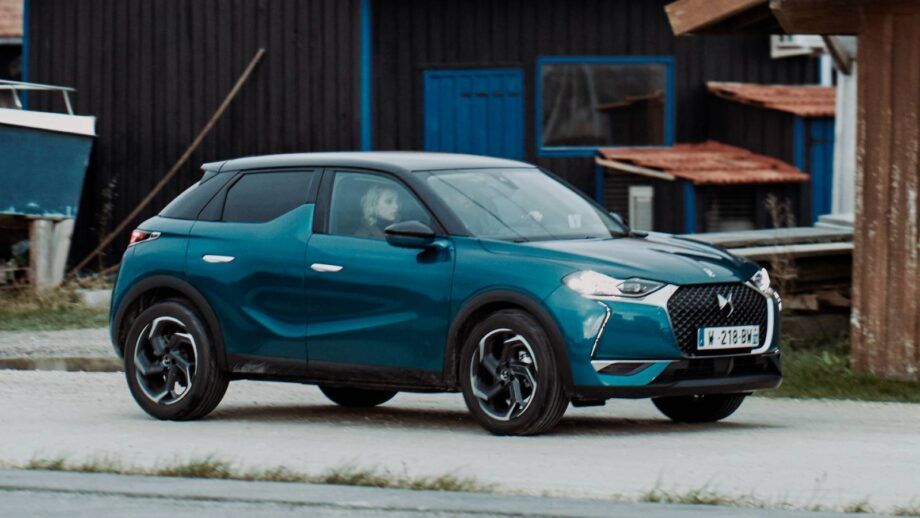
The DS brand, a luxury badge attached to Citroen cars that’s been spun out to be a marque in its own right, initially struggled to make an impression on UK buyers. The DS 3 was a well-liked but ageing hatchback, and the DS 4 was an unloved Ford Focus rival that missed the mark by some margin, while the DS 5 was a luxury model that failed to live up to luxury expectations.
Now, DS is dropping the Citroen hand-me-downs and going its own way. The DS 7 Crossback SUV has been well received, and this DS 3 Crossback brings the same sense of style and distinctiveness to a smaller, more affordable model.

It’s got the Audi Q2 and Mini Countryman in its sights, both capable models from long-established brands, so the French firm is trying to raise the bar with a plush, fully-loaded La Première launch edition. Once they’re gone, a range of three luxury models and one apparently sporting version will have to suffice, powered by petrol engines producing between 100 and 155hp, and a single 100hp diesel option. A pure-electric model arrives later in the year, too.
I’m in the sporty model, inexplicably capitalised as PERFORMANCE Line. There’s a 1.2-litre three-cylinder petrol engine under the clamshell bonnet of the DS 3, producing a handy 155hp, which is enough to propel the car from a standstill to 62mph in 8.2 seconds. That’s not exactly hot-hatch territory, but there’s enough grunt to keep up with all but the most enthusiastic of traffic.
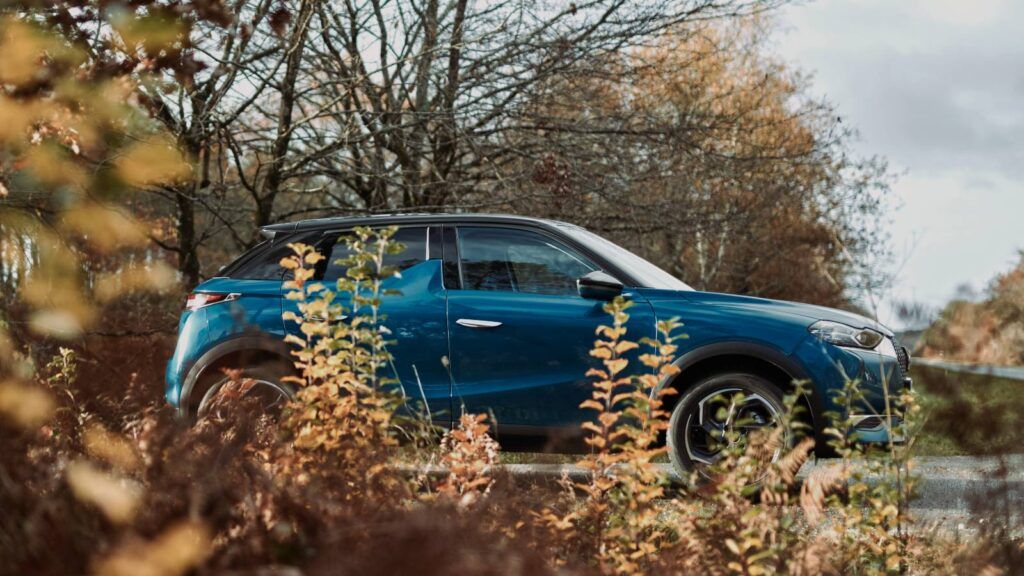
The Crossback name hints that outright handling prowess probably wasn’t high on the list of priorities at the chassis design meetings, so the DS 3 sits in a bit of a no-man’s-land where it’s quite agile and quite comfortable but doesn’t excel at either. You could argue that’s a positive outcome, as erring towards one extreme or the other would alienate a significant chunk of buyers. While DS has tried to be all things to all people, it ends up feeling a little anonymous to drive.
Hurtling through country lanes is not necessarily the domain of a small SUV, but should you be in a hurry, there’s plenty of grip available with no worrying handling traits. It’s softly sprung, which leads to a bit of extra body roll, but that pays off in urban environments, where the DS 3 Crossback feels most at home. Diminutive dimensions and lightweight controls make it a cinch to manoeuvre, but while it soaks up most imperfections well enough, some sharper-edged potholes will crash their way through to the cabin.
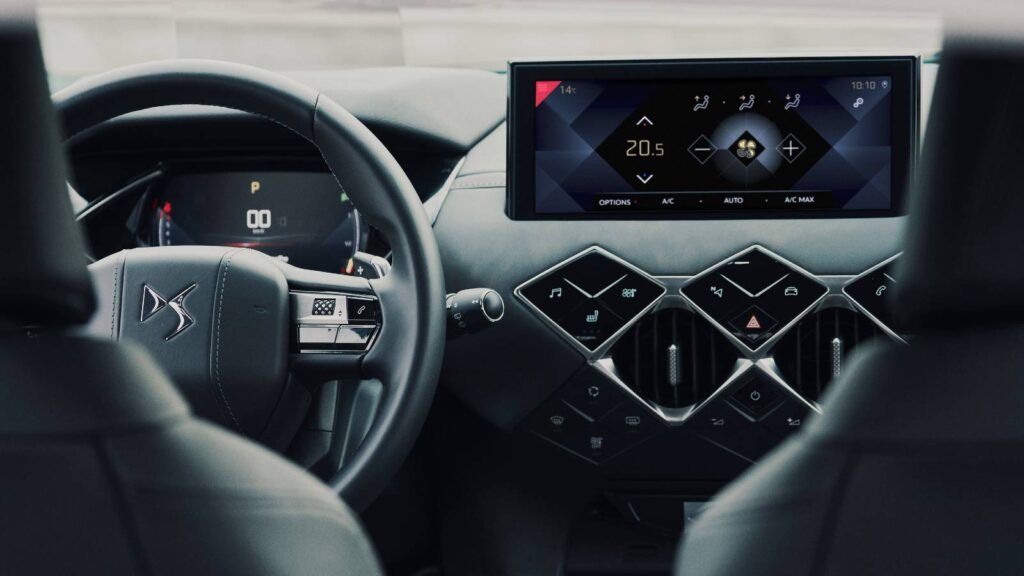
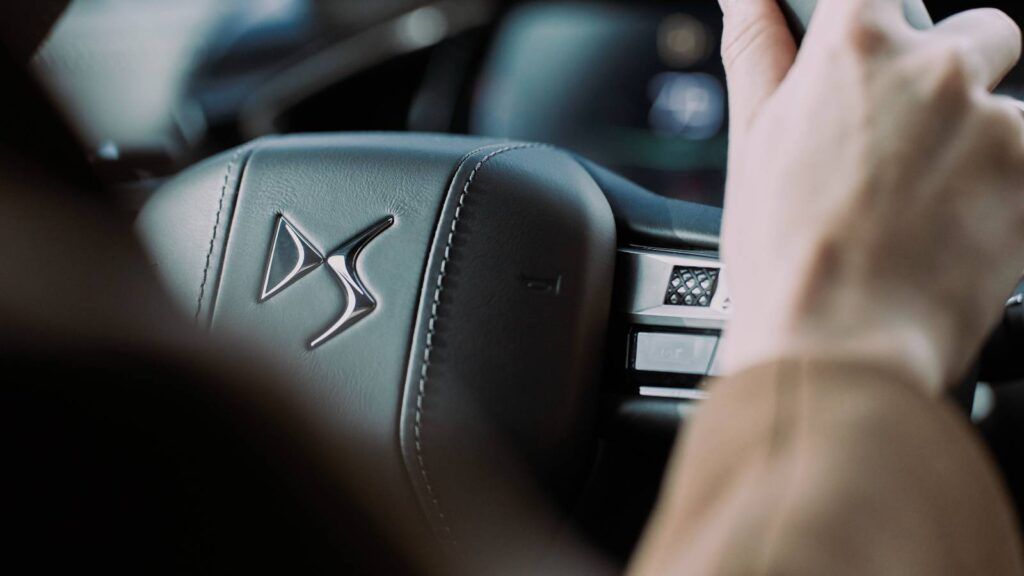
Nobody will sit in a DS 3 and think the cabin is bland. Once they’ve got past a surprisingly high sill, it’s a bounty of shapes, surfaces and materials that makes the Crossback stand out from literally every other car on sale. A diamond theme runs through every element, from a bank of buttons across the centre stack to tiny knurled details on the steering wheel buttons. Surfaces are covered in an Alcantara material that leaves everything feeling magnificent, but step back, and you’ll see that it’s all actually rather conventional. That said, mixing push buttons with touch-sensitive panels leads to the occasional accidental activation.
Above all of this style sits an infotainment touchscreen that, despite the obvious diamond theme, shares its inner workings with every other Citroen and Peugeot. It’s usable but has some frustrating quirks in the user interface. That’s matched by digital instruments that look great, but you can’t help but wish for at least the option of a traditional set of dials. There’s also no navigation system on the Performance Line model, but pleasingly, both Android Auto and Apple CarPlay are fitted as standard, allowing for smartphone mirroring.
Being design-led, it’s not the world’s most practical SUV, especially as it’s barely any bigger than a Ford Fiesta. Still, the front of the cabin is spacious enough to keep anybody happy; those wide and tall sills sit below doors that seem to be set far away from the seats, adding significant elbow room. It’s pretty good in the back, too, with enough space for a couple of adults to get comfortable. Even leg and headroom are sufficient, but it’s definitely best when limited to just two passengers. It does get a bit dark in the cabin, though, especially as that distinctive and stylish ‘shark fin’ eats into valuable window space. There’s less to say about the boot, which is surprisingly small, with just 350 litres of luggage capacity – that’s less than you’ll find in the back of a Volkswagen Polo but slightly more than in a Fiesta.
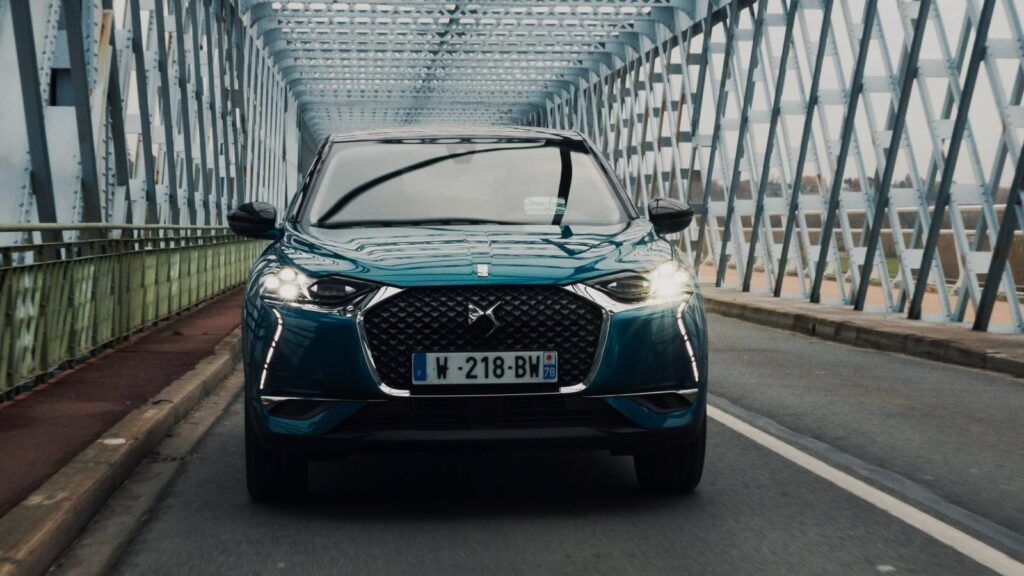
That sums up the car in many ways. It sits in the middle of things, unsure whether it’s a luxury SUV, a sporty hatchback, a sensible family car or an overt design demonstration. It succeeds in many areas but never excels in any. It’s close enough to the mark that if it’s exactly what you’re after, then it’ll be absolutely fine. For everybody else, the sheer number of rivals (with a new Nissan Juke and Renault Captur coming) means there are better options out there.
